Between the Lines of Leadership · A Headhunter's Picks (10)
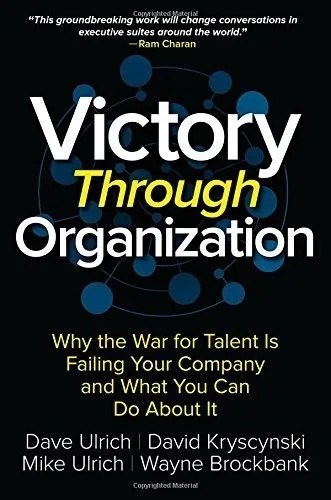
"Victory Through Organization: Why the War for Talent is Failing Your Company and What You Can Do About It" by Dave Ulrich https://a.co/d/3ZzsNsi
Continuing with the reads that opened up a new way for me to look at how you run human resources, this one by Dave Ulrich / David Kryscynski and a few others is a standout.
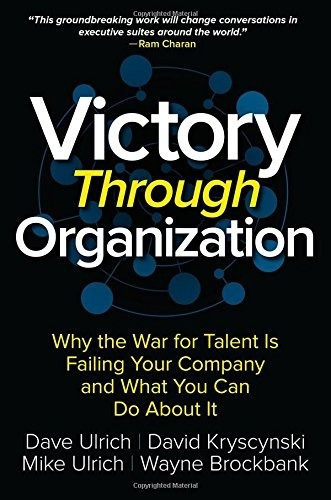
It's a book that makes a strong case for the organization mattering more than individual talent. That's a big shift in how companies should think about success and competitiveness in today's market. Here are some of the book's key takeaways:
- Organization wins over individual talent: Ulrich argues that, while individual talent matters, real success comes from the organization's ability to bring those talents together and align them toward shared goals. The core idea is simple: a well-organized, aligned team will always beat a bunch of talented but uncoordinated individuals.
- The role of the HR department: He stresses that HR shouldn't just focus on managing talent, it should build the systems, processes and culture that drive collaboration and organizational performance. HR has to be a strategic partner that contributes directly to the company's success.
- Organizational capabilities as a competitive advantage: Organizational capabilities, like agility, learning capacity and innovation, are framed as the critical factors that let companies adapt and thrive in markets that never stop changing. These capabilities are more durable and more transferable than individual talent.
- Leadership and organizational culture: He argues that culture and leadership style have to line up with the company's strategic goals. Leaders play a crucial role in shaping culture and creating an environment that fuels collaboration, innovation and commitment to the organization's vision.
- Investing in technology and data analytics: Technology and data analytics matter because they help you better understand organizational performance and employee wellbeing. A company's ability to gather and use data effectively can be a real differentiator in the market.
- Developing talent and leadership: Even though the main focus is on the organization, the book also recognizes how important it is to keep developing talent and leadership inside the company. You have to invest in people so they can contribute effectively to the organization's goals.
- Adaptability and organizational change: Ulrich stresses that organizations need to be able to adapt and change fast in response to market conditions and emerging opportunities. That takes a culture that values flexibility, continuous learning and the ability to pivot when needed.
"Victory Through Organization" gives you a complete, practical view of how organizations can be structured and run to achieve lasting success. It highlights the shift from prizing individual talent to building a strong, cohesive organization where the whole is greater than the sum of its parts.
Digging deeper into the competencies the author lays out, we could frame it this way
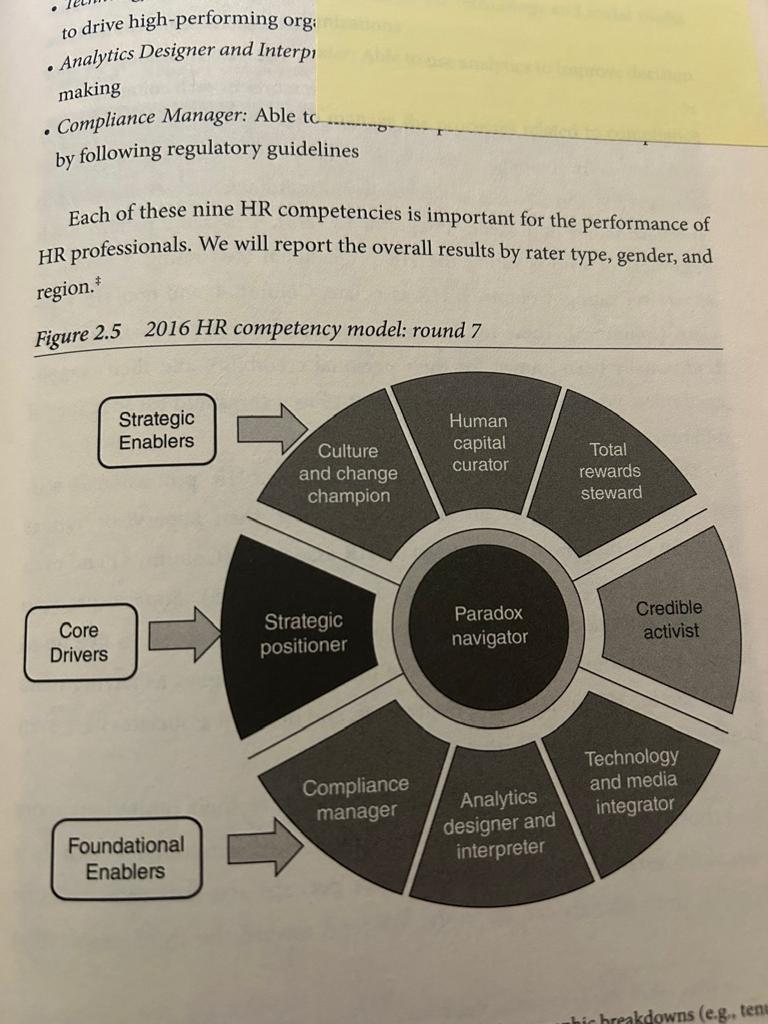
- Strategic Positioner: Deeply understanding the internal and external factors that shape the business, including the market, the industry, financial processes and growth strategies. That lets HR professionals contribute to strategic planning and align HR initiatives with business goals.
- HR Expert: Having deep knowledge of HR principles and practices, including recruiting, development, compensation, benefits and retention. It also means staying on top of current and future trends in HR so you can put the best practices in place to drive organizational success.
- Change Champion: Being able to manage and lead change inside the organization, making the move from the current state to the desired one easier. That includes handling resistance to change, communicating the vision behind it clearly and getting employees on board with new initiatives.
- Employee Advocate: Understanding and standing up for employees' needs and concerns, working to create a positive, supportive workplace. That means actively listening and responding to what employees raise, and championing their development and wellbeing.
- HR Leader: Inspiring and guiding other HR professionals, pushing a vision that raises the role of HR within the organization. That includes being a role model in professional ethics, building competencies and strategic leadership.
- Technology Enabler: Leveraging technology to make HR functions more efficient and effective. That means keeping up with new tech and digital tools that can improve HR processes, like human resource information systems (HRIS), online learning platforms and data analytics solutions.
- HR Data Analyst: Being able to gather, analyze and interpret HR-related data to make evidence-based decisions. That includes knowing how to measure the impact of HR initiatives on business performance and using data to inform talent and organizational development strategies.
These competencies reflect how the HR field is evolving toward a more strategic role inside organizations, putting the emphasis on aligning HR practices with business strategy, leading change, fostering a positive culture and leveraging technology and data to make informed decisions.
So what is the "Paradox Navigator"?
The "Paradox Navigator" is one of the competencies Dave Ulrich identified in his work on the future of human resources (HR). This competency is about an HR professional's ability to manage and navigate the paradoxes and contradictions that show up inside organizations. In the context of HR and organizational management, a paradox refers to two or more elements that, while they seem contradictory or mutually exclusive, can actually be complementary and coexist in a way that helps the organization succeed.
The "Paradox Navigator" concept highlights how important it is to balance often-conflicting interests and handle situations where there are no clear or simple answers. Instead of picking one solution over another, the "Paradox Navigator" looks to integrate different perspectives and find a path that gets the best out of each. That might mean balancing the need for organizational change with stability, driving innovation while keeping day-to-day operations running smoothly, or managing the expectations of various stakeholders whose interests sometimes clash.
Here are a few keys to how HR professionals can act as "Paradox Navigators":
- Recognize the paradoxes: Spot the situations where inherent tensions exist, and accept that they don't necessarily get resolved by picking one side over the other, but through integration and balance.
- Foster dialogue: Create spaces where people across the organization can voice differing perspectives, and explore how those can be seen as complementary rather than contradictory.
- Build agility and flexibility: Be ready to adapt and change direction when needed, while keeping the organization's long-term goals in focus.
- Promote a learning culture: Encourage employees and leaders to learn from experience and to see failures as opportunities for growth and innovation.
- Balance the short and the long term: Navigate the day-to-day demands while keeping the organization's long-term vision in view, looking for solutions that not only fix immediate problems but also contribute to future goals.
The "Paradox Navigator" competency reflects a deep understanding of how complex and dynamic the modern business world is, where HR professionals have to operate effectively amid uncertainty and ambiguity, leading their organizations toward lasting success.
This talk where Dave Ulrich took part is well worth a watch as an extra to the book we've covered today.