
Between the Lines of Leadership · A Headhunter's Picks (9)
"The Employee Experience Advantage" by Jacob Morgan https://amzn.eu/d/7SHyI1N
Around the midpoint of my Valencia years (2018 or so) I got lucky and stumbled across this great book, which clearly earns a spot among my classics.
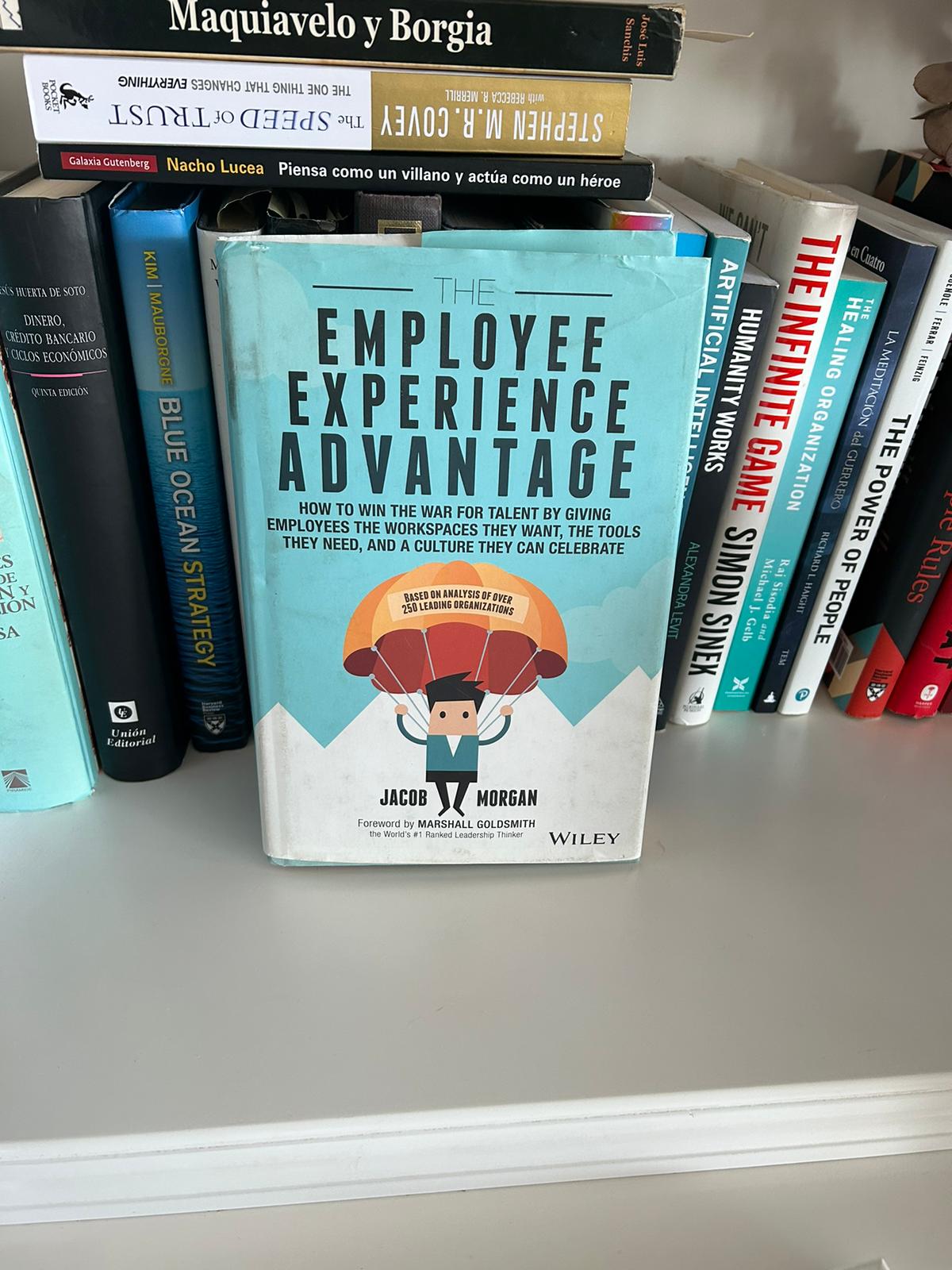
My shelf of classics for cultivating talent ;)
Jacob Morgan's "The Employee Experience Advantage" is all about how organizations can attract and keep talent, lift employee satisfaction and, ultimately, drive business success through an exceptional employee experience. Morgan argues that the employee experience is a make-or-break factor for business success in the modern world, and he lays out how companies can build a positive work culture and an environment that fuels innovation and productivity.
The book turns on 3 pillars, which then get unpacked one by one.
- Physical Environment
- Technological Environment
- Cultural Environment
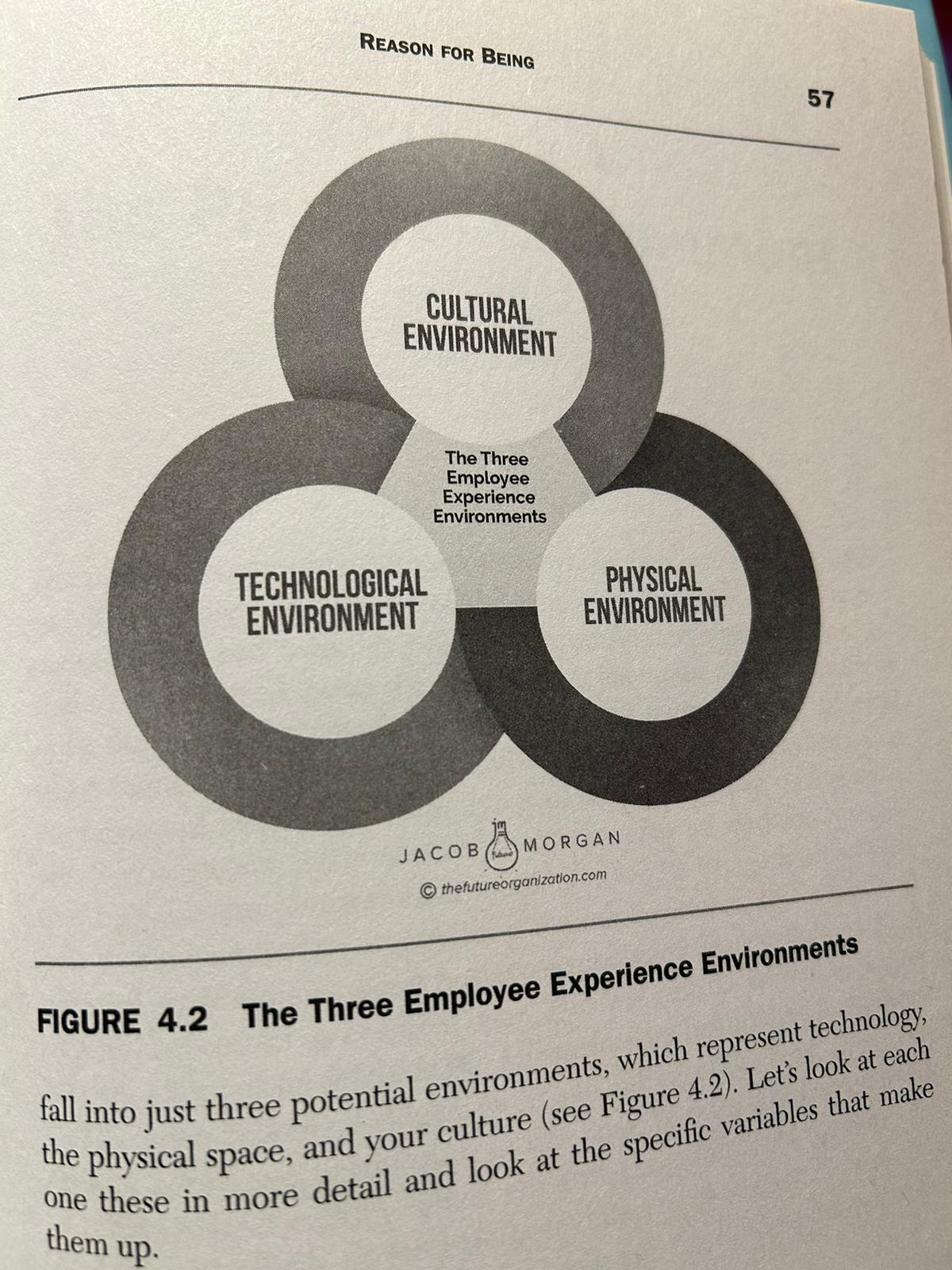
The Employee Experience Advantage, page 57
Here are the book's key takeaways, following the pillars above:
- Defining the Employee Experience: Morgan defines the employee experience as the sum of every interaction an employee has with their employer, from recruitment all the way to the end of their tenure. That experience is shaped by three environments: cultural, technological and physical.
- Why the Cultural Environment Matters: A company's cultural environment, which includes its values, practices and organizational behavior, plays a crucial role in the employee experience. A positive, supportive culture can lift employee satisfaction and productivity in a big way.
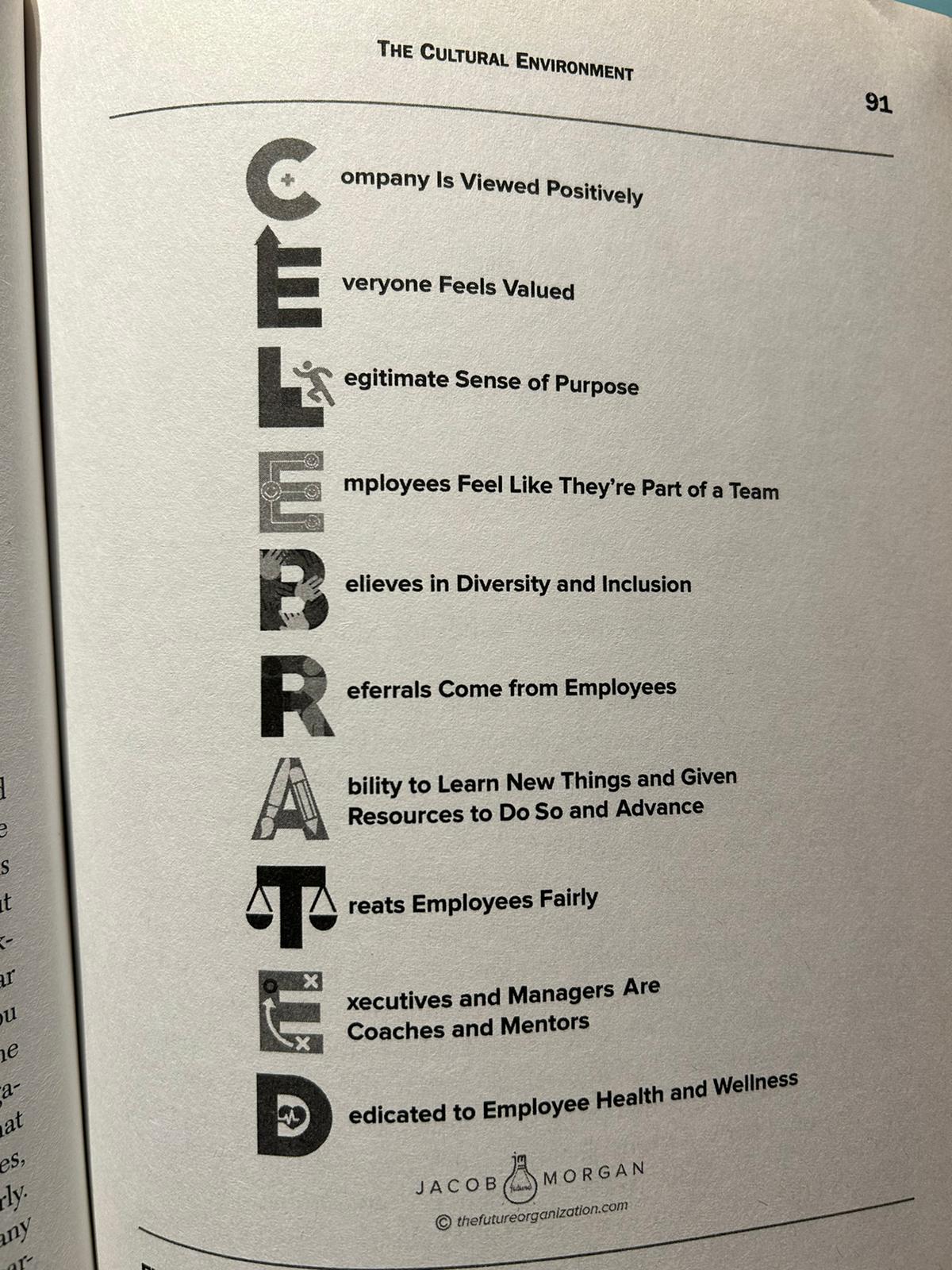
The Employee Experience Advantage, page 91
- The Impact of the Technological Environment: The technology employees use day to day should make their jobs easier, not be a source of frustration. Modern tools and platforms can boost collaboration, communication and efficiency.
- The Importance of Physical Space: The design and setup of the physical workspace can have a real impact on employee wellbeing and productivity. Spaces that encourage collaboration, offer privacy when it's needed and are pleasant to be in all contribute to a better employee experience.
- Investing in the Employee Experience: Morgan argues that organizations that invest in the employee experience see significant returns in the form of higher engagement, retention, customer satisfaction and, ultimately, profitability.
- The Role of Leadership: Effective leadership is essential for fostering a positive employee experience. Leaders have to be champions of the organizational culture, advocate for the right technology, and build a work environment that supports their people's needs.
- Measurement and Analysis: To improve the employee experience, organizations need to measure employee engagement and satisfaction regularly through surveys and other feedback methods. Analyzing that data helps spot areas to improve and adjust strategies accordingly.
- Case Studies and Examples: Throughout the book, Morgan gives real-world examples of companies that have gained a serious competitive edge by investing in the employee experience. These cases show how the theories and strategies he discusses actually play out in practice.
A standout case worth talking about is how he breaks down Airbnb.
Airbnb, the home-sharing platform, is highlighted by Morgan as a leader in building an outstanding employee experience. The company doesn't just focus on giving its people an attractive, functional physical space, it also cultivates a rich, empowering cultural environment and offers cutting-edge tech to make the daily work easier. Here's how Airbnb tackles each of the three environments Morgan describes:
- Cultural Environment: Airbnb has built a strong corporate culture rooted in values like belonging, community and adventure. The company stresses how important it is for employees to feel valued and part of something bigger than themselves. To nurture that sense of community and belonging, Airbnb offers shared experiences, like retreats and team-building activities, that reinforce its corporate culture and brand values.
- Technological Environment: Airbnb gives its people modern, efficient tech tools that make collaboration and communication easier, both internally and with the hosts and guests on its platform. The company makes sure its technology genuinely supports creative, collaborative work, letting teams work together seamlessly no matter where they are.
- Physical Space: Airbnb's San Francisco headquarters is famous for its inspiring, functional design. Every meeting room is designed to replicate one of the most unique listings on the platform from around the world, creating a stimulating, creative work environment. On top of that, the spaces are built to encourage collaboration and interaction between employees, with common areas that promote socializing and the exchange of ideas.
Airbnb shows how a thoughtful investment in the employee experience can translate not just into higher employee satisfaction and engagement, but into stronger business performance too. The company has racked up plenty of awards and recognition for its workplace culture, and it's regularly cited as one of the best places to work. Airbnb's approach to the employee experience is a clear example of how the three dimensions (cultural, technological and physical) work together to create an environment where employees aren't just happy and engaged, they're also highly productive.
Finally, it's worth noting how Morgan moves away from the traditional talent cycle and puts real weight on "Moments that matter".
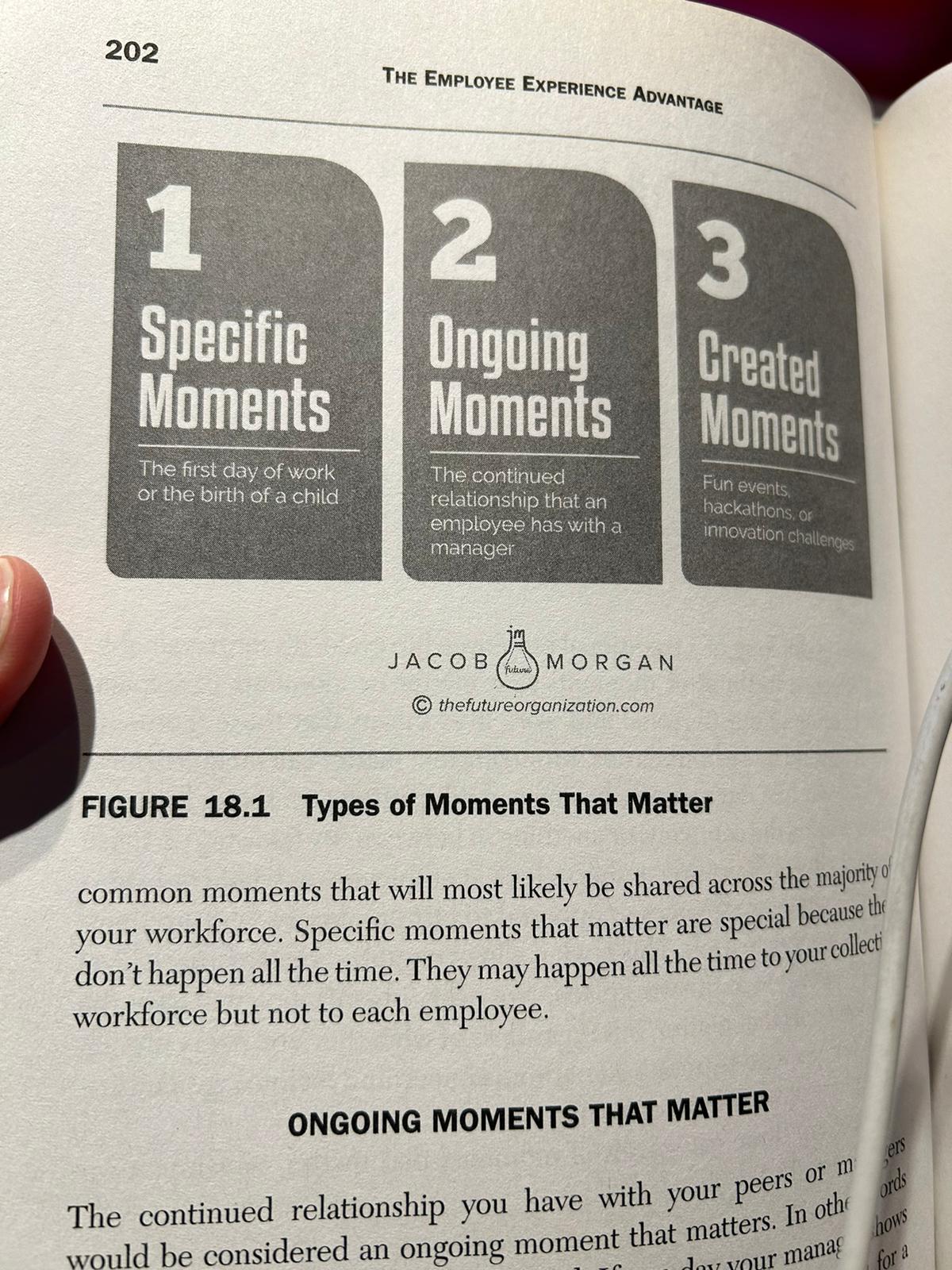
The Employee Experience Advantage. Page 202
Jacob Morgan uses "moments that matter" to describe those turning points or meaningful experiences in an employee's journey within an organization that have a deep impact on how they see and feel about their employer. These moments are crucial because they can decisively shape an employee's engagement, satisfaction and loyalty toward the company. Morgan argues that organizations that identify, understand and optimize these critical moments can dramatically improve the overall employee experience.
Examples of "Moments That Matter"
- The Onboarding Process: An employee's first day is a critical moment that can set the tone for their whole experience at the company. A well-structured, welcoming onboarding process can make new hires feel valued and part of the team right from the start.
- Recognizing Achievements: Recognizing an employee's achievements and contributions reinforces their value to the organization and drives greater commitment and motivation.
- Development Opportunities: Opportunities for professional and personal development are key moments that show employees the company is investing in their growth and has plans for their future within the organization.
- Constructive Feedback: Feedback sessions, when handled well, are important opportunities for development and improvement. Constructive feedback can push employees to grow and make them feel supported in their efforts.
- Career Transitions: Transition moments, like promotions, transfers or even leaving the company, matter and need to be handled with care to ensure a positive experience that reflects well on the organization.
Morgan suggests companies should map the employee journey and identify these critical moments, designing strategies to maximize their positive impact. The idea is that by focusing on the moments that really matter to employees, organizations can build a more engaging, satisfying and rewarding experience that not only attracts top talent but keeps it for the long haul.
There are several videos out there (including his own channel) where you can get a first taste of how he thinks about cultivating talent. I like this one for how direct and clear he is.
So what's the final takeaway we can pull from this great read and everything Jacob Morgan puts out:
Learn how to win the war for talent by optimizing the physical, technological and cultural environments to improve the employee experience.