Between the Lines of Leadership · A Headhunter's Picks (61)
****
A few weeks ago we were in an internal session looking at how we want to keep leading as the project grows.
Nothing too solemn. A group of people around a table, going through ideas, models, examples from other companies. The kind of conversation where, if you're honest, you're never quite sure whether it'll end up in something genuinely useful or just stay theory.
At one point someone said something that caught my attention:
—The problem isn't finding talent. The problem is what happens to it once it's inside the organization.
A short silence.
Because we all knew there was some truth in that.
Companies pour an enormous amount of energy into attracting talent. But surprisingly little into asking what kind of leadership that talent is going to run into once it arrives.
And that difference changes everything.
During that session, three modern leadership books came up that, even though they're born in different contexts, end up pointing to the same idea.
One is about multiplying intelligence across teams. Another about telling the truth without destroying trust. And the third about how to design environments where people actually want to commit.
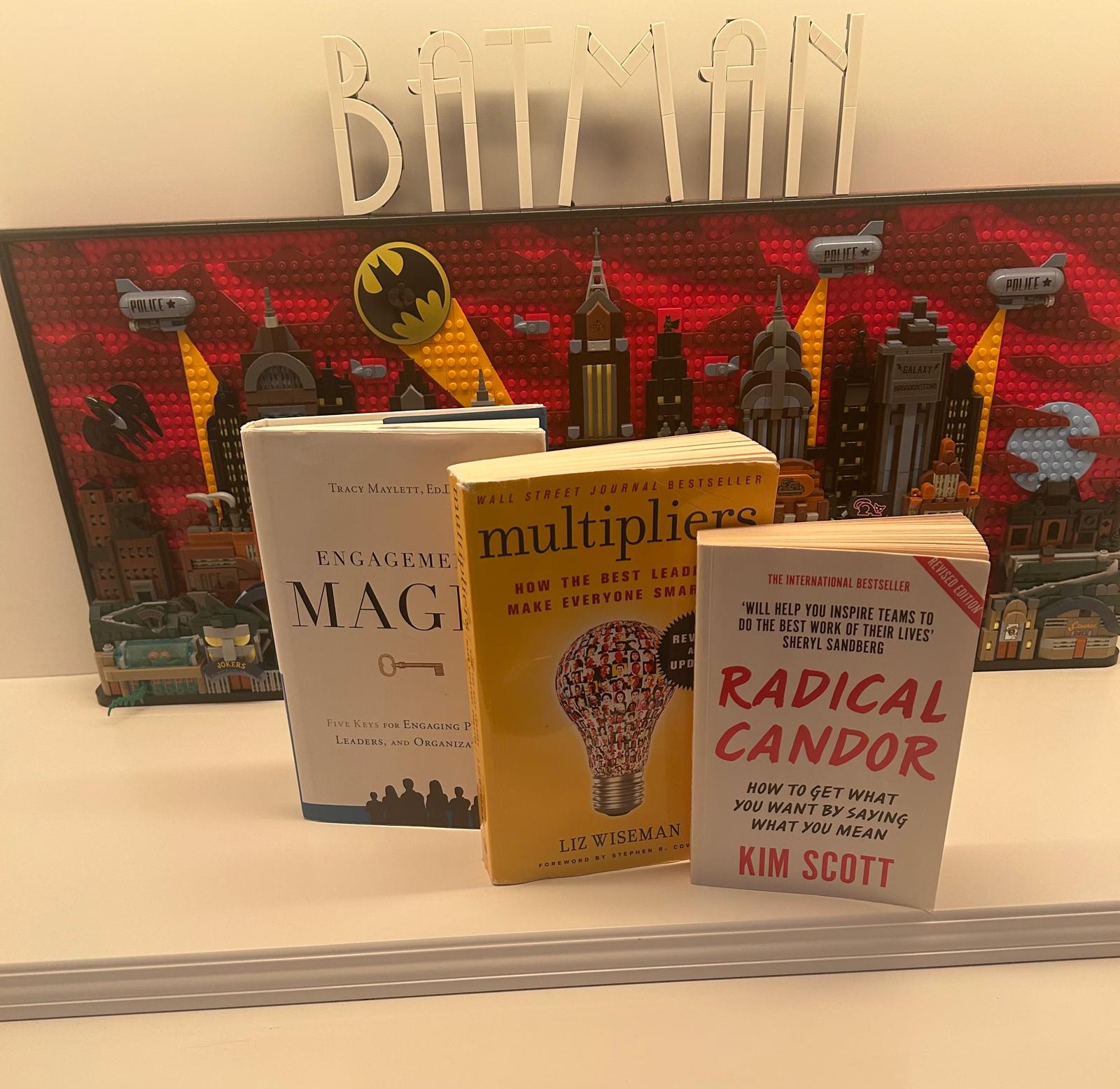
Three different approaches.
But one and the same conclusion:
Modern leadership isn't about directing people. It's about unlocking their potential.
And funnily enough, that unlock almost always comes down to three very concrete things: the leader's mindset, the quality of communication, and the environment the team works in.
We've already covered these books (Multipliers aside) in other newsletters, but I think combining them is really powerful, because the payoff is clearly exponential.
The first mistake in leadership: wanting to be the smartest person in the room
One of the most uncomfortable findings in Multipliers is that a lot of leaders shrink collective intelligence without even realizing it.
They don't do it out of arrogance.
They do it out of habit.
They jump in too much. They weigh in too fast. They solve things before anyone else gets a chance to think.
And the result is quiet but clear: the team stops exploring and starts waiting for instructions.
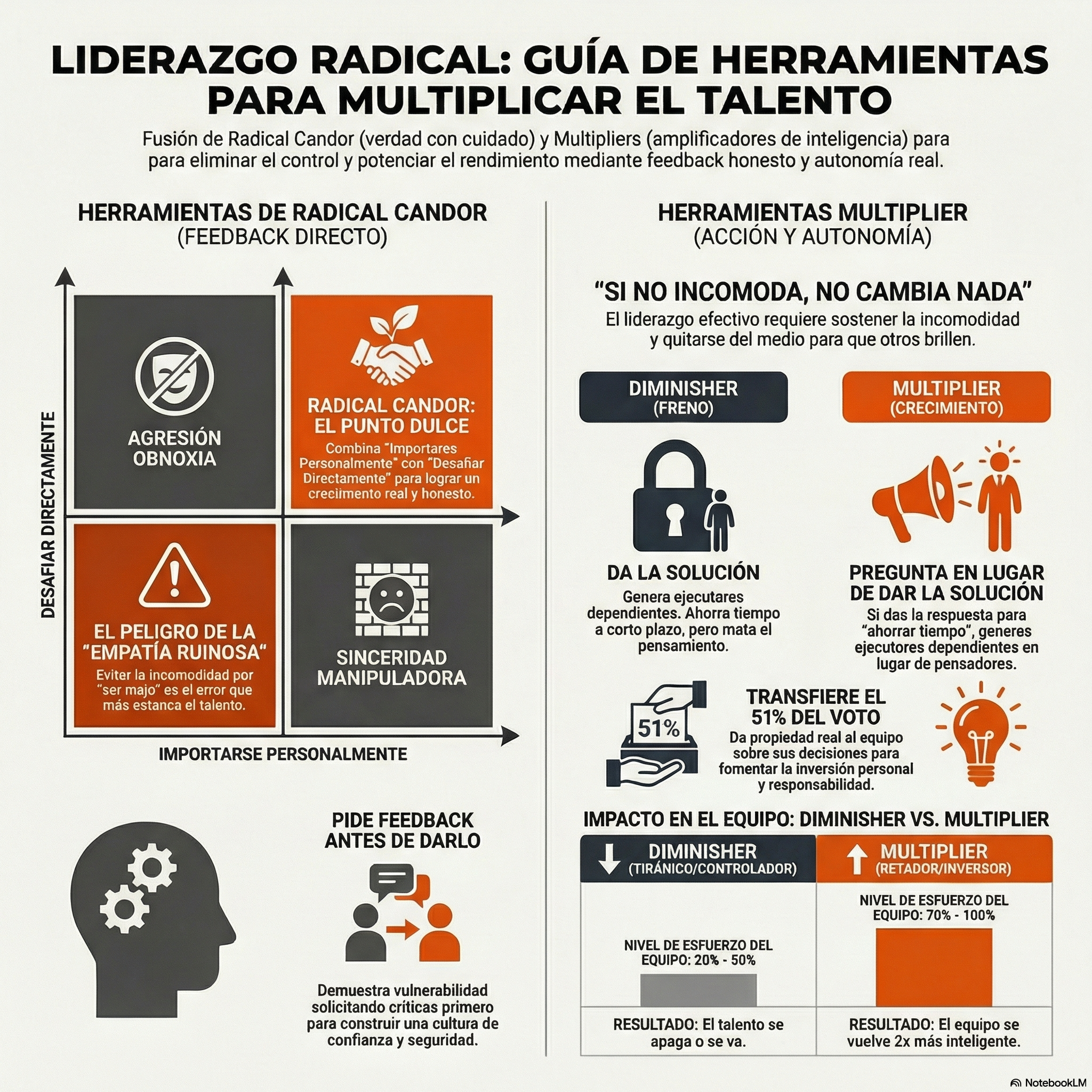
The framework we were going through asks a direct question: are you a leader who multiplies the team's intelligence, or one who diminishes it?
Diminisher leaders soak up the energy in the room and end up using only a fraction of the talent available to them.
Multipliers, on the other hand, pull off something far more interesting: they create a context where people raise their level of thinking and ownership.
The difference is huge.
A team run by a diminisher can work.
But it rarely flourishes.
And here's one of leadership's great paradoxes.
The smarter a leader is, the more discipline they need to not take up too much space.
Because leading isn't about having the best answers.
It's about creating the context where better questions show up.
The second trap: confusing niceness with leadership
If the first risk for a leader is shrinking the team's intelligence, the second is dodging the truth.
This is where one of the most influential leadership books of recent years comes in: Radical Candor.
Its core idea is dead simple.
Trust shows up when you combine two things:
caring personally and challenging directly.
When one of them is missing, the trouble starts.
Some leaders challenge without caring.
They breed fear.
And some leaders care without challenging.
They breed mediocrity.
The material we went through nails this second trap with a concept I find brutally precise: ruinous empathy.
It's the kind of leadership that avoids awkward conversations to protect feelings in the short term.
But ends up leaving people stranded with their own mistakes in the long run.
The classic example is someone whose feedback gets softened for months… until one day they find out their performance was never where it should have been.
It's not a rare scene.
In fact, it's pretty common.
And it says a lot about how many organizations understand culture.
Because telling the truth with respect isn't harshness. It's responsibility.
Good leadership isn't about avoiding discomfort.
It's about managing the discomfort you need in order to grow.
(If you want to dig deeper into Radical Candor, I'd recommend reading this chapter: The Importance of Feedback in Professional Growth | LinkedIn
The third factor: designing a M.A.G.I.C. environment
But even when the leader multiplies intelligence and communication is honest, there's still a third element.
The environment.
For years, plenty of companies have tried to buy commitment.
With perks. With benefits. With shallow cultural gestures.
But there's a structural problem: any transactional perk quickly becomes the new normal.
What actually drives commitment is something deeper.
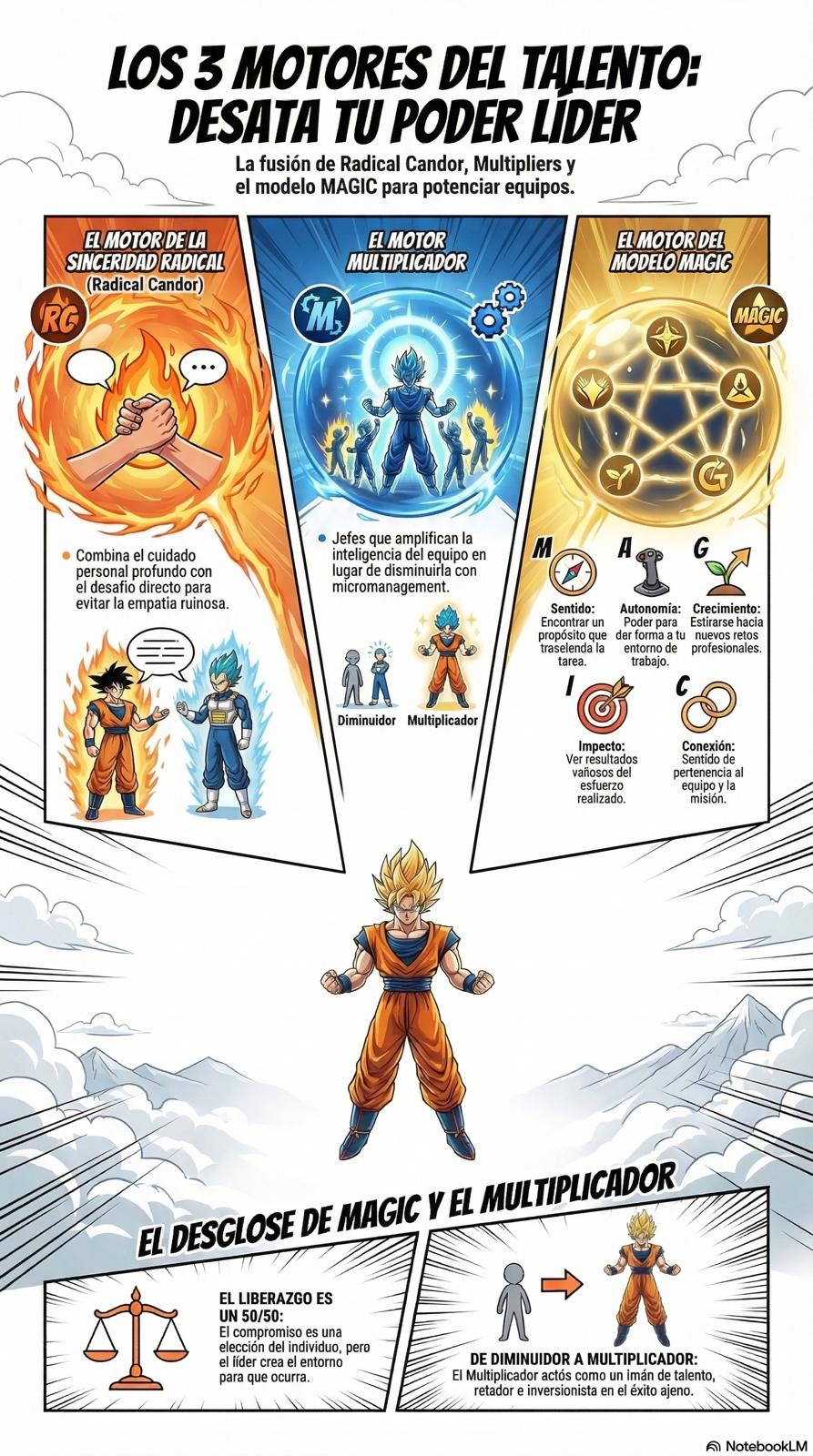
An environment where five very basic human engines get switched on.
The model sums it up with an elegant acronym: M.A.G.I.C.
Meaning — feeling the work matters. Autonomy — having real room to decide how things get done. Growth — sensing personal and professional development. Impact — seeing tangible results from your own effort. Connection — feeling part of something bigger than the daily task.
When these five dimensions show up, the relationship with work changes.
The material we were looking at also drew an interesting distinction between two states a lot of companies mix up: satisfaction and commitment.
Satisfaction keeps someone from leaving.
Commitment makes someone give it everything.
The first keeps the body in the chair.
The second switches on something far more powerful: mind, energy, emotion and action all lined up toward one goal.
It's not a minor nuance.
It's the difference between having decent employees and having extraordinary teams.
(You can read more about MAGIC in this other chapter: Organizational Magic: Turning the Employee Experience into Business Success | LinkedIn
When you put the three pieces together
What's interesting is that when you bring these three ideas together, a very clear architecture of modern leadership emerges.
First, the leader learns to multiply talent.
Then, they build the ability to tell the truth with respect.
And finally they build an environment where people can genuinely commit.
It's not a theoretical formula.
It's a daily practice.
Because leadership isn't decided in the big strategic calls.
It's decided in much smaller things.
How you ask a question in a meeting. How you correct a mistake. How you hand out autonomy.
They're constant micro-decisions.
But they end up defining the whole system.
The question that separates good leaders from great ones
There's one idea that, the more I watch teams, the more obvious it becomes.
Talent rarely vanishes all at once.
It fades.
Little by little.
In meetings where nobody dares to think out loud. In cultures where feedback shows up too late. In organizations where the context doesn't invite anyone to commit.
That's why there's one question every leader should ask themselves every now and then.
Not in public. Not in a committee. But in silence.
Am I multiplying my team's talent… or am I shrinking it without realizing?
Because in most organizations, talent doesn't fail for lack of ability.
It fails for lack of clarity.
It fails for lack of leadership.
And above all, it fails when nobody takes seriously the real job of leading:
creating the context where people can give the best of themselves.