Between the Lines of Leadership · A Headhunter's Picks (39)
It's almost the final chapter of the year and I still can't step out of the "garden" of how to cultivate talent.
How do we get people to flourish, both in their personal lives and their careers? That's the big question Dan Pontefract tackles in his book Work-Life Bloom. Reading it, I couldn't help but connect his ideas to the philosophy we live by at W Executive España : building an environment where talent doesn't just grow, it thrives in harmony with each person's own values and goals.
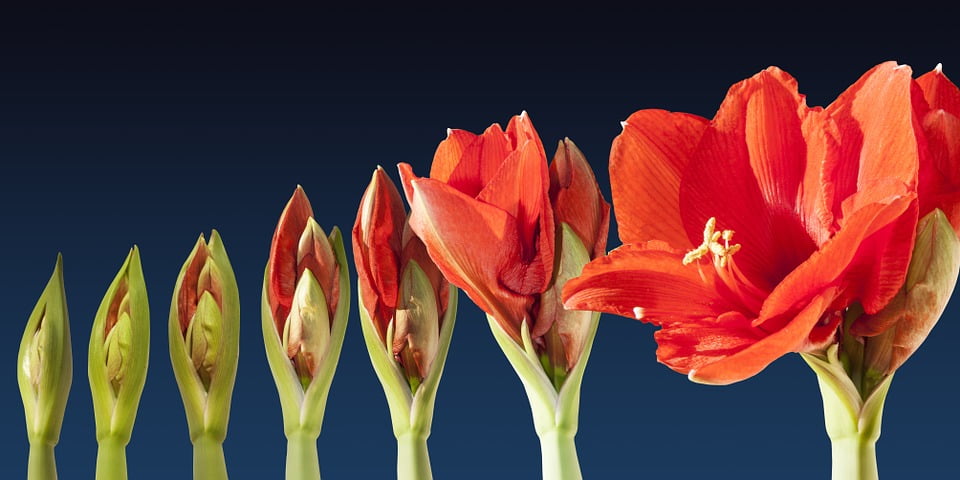
Pontefract puts forward the idea that our lives are like gardens, and that work-life balance isn't a simple seesaw, it's an ongoing process of cultivation. His concept of "bloom" makes the point that thriving isn't a permanent state, it's a constant movement toward balance, where every role and every part of life finds its ideal place to coexist. He defines "bloom" as the state in which people manage to thrive by integrating their personal and professional roles in harmony, reaching their full potential in both. According to Pontefract, there are four essential elements that drive people to flourish: Purpose, Performance, Wellbeing and Relationships. These aren't separate boxes, they interact with each other dynamically, creating an interdependent system where progress in one fuels the others.
The Four Elements and Their Connection to Talent
Purpose: At W Executive we believe talent is best cultivated when people find meaning in what they do. Pontefract stresses that purpose isn't just a goal, it's a compass that gives meaning to your daily work. In our experience, helping candidates connect their own aspirations with a company's goals is key to sustainable growth.
The trick is for personal purpose to line up with the organization's values. When someone works in an environment where their contribution has real impact, it doesn't just boost their motivation, it boosts their commitment and their productivity.
Performance: The author explains that performance is a direct result of an environment where people feel both supported and challenged. In our work with teams, we see how an effective leader knows how to balance those two forces. That balance doesn't happen on its own; it takes constant attention and adjustment from leaders, who have to be able to spot the strengths and the areas for growth in every member of the team.
On top of that, performance is also shaped by organizational culture. Companies that promote innovation, continuous feedback and recognition for both individual and collective wins tend to be the ones where people hit higher levels of performance.
Wellbeing: Talent flourishes when wellbeing is a priority. Pontefract makes the case for a holistic view, one where physical, mental and emotional health sit at the center of the organizational strategy. That's right in line with our "W Culture", where we set out to create a workplace that inspires people and respects their personal balance.
It's not just about avoiding burnout, it's about building an environment where people can recharge and feel backed up in both their work and their personal life. Things like flexible schedules, wellbeing programs and a genuine focus on personal development are examples of how that plays out.
Relationships: Meaningful relationships, inside and outside of work, are the bedrock for any gardener trying to grow a fertile environment. According to Pontefract, nurturing these connections is crucial for people to feel supported and able to bring their best.
In that sense, a leader has to act as a facilitator, opening up the spaces where relationships can flourish. Teams with strong connections aren't just more resilient when things get hard, they're also more creative and collaborative.
What Can We Learn for the Future?
The idea of Work-Life Bloom reminds us that organizations should act more like gardeners than engineers. It's not about building rigid structures, it's about cultivating environments where each person can find their own way to flourish. Pontefract underlines that flexible leadership isn't just about adapting to different situations, it's also about cultivating an environment that lets every member of the team thrive in their own unique way. Effective leadership acts as a bridge between the needs of the organization and the personal aspirations of its people, promoting a culture of support, trust and mutual growth. That means encouraging a balance between autonomy and guidance, along with the adaptability to handle a shifting market.
A key part of this approach is recognizing that every individual is different. Personalizing development strategies and keeping up constant communication between leaders and their teams are essential to making sure people can thrive. On top of that, flexibility has to extend to the organization's policies, allowing adjustments that benefit both employees and the company.
The challenge for the future is finding ways to weave these four elements together in harmony, so that companies can become living ecosystems where people don't just survive, they thrive.
Bonus track
Is your organization ready to build an environment where talent flourishes? As always, I'd love to hear your experiences and reflections. Together, we can keep cultivating tomorrow's talent.