Between the Lines of Leadership · A Headhunter's Picks (30)
In an increasingly competitive business world, the real differentiator isn't just strategy or products, it's organizational culture. The key to success for any company that wants to win comes down to building and protecting a culture that's strong and authentic, one that reflects its values and guides every action its people take. At W Executive España , this principle is our foundation. We know that a real, strong culture doesn't just drive performance, it inspires people and connects them, which is what lets us build projects that succeed and last.
So in this edition I want to share a book I loved reading: "The Culture Code" by Daniel Coyle.
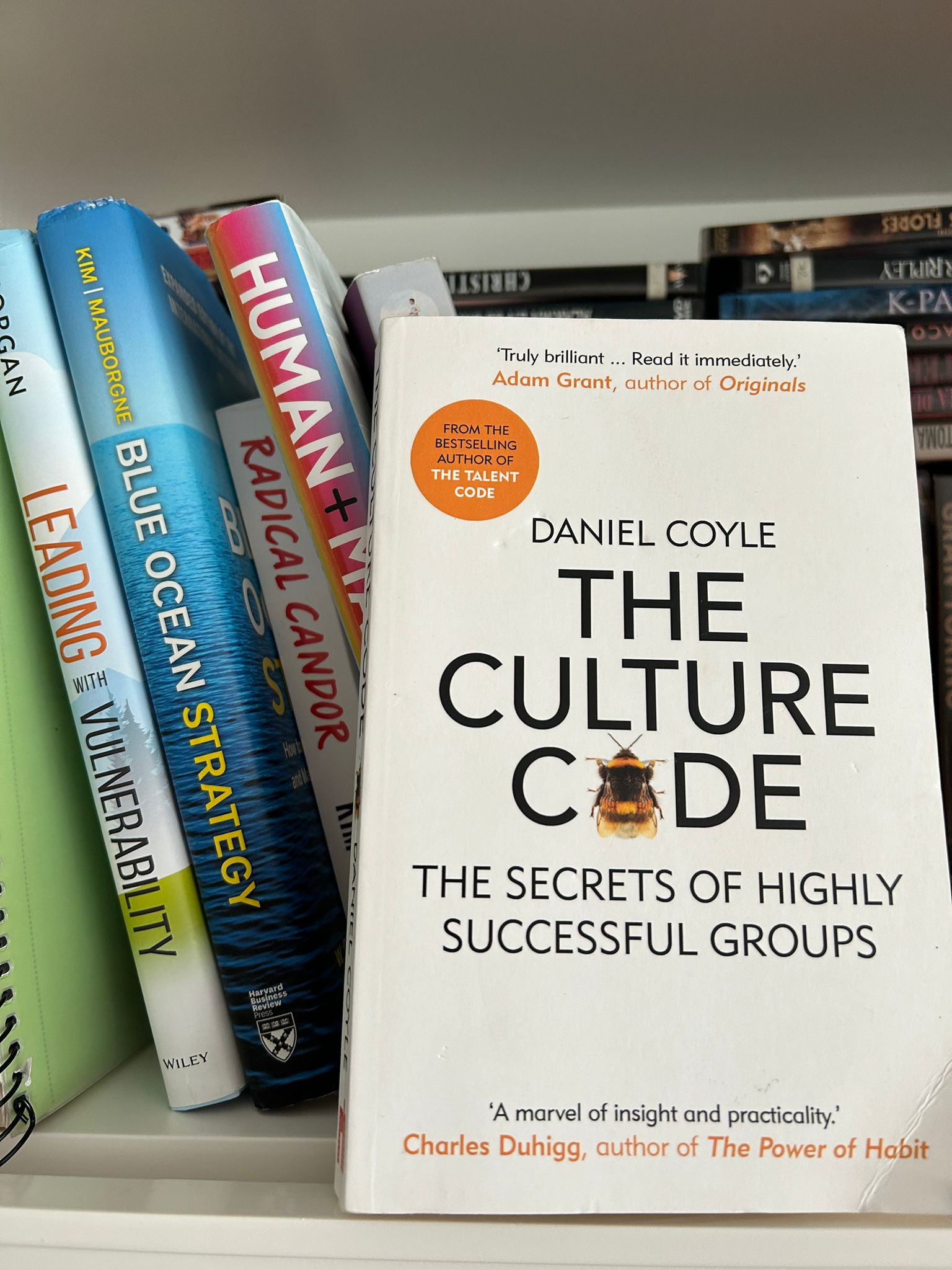
It digs into the secrets behind some of the most successful organizational cultures in the world. Here's a rundown of the book's key takeaways:
The Three Core Principles of Culture
- Build Safety: Coyle argues that safety is the foundation of a strong culture. People need to feel safe, accepted and valued at work. Creating an environment where team members feel psychologically safe is what builds trust and collaboration. We already saw this in the "Speed of Trust" edition.
- Share Vulnerability: Vulnerability is treated as a strength inside a team's culture. Leaders and team members who can show vulnerability, own their mistakes and ask for help create a deeper sense of trust and collaboration.
- Purpose: A clear, shared purpose guides the team's actions and decisions. Purpose pulls people together around a common goal, creating cohesion and motivation.
Nothing beats seeing it through the examples in the book.
The Case of Pixar Animation Studios : A Culture of Creativity and Collaboration
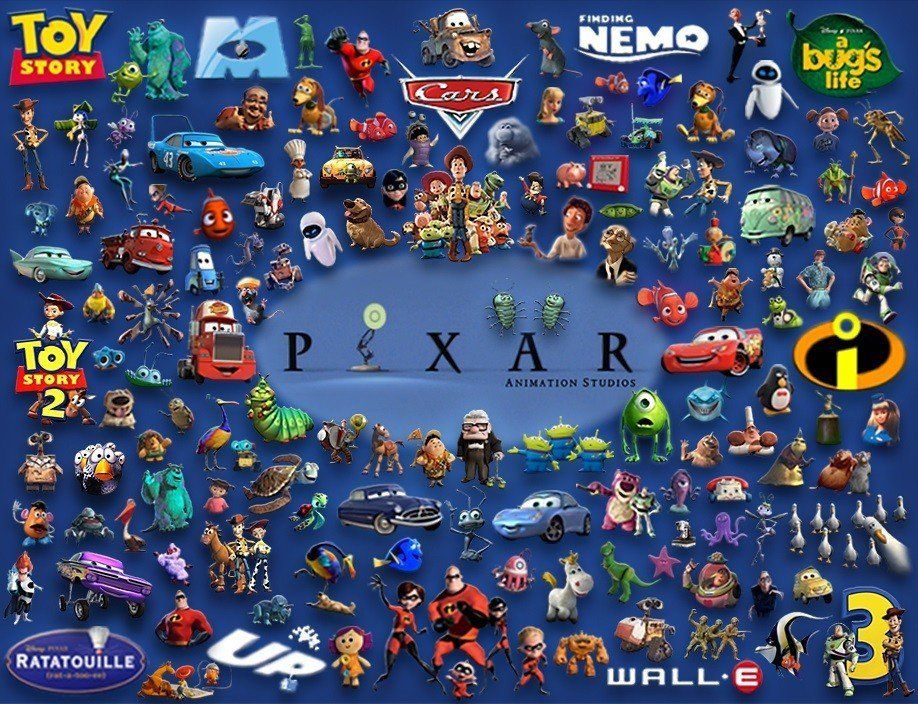
Pixar is one of the standout examples Daniel Coyle uses to show how a strong culture can power innovation and success. The company is known for cranking out hit animated films again and again, and a lot of that comes down to its unique organizational culture.
1. The Power of Psychological Safety at Pixar
- At Pixar, psychological safety is everything. Leaders like Ed Catmull Jr., P.E., LEED AP (co-founder and former president) built an environment where everyone on the team feels safe sharing ideas, even the unusual or unpolished ones.
- One of Pixar's best-known practices is the "Braintrust". It's a group that meets regularly to review and critique films in development. What makes the Braintrust work is the atmosphere of openness and respect. Members can be brutally honest in their feedback, but they do it to make the film better, not to attack the creator. That kind of honest, constructive feedback is what keeps the creative bar so high.
2. Vulnerability and Collaboration
- Pixar's culture also runs on shared vulnerability. Leaders at Pixar are the first to admit mistakes and ask for help, which sends a clear signal that it's okay to be human and get things wrong. That fuels a culture of constant learning.
- The creative process at Pixar is deeply collaborative. The films aren't the work of a single genius, they're the result of a diverse team pulling together. That collaborative approach is reinforced by constant communication and a willingness to revisit and rewrite big chunks of a project when they don't meet the bar.
3. A Clear Purpose
- At Pixar, the purpose isn't just to make movies, it's to tell stories that matter, that hit emotionally and that push the technical envelope. That shared purpose unites employees and gives them a clear target to work toward.
The Case of the Navy SEALs: A Culture of Excellence and Unity

The Navy SEALs are another organization that stands out in "The Culture Code", known for their extreme cohesion, their ability to perform under pressure and their unshakable commitment to the mission.
1. Building Safety Through Trust
- Safety in the Navy SEALs is built on total trust between team members. That trust is forged during brutal training, where SEALs face extreme situations that demand absolute mutual reliance.
- Coyle describes how the SEALs run "after-action reviews" (AARs), where they break down every mission to figure out what went well and what didn't. In these sessions, everyone, from senior officers to the newest recruits, is expected to contribute honestly. The process doesn't just improve future operations, it reinforces psychological safety, because everyone knows their voice matters.
2. Vulnerability and Accountability
- It may sound counterintuitive for an elite military unit, but vulnerability is a key part of SEAL culture. Members have to own their mistakes openly, because that's critical for survival and mission success.
- Accountability is strict, but it's rooted in the understanding that owning mistakes and learning from them is what makes the team stronger. SEALs aren't chasing individual perfection, they're after collective excellence.
3. A Clear, Shared Purpose
- The Navy SEALs' purpose is crystal clear: carry out extremely difficult missions with outstanding precision and effectiveness. That purpose is more than a goal, it's a principle that guides every action and decision.
- The motto "No man left behind" reflects the SEALs' absolute commitment to their team. It isn't just a phrase, it's the shared purpose that binds the SEALs together, a constant reminder that every member counts and that mission success depends on the unity of the team.
Conclusion
Both cases, Pixar and the Navy SEALs, however different their work may be, share the same core elements in their organizational cultures. Both lean on psychological safety, shared vulnerability and a clear purpose, adapted to their own unique contexts. Pixar uses these principles to drive creativity and innovation, while the Navy SEALs apply them to achieve cohesion and effectiveness in extreme situations. Coyle shows that these principles are universal and can be adapted to improve the culture of any organization.
To wrap up, it's crucial to spot the main mistakes that tend to show up when companies try to build "their own culture". The author warns that the most common ones include underestimating how much psychological safety matters, leaders failing to show vulnerability, and a gap between the stated purpose and the team's everyday actions. Those failures can seriously undermine the cohesion and effectiveness of the culture you're trying to build.