Between the Lines of Leadership · A Headhunter's Picks (31)
In business, and even more so when it comes to talent and professional growth, authentic relationships are one of the biggest drivers of long-term success. As Keith Ferrazzi puts it so well in his book "Never Eat Alone", it's not about how many people you know, it's about how you cultivate those relationships in a real, meaningful way.
At W Executive España , we get that talent isn't just about skills or experience, it's also about your ability to connect with others, share what you know, and build relationships that last. For us that's not just an idea, it's a daily practice. We value the power of authentic networks because we firmly believe, just like Ferrazzi, that your future success is tied directly to your ability to build real, valuable relationships.
In this edition, we'll look at how you can put these principles to work to grow not just yourself, but the teams you lead.
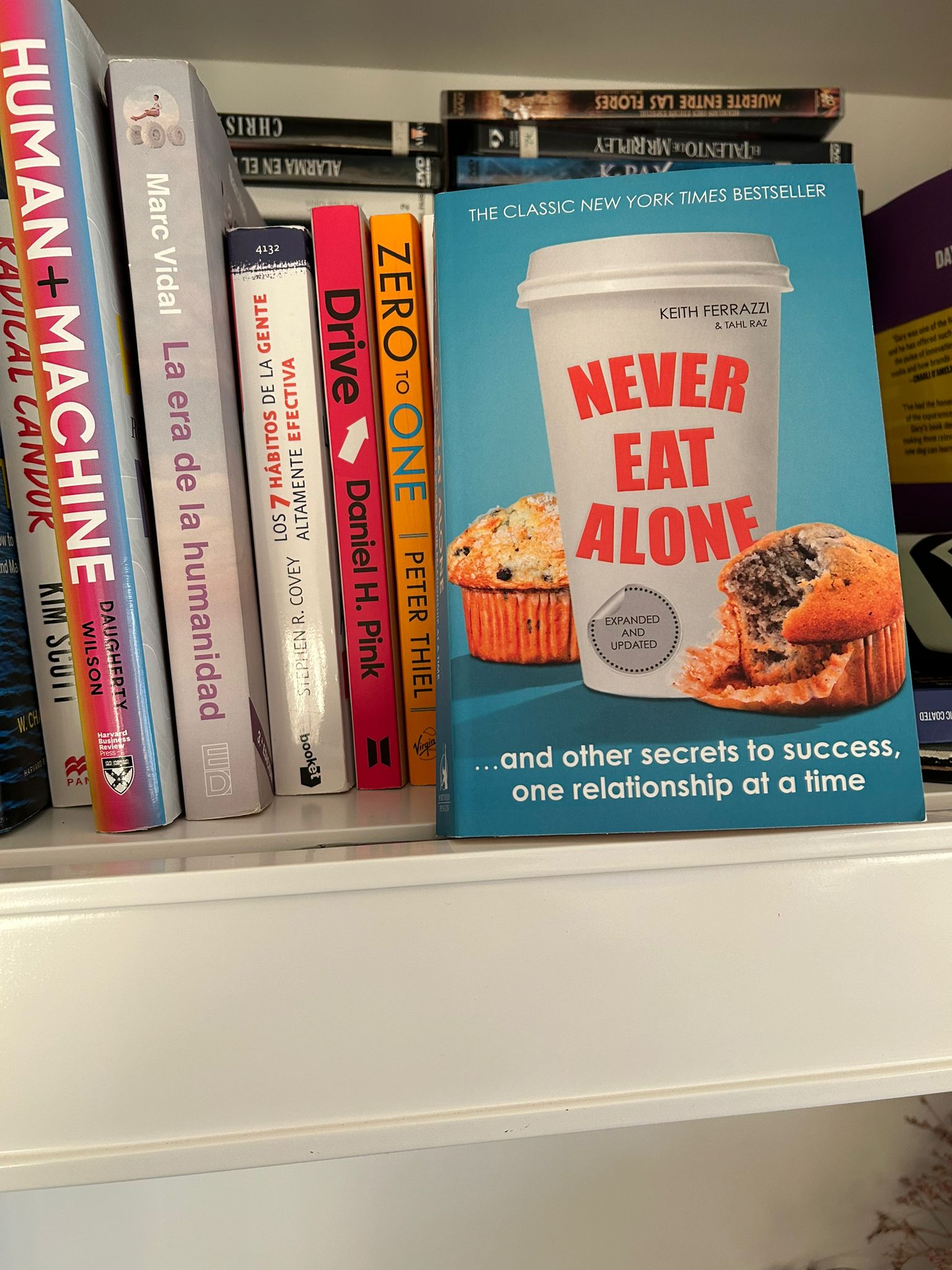
"Never Eat Alone" by Keith Ferrazzi is a book about building strong networks of relationships to win, both professionally and personally. Here's a rundown of the key takeaways, with a focus on why networking matters, especially from a headhunter's point of view:
Key takeaways from the book:
- Genuine, no-strings relationships: Ferrazzi's whole point is that networking isn't about meeting people so you can get something out of them. It's about building authentic relationships, the kind based on giving without expecting anything back. The value is in how you can help others first.
- "Never eat alone": The title is about using every opportunity to strengthen relationships. A lunch, a casual meeting, a formal event, whatever it is, always look to connect and build ties. The key is being proactive about connecting, even in everyday moments.
- Share knowledge and resources: Ferrazzi argues that sharing information, opportunities and resources without expecting an immediate return is essential to building a strong network. The more value you bring, the stronger your network gets.
- Stay in touch, regularly: Connecting once isn't enough. Relationships need maintenance. Ferrazzi recommends being consistent and finding ways to stay present in people's lives in a meaningful way.
- Connect others: Helping people grow their own networks matters too. Being a connector, someone who introduces the right people at the right time, adds value both for you and for the people you bring together.
- Build your "personal brand": Networking isn't just about who you know, it's also about how you show up. It's important to work on your reputation and be seen as someone trustworthy, capable and generous.
- Proactive, strategic networking: Don't wait for opportunities to come to you. Be intentional about who you want to meet and how you can help them, both personally and professionally.
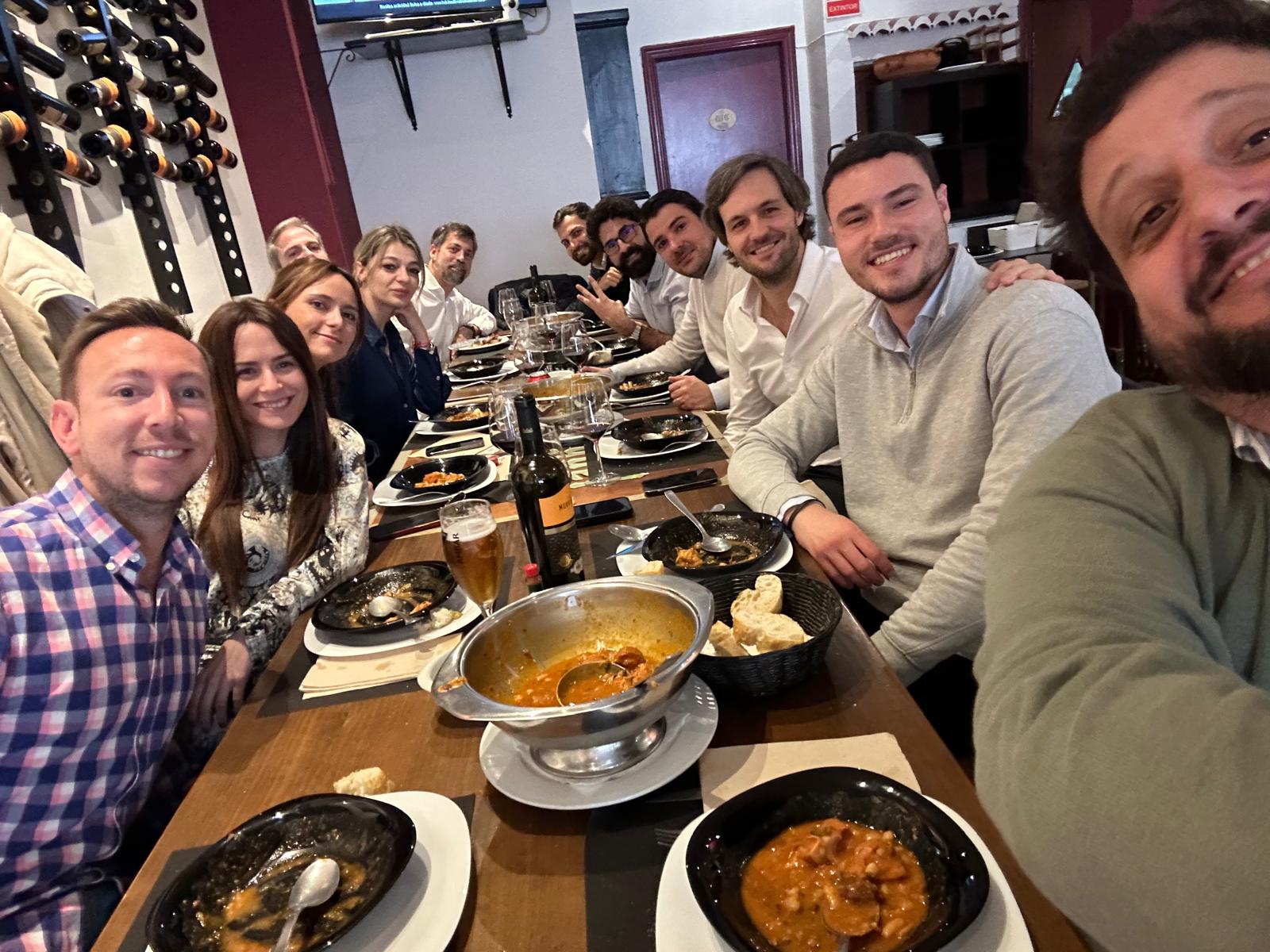
W Energia team
Why networking matters from a headhunter's perspective:
- Access to top talent: For a headhunter, a broad, diverse network is everything when it comes to finding and reaching the best people. The more you connect with professionals across different industries, the easier it is to spot and attract the right candidates for your clients.
- Building trust: Headhunters have to be trusted, by candidates and companies alike. A well-tended network, where you consistently bring value, helps you build credibility in the market.
- Strategic connections: A headhunter doesn't just need access to candidates, but also to the key decision-makers inside companies. Building strong relationships with CEOs, HR directors and other executives can be the door into new opportunities.
- Being a bridge between opportunities: Networking lets a headhunter connect the right people at the right time. When you know both the candidates and the companies up close, you can position yourself as a "connector" of opportunities, and that makes you indispensable.
- Visibility in the market: As a headhunter, being visible in the right circles is critical. Showing up at events, seminars and professional networks helps cement your position as a go-to name in your industry, which builds trust and pulls in candidates and clients alike.
- Getting referrals and recommendations: Good networking means other people recommend you on their own, whether to land clients or candidates. That grows your opportunities exponentially, because a recommendation usually comes with a built-in level of trust.
Bottom line: for a headhunter, networking is the backbone of professional success. "Never Eat Alone" drives home the idea that it's not about knowing a lot of people, but about doing it authentically, strategically, and with the goal of building valuable relationships that last.
One standout success story in "Never Eat Alone" is Keith Ferrazzi's own career. Throughout the book, Ferrazzi shares personal anecdotes to show how networking helped him move his career forward and build strong relationships. One of the most striking examples is how he used his network to rise fast in the corporate world.

Success story: Keith Ferrazzi's rise
One of the best-known episodes is how Keith Ferrazzi, at a relatively young age, became Chief Marketing Officer at Deloitte Consulting, one of the biggest consulting firms in the world. He credits that success to his focus on relationships. Instead of zeroing in only on selling services or products, Ferrazzi focused on building genuine ties with senior executives and thought leaders in the industry.
Ferrazzi didn't just look out for himself, he was constantly looking for ways to add value to the people he knew. He took a real interest in their needs and looked for ways to help, which ultimately earned him a strong reputation among influential executives.
Through those connections, and thanks to his ability to keep up long-term relationships with key people, he was able to land that senior role at Deloitte, something that would have been tough without the backing of his professional network. And that success didn't come just from building a network, but from Ferrazzi's constant effort to stay relevant, proactive and to bring value to every interaction.
Lessons from the example:
- Add value to others first: Ferrazzi stresses that the key to success isn't asking for help right away, it's helping first. That builds a relationship of trust and reciprocity.
- Keep your network active and well cared for: It's not enough to meet someone at an event and leave it there. Ferrazzi kept in touch regularly with the key people, making sure he was always on their radar.
- Build strategic relationships: Ferrazzi didn't connect at random. He focused on building relationships with influential people who could have a real impact on his career, and to whom he could bring something useful.
This example shows how, for Ferrazzi, professional success has been directly proportional to the quality and strength of his network.
A great TED talk that fits perfectly with the theme of "Never Eat Alone" is "The power of vulnerability" by Brené Brown. While her main focus is vulnerability, Brown hits on key points about the importance of genuine connection and authentic relationships, which line up closely with the networking principles Keith Ferrazzi lays out.
In her talk, Brené Brown explains how vulnerability and authenticity are fundamental to building strong, meaningful relationships. In the world of networking, showing your true self and being honest in your interactions can lead to deeper, more lasting connections, which is crucial for personal and professional success.
The talk offers a powerful look at how human relationships can transform our lives and fuel our success, making it a great companion to the approach in "Never Eat Alone".