Between the Lines of Leadership · A Headhunter's Picks (63)
It's not the first time I've heard this line…
A CEO tells you: "We have a really strong culture." And a few months later: "I don't get why the good people keep leaving."
The first time I heard it, I figured it was a one-off. Then I heard it again. And again. Different companies, different cultures, different leaders. And that's when I started to think maybe the problem wasn't the culture, it was what the culture doesn't see.
It's Easter week, and I couldn't resist writing a newsletter on the seven deadly sins. A few weeks back I was at an event where Fernando Miralles Coll gave a brilliant talk applying them to business. I've taken the liberty of building my own analogy, very much inspired by that great session.
What Christian tradition ended up calling the "deadly sins" was never a moral list. It was a map of human behavior under pressure. Paul dissects internal conflict in Romans with a precision any organizational psychologist would envy. John boils it down to three drives: desire of the flesh, desire of the eyes, the pride of life. Matthew captures real cases of behavior, not categories, but scenes.
And here's what really interests me: if you transfer those seven dynamics to an organization, you don't find sins. You find systemic failures. Patterns that repeat wherever there's power, pressure and ego. They don't disappear with values on the wall. They only get managed with structure.
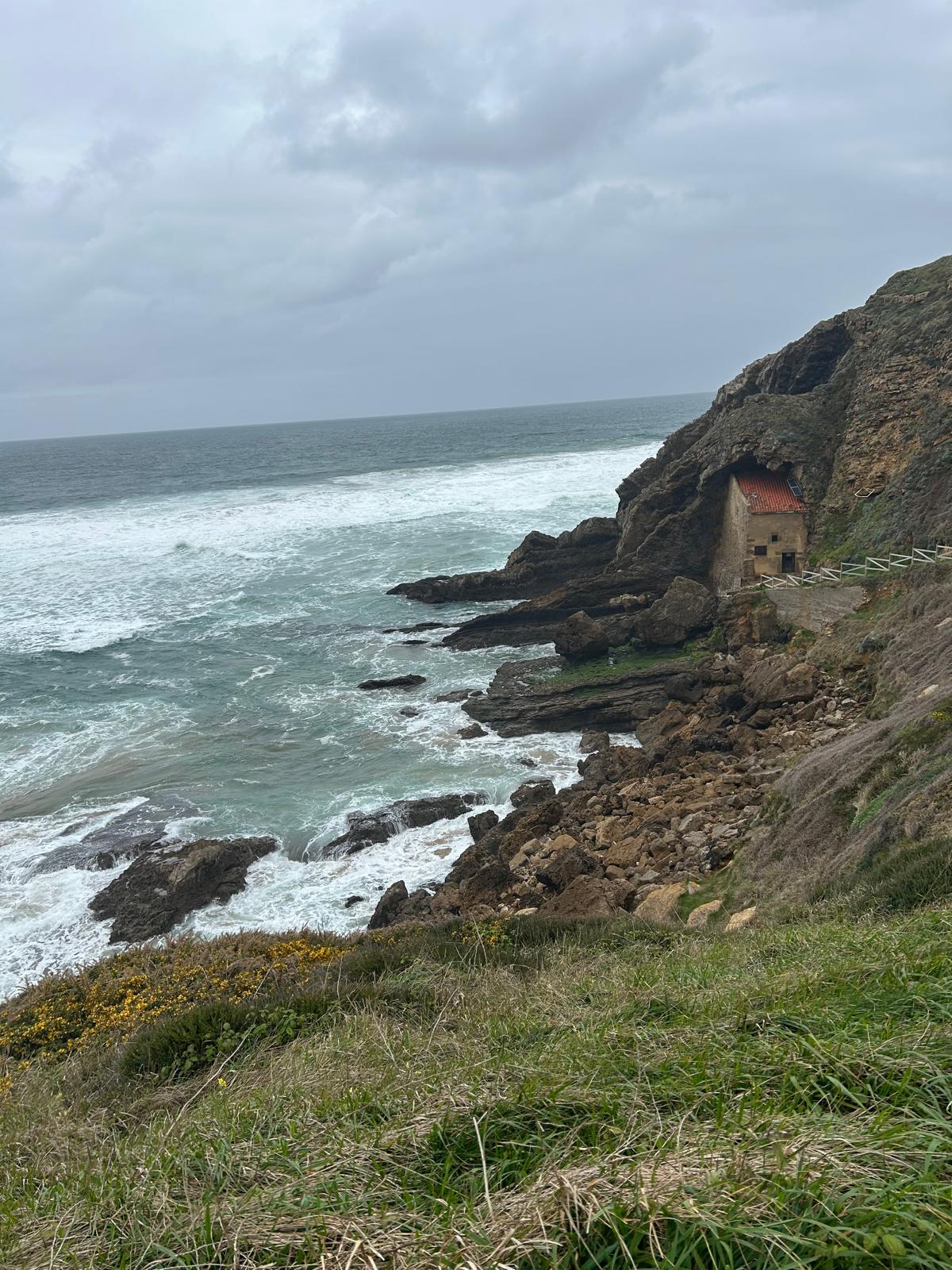
Santa Justa hermitage in Cantabria
Pride: when the team stops talking
You don't spot it in the leader. You spot it in what happens around them.
The room where nobody pushes back. The committee where consensus comes too fast. The feedback that travels up filtered, what fits makes it to the top, what's uncomfortable gets lost along the way. The CEO says "my door is always open." And it's true. But nobody walks in.
Here's the interesting part: pride isn't thinking you're better. It's no longer needing to be corrected. And when that happens, decisions degrade in silence. There's no breaking point, there's a slow erosion. Ideas that don't get pitched. Risks that don't get flagged. Truths nobody puts on the table.
In The Culture Code, Daniel Coyle describes the exact opposite: teams where psychological safety lets anyone say "this isn't working." The Navy SEALs aren't elite because they have no ego. They're elite because their system forces ego not to hijack decisions. The difference isn't humility, it's mechanism.
(There's another piece below where we dig into this)
Building a Winning Organizational Culture: Lessons from Pixar and the Navy SEALs | LinkedIn
Greed: when the quarter eats the future
It shows up in the company that optimizes every euro of the present and invests not a single one in what's coming. That measures everything by immediate revenue. That cuts without judgment because "we have to protect the margin." That squeezes people until the good ones, who always have options, leave without making a sound.
Simon Sinek lays it out clearly in The Infinite Game: playing an infinite game with a finite mindset is unsustainable. When the whole organization screams "only today matters," talent picks up on it before anyone else. Because good talent isn't just chasing compensation. It's looking for a project with a future. And when that future doesn't show up, they start eyeing the door.
As we said back when we talked about Dave Ulrich, competitive advantage isn't in individual talent. It's in the organization's ability to hold onto it. And holding onto it means measuring retention, quality, development too, not just revenue. What you measure defines what you protect.
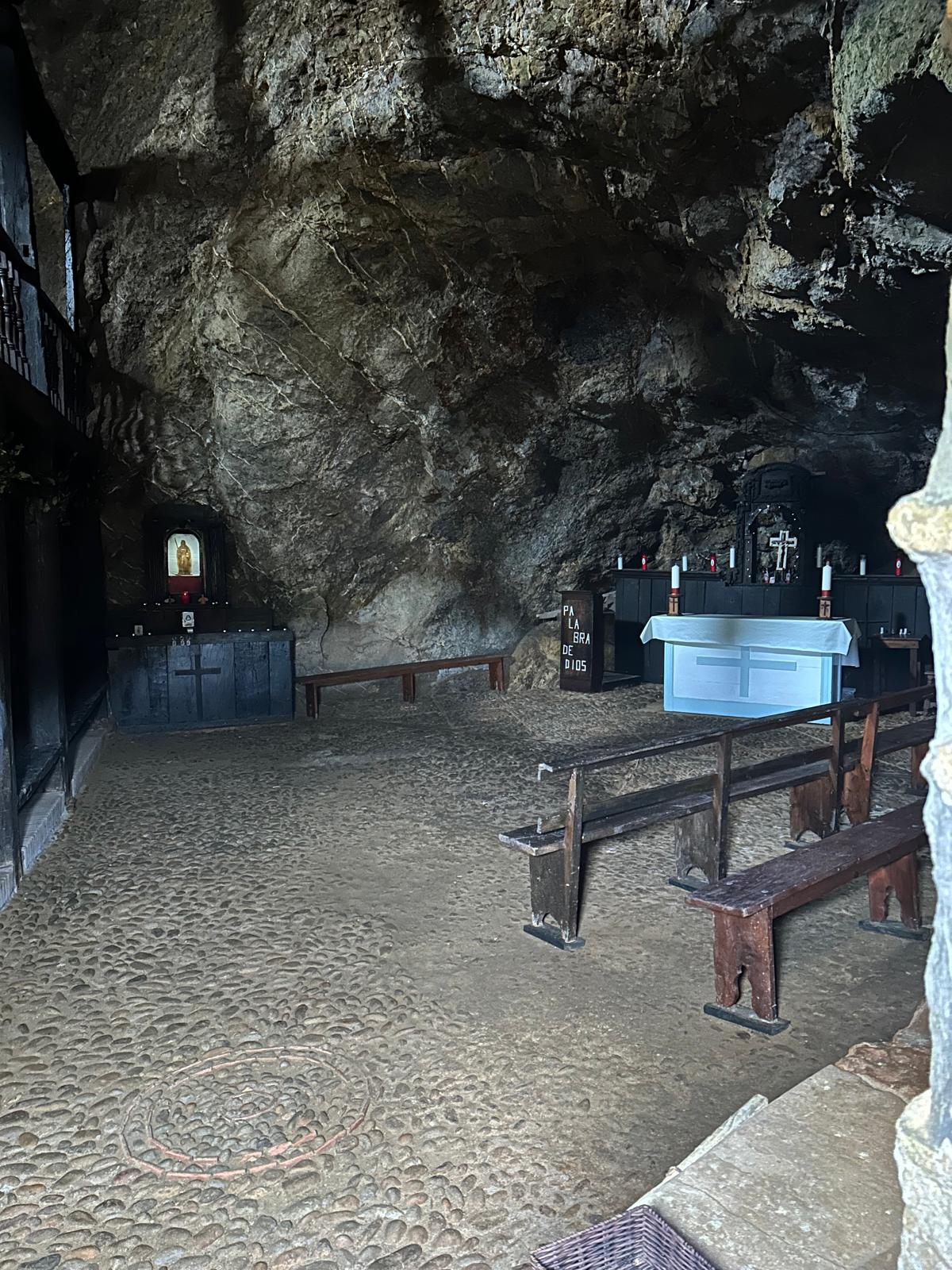
Santa Justa hermitage (Cantabria)
Lust: when fascination with the new replaces focus
A new initiative every month. A new channel. A new technology. A new strategic project. Everything's strategic. Everything's a priority. And when everything's a priority, nothing actually is.
From the outside it looks like energy. Vision. Ambition. From the inside it feels like scatter. Teams kicking off projects that never mature. People who learn not to commit too hard to anything, because they know it'll change in three months. Nothing reaches excellence because nothing gets the time excellence needs.
And here's a real tension: curiosity, which Gary Vaynerchuk puts among the essential leadership competencies, is an engine. But without discipline, curiosity scatters instead of building. The problem is never a shortage of ideas. The problem is holding the ones that matter long enough for them to mature.
Wrath: when high standards get confused with pressure
You see it in the manager who delivers feedback like a punch. In the meeting where someone makes a mistake and the silence that follows says more than any shout. In the team that executes flawlessly but never proposes anything new.
Kim Scott draws it with disarming clarity in Radical Candor: the difference between challenging directly while caring personally and aggression dressed up as honesty. The first builds. The second destroys. And the most dangerous of all, ruinous empathy, is saying nothing for fear of making someone uncomfortable.
But there's a nuance that sometimes gets lost. Wrath in an organization isn't always explicit. Sometimes it's a tone. A raised eyebrow. A "we've already talked about this" that shuts the conversation down before it starts. And the effect is always the same: people stop telling the truth. Not because they lie, but because they learn which truths are safe and which aren't.
Fear doesn't boost performance. It cuts down the truth that's available. And an organization running on incomplete information makes incomplete decisions. Every single day.
The Importance of Feedback in Professional Growth | LinkedIn
Gluttony: when growing becomes the goal, not the means
You see it in the company that goes from twenty to seventy people in a year and expects the culture to hold on its own. That hires managers who aren't ready for the role. That opens business lines without the foundation to sustain them. More is better. Always more.
Until one day you look up and there are more people, but not more productivity. More structure, but not more clarity. More leaders on the org chart, but less real leadership in the hallways.
Jim Collins put it in Good to Great with an image that sticks: first who, then what. First the right people on the bus, and the wrong ones off it, before deciding where the bus is going. Most companies don't break from going too slow. They break from going too fast without having sorted out the who.
Building a Successful Venture: The Power of Who | LinkedIn
Envy: when ambiguity breeds politics
You see it in the line said under someone's breath: "That team has it easier." In the constant comparison between departments. In the merit that goes unrecognized and the favoritism that gets perceived, real or imagined, doesn't matter, the damage is the same.
In reality, envy isn't born from money. It's born from a lack of clarity. When promotion rules aren't transparent, people invent their own. When incentives reward the individual over the collective, collaboration dies. And when collaboration dies, what's left are silos competing against each other instead of competing against the market.
Covey ties it straight to trust in The Speed of Trust: where there's trust, costs go down and speed goes up. Where there isn't, everything slows down. And trust requires clear rules, not so everyone's happy, which is impossible, but so everyone understands the game.
Trust: The Transformative Key to Success and Efficiency | LinkedIn
Sloth: when tolerating becomes the problem
It's the quietest of them all. It doesn't look like a failure. It looks like patience. It looks like empathy. "Let's give them a bit more time." "Now's not the moment to make that call." "They're going through a rough patch."
And meanwhile, the one who isn't delivering stays put. And the one who is delivering sees it. And they start asking what they're working so hard for. And one day they stop asking and they leave. No drama. No epic resignation letter. They just go.
Culture doesn't degrade because of the ones who don't add. It degrades because of what the leader tolerates. As Shane Green writes in Culture Hacker: the real values aren't the ones on the wall. They're the ones lived and shown every day. And when you tolerate poor performance, you're communicating what your real standard is, no matter what the culture deck says otherwise.
The question that's left
If one thing is clear, after working deliberately on culture, growth and profitability, it's that the concepts work when they're lived. Not when they're said. When they're lived.
And living them means small decisions. Daily ones. Sometimes uncomfortable ones.
These seven patterns aren't moral defects. They're human dynamics that inevitably show up wherever there's pressure, power and growth. They don't disappear with culture, because culture is the environment, not the mechanism. The mechanism is structure: the rules, the incentives, the processes, the decision systems.
Cultivating talent isn't a program. It isn't a development initiative. It isn't the training budget.
Cultivating talent is creating the structural conditions for the good ones to want to stay and to give their best.
And that starts with a question few organizations ask themselves honestly.
Not in public. Not in a committee. But in silence.
Which of these dynamics are we tolerating today?
Because the biggest mistake isn't that they exist. They exist everywhere.
The biggest mistake is thinking they don't apply to you.