Between the Lines of Leadership · A Headhunter's Picks (14)
In this chapter, we double down on something fundamental: the employee experience is a critical pillar for any business venture that wants to win. Find and dial in that perfect balance, and the harmony that comes out of it ripples across the whole organization in a way that almost looks like magic.
But behind that perfect, magical-looking balance, there's a ton of science. This time, we're turning to another book by the same authors. There's one called "MAGIC" that captures the essence of what we're talking about. When you pair the employee experience with genuine commitment from your people, it crystallizes into a winning, undeniable strategy.

https://decision-wise.com/resources/articles/5-keys-of-employee-engagement-magic/
Before we get into today's book, here are the key MAGIC takeaways ;):
- M (Meaning): It's about the work mattering personally to your people. When people find purpose in what they do, they're more engaged and more satisfied.
- A (Autonomy): It points to the need to give people the freedom to make their own calls and own their work. Autonomy drives innovation and personal accountability.
- G (Growth): It's about the chance for people to grow, professionally and personally, inside the company. Growth is essential to keep people motivated and engaged over the long haul.
- I (Impact): It's about how people see their work contributing to the company's success and actually making a difference. Knowing your work has a positive impact can seriously boost job satisfaction.
- C (Connection): It's about the relationship people have with their teammates, their bosses and the organization as a whole. A strong connection improves collaboration and the sense of belonging.
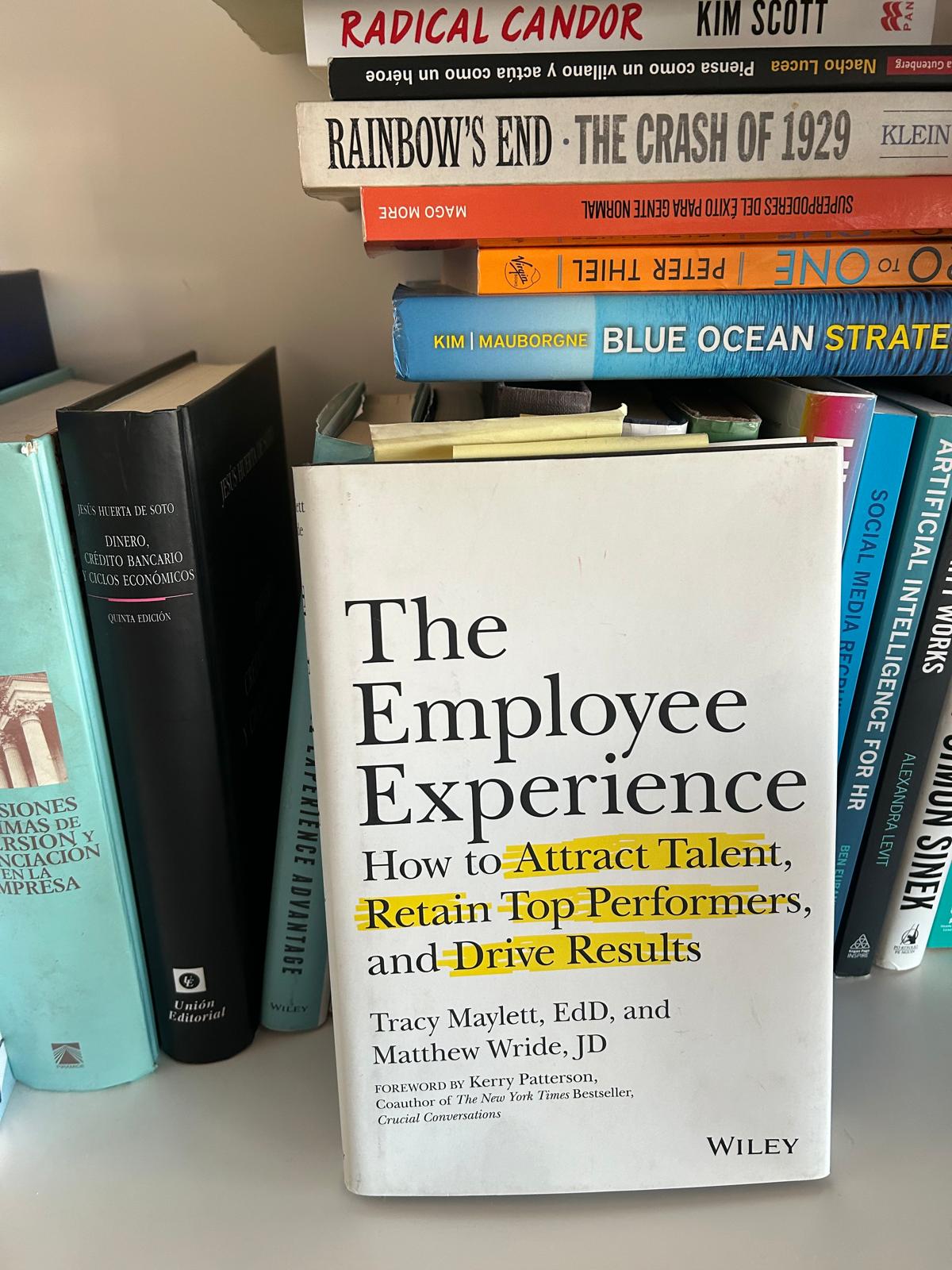
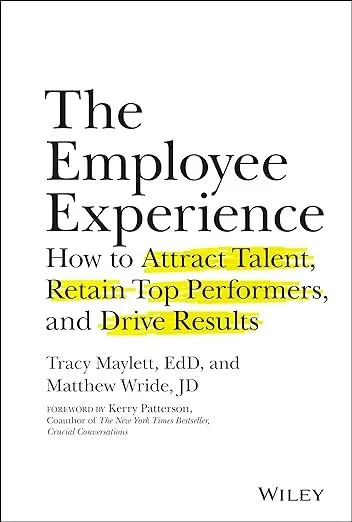
"The Employee Experience: How to Attract Talent, Retain Top Performers, and Drive Results" by Tracy Maylett, Ed.D. and Matthew Wride digs into how creating a positive experience for your people is essential to attract and keep talent, and to win as a business.
https://a.co/d/4et7Cy4 (book on Amazon)
Here are the book's key takeaways:
- Defining the Employee Experience (EX): EX is the sum of all the perceptions people hold about their interactions with the organization they work for.

- Aligning Expectations: It's critical for employers to align expectations by clearly communicating what the organization expects from its people and what they can expect in return.
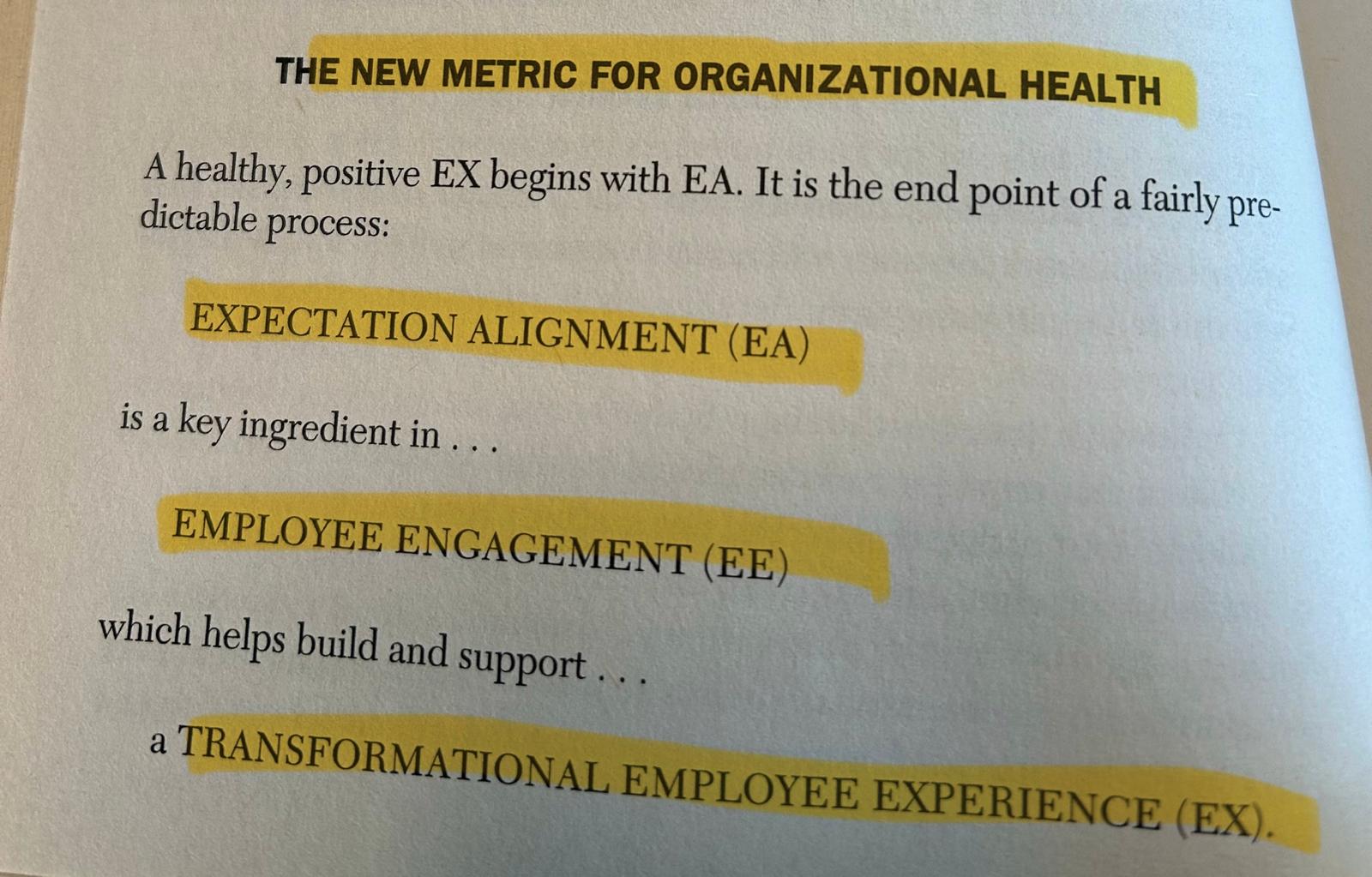
- The Reality of Interaction: The employee experience is shaped by the day-to-day interactions people have with their work, their colleagues and the organization at large.
- Perception of the Deal: How well people feel their expectations are being met shapes their experience and their overall satisfaction.
- The Three Types of Employee Expectations:
- Brand Expectations: What people think they should expect, based on the company's external brand.
- Transactional Expectations: What people get back for what they put in, like pay, benefits and job security.
- Social Expectations: The social side of work, including relationships with peers and managers.
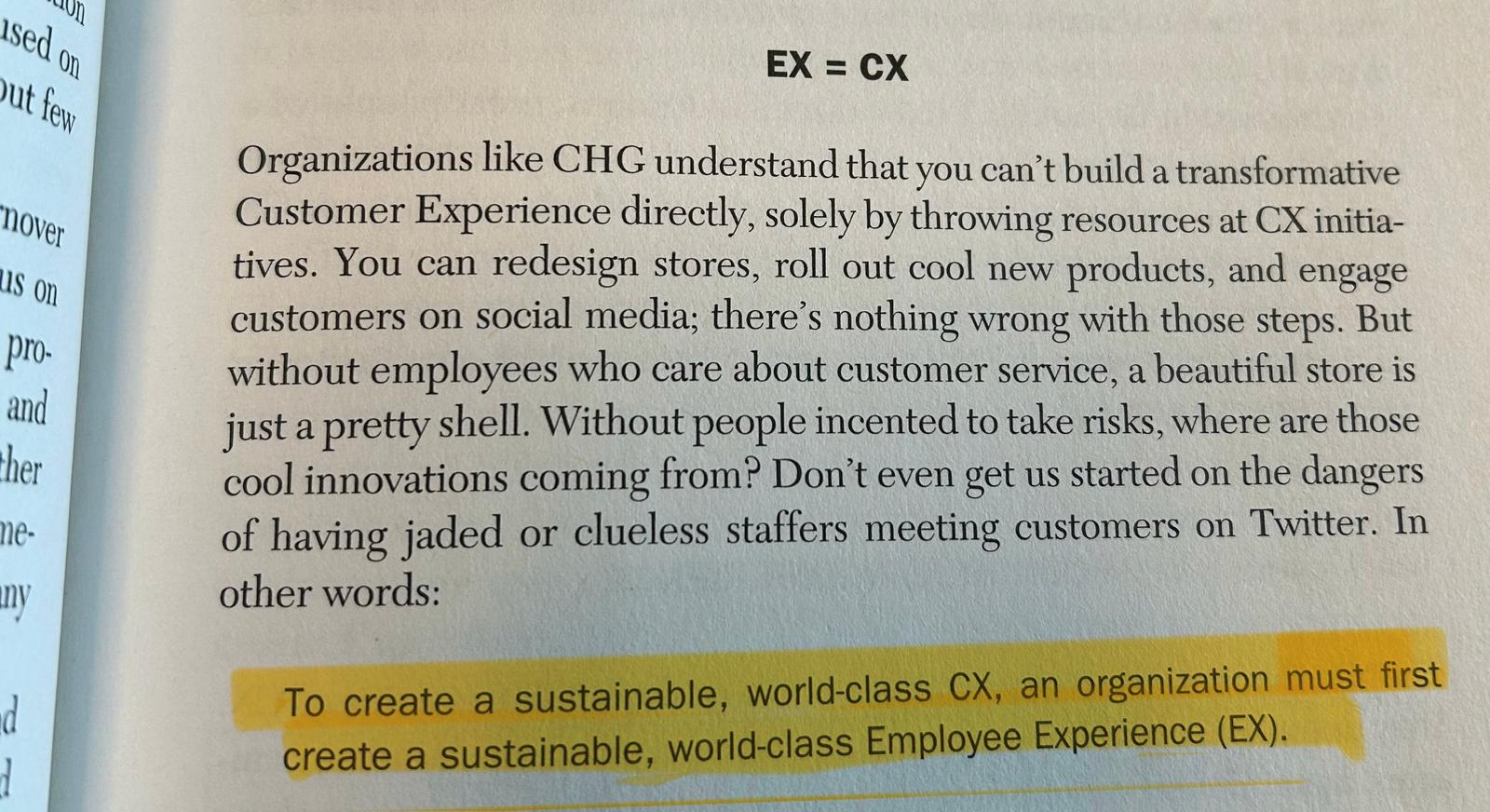
- The Link Between EX and Customer Experience (CX): A positive employee experience is directly tied to a positive customer experience, which drives better business results.
- The Value of Engagement and Culture: Engagement is an outcome, not a strategy. Culture provides the context for the employee experience, and a strong culture is one that supports the experience you're after.
- The Role of Leadership: Leaders play a key part in shaping the employee experience by setting the vision, aligning expectations and building an environment where people can thrive.
- The EX Framework: The authors lay out a framework that includes culture, technology and the physical workspace as the key components that shape the overall employee experience.
- Measuring EX: The book stresses how important it is to measure the employee experience through surveys, feedback and other metrics, so you can understand it and improve it.
- Creating an Intentional EX: Organizations should design the employee experience on purpose, the same way they design the customer experience, making sure it's consistent and aligned with their values.
- Impact on Retention and Recruiting: A positive employee experience is a key factor in keeping your top performers and attracting new talent.
- The Employee Experience as a Competitive Advantage: Companies that invest in the employee experience win a competitive edge in innovation, customer service and overall performance.