Between the Lines of Leadership · A Headhunter's Picks (13)
For a lot of people, the number 13 stirs up mixed feelings, but for me it's a lucky number for plenty of reasons. Coincidence or fate? I honestly don't know, but 13 has marked some of the biggest moments in my life, and that's what inspired me to dedicate this special, different chapter to it, while diving into another one of my passions: film.
The presence of 13 in my life:
- My mother and my wife share more than just a special place in my heart: both were born on the 13th.
- Our wedding was on April 13, 2013.
Driven by these coincidences, I want to share how movies, far from being just entertainment, have been a real source of learning for me. Not every film has direct business applications, but works like The Lord of the Rings (and yes, the books too) resonate deeply with valuable lessons you can carry straight into your professional life.
I'll hint that in future chapters we might even explore how video games sharpen leadership and business strategy, but that, dear readers, is a conversation for another day. We'll see if I let my inner "Gamer" out down the road and close the "Geek" circle I'm opening today.
This chapter is a tribute to that magic number and to how the art of film weaves itself into personal and professional growth.
(soundtrack for the chapter)
Using J.R.R. Tolkien's "The Lord of the Rings" trilogy as an analogy to pull out business and team-leadership lessons is a fascinating, creative idea. Here are six lessons we can learn from this epic story:
- Shared leadership and clear roles:
Example: In the Fellowship of the Ring, every member has a specific, crucial part to play, from Gandalf, the guide, to Frodo, the ring-bearer. That structure underscores how important it is to define clear roles on a team so every aspect of a project is covered.
Business application: Make sure every member of your team knows their role and their responsibilities. It improves efficiency and effectiveness in hitting your goals.

- Resilience and adapting to change:
Example: Frodo and Sam face countless challenges and adapt their strategies as circumstances shift throughout their journey.
Business application: Build a culture where adaptability and resilience come first. Equip your team to handle the unexpected and to adjust how they work when new challenges hit.

- The importance of long-term vision:
Example: Aragorn holds a long-term vision of peace and stability for the kingdoms of men, and it guides everything he does.
Business application: Develop and communicate a clear vision for your company. Make sure every strategy and project feeds that bigger vision, keeping your team motivated and focused.

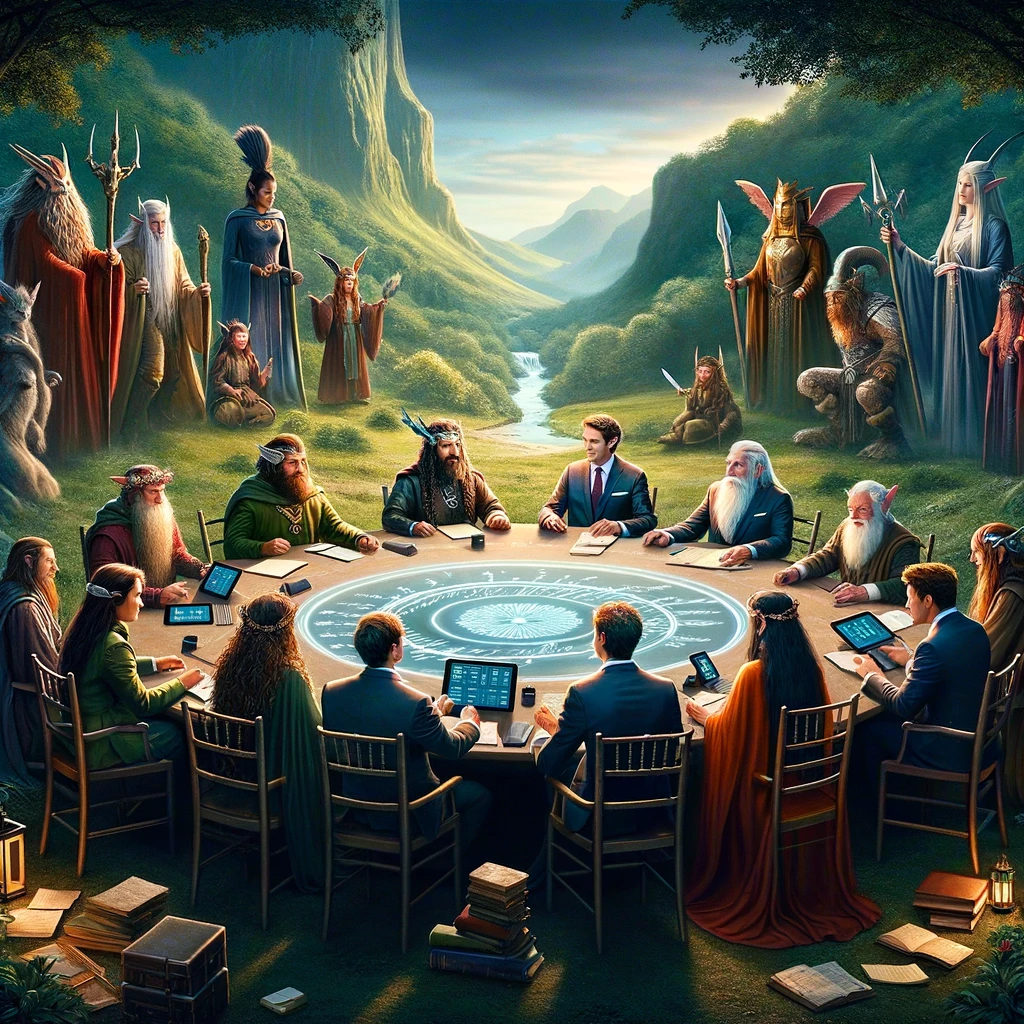
- The value of diversity:
Example: The Fellowship of the Ring is made up of members from different races and cultures of Middle-earth, each bringing unique skills and perspectives.
Business application: Value and tap into the diversity on your team. Bringing together different perspectives and skills can enrich decision-making and spark more innovative solutions.
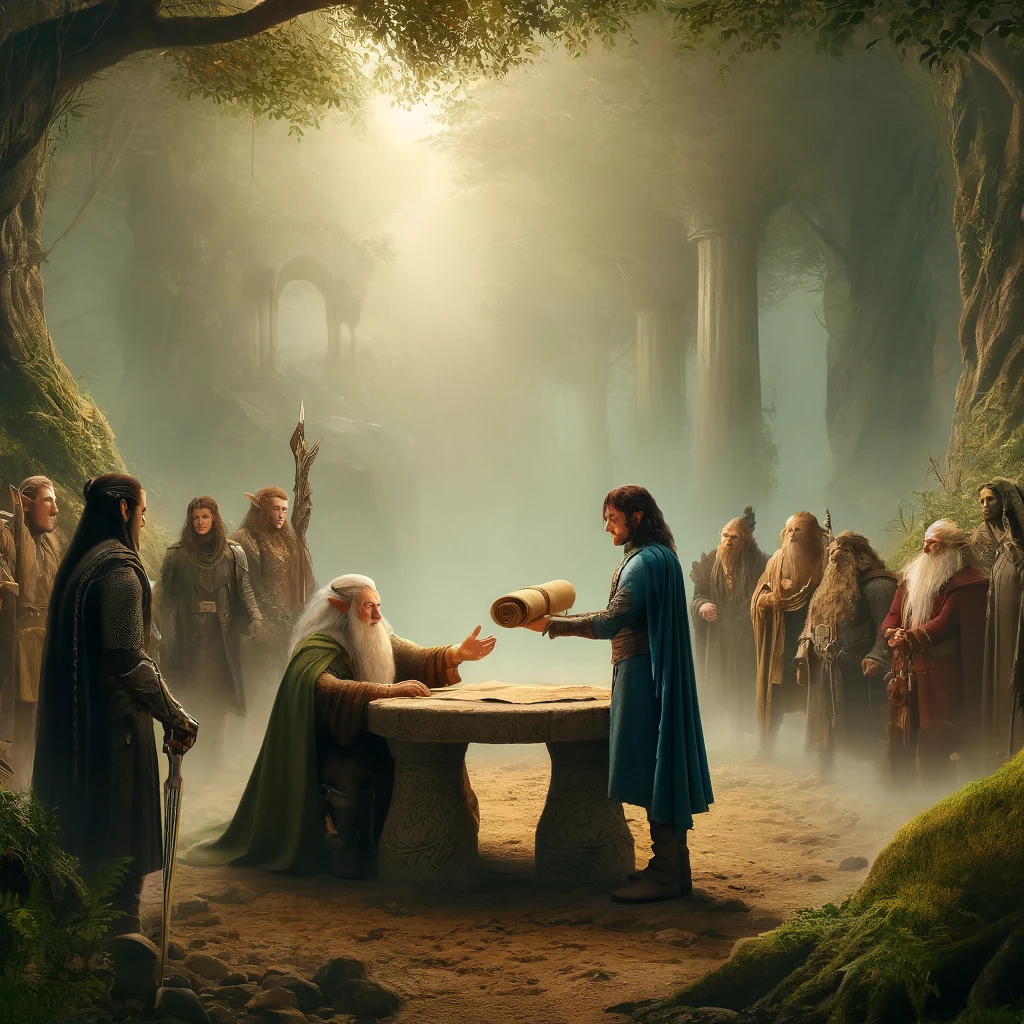
- Trust and delegation:
Example: Gandalf trusts Frodo to carry the ring to Mordor, a powerful act of delegating responsibility.
Business application: Trust your team and delegate the big tasks. Trust empowers your people, raises their engagement and lifts their performance.
- The power of perseverance and commitment:
Example: Against almost impossible odds, the characters stick to their mission, committed to their goal.
Business application: Foster an environment where commitment and perseverance are core values. Recognize and celebrate your team's dedication and wins to keep motivation high.

These lessons, drawn from the "The Lord of the Rings" trilogy, aren't just useful in a business context, they can also help you build more effective leadership and more cohesive, resilient teams.
There are plenty of striking scenes and sequences, but if I have to pick one, it's the Battle of Helm's Deep.

One of the most epic scenes in the "The Lord of the Rings" trilogy, and one that can have a huge impact on business culture, is the Battle of Helm's Deep, specifically the moment when King Théoden and his men are on the brink of defeat and Gandalf arrives at dawn with the riders of Rohan to turn the tide. The scene isn't just visually stunning, it's packed with lessons on leadership and strategy.
Applications in business culture:
- Leadership in moments of crisis: The scene shows how vital a leader's resilience and courage are in the toughest moments. Théoden, discouraged at first, rises to lead his people into battle. In business, leaders have to show courage and resolve, staying calm and focused even under extreme pressure, inspiring confidence and stability across their teams.
- The importance of support and collaboration: The arrival of Gandalf and the riders of Rohan highlights the value of having reliable allies and the importance of teamwork and strategic collaboration. In business, forging strategic alliances can provide extra resources and support in critical moments, letting organizations overcome challenges that would be impossible to face alone.
- Planning and strategy: Gandalf had planned his arrival at dawn, proving the importance of strategy and planning ahead. In a business context, strategic planning and tactical execution are essential to success, especially when you're up against adversity or fierce competition.
- Hope and motivation: The scene also symbolizes hope and the ability to motivate others to keep fighting against the odds. A leader's ability to keep morale high and motivate the team is crucial in the business world, where morale can dictate the team's overall productivity and commitment.
The Battle of Helm's Deep, then, isn't just a thrilling sequence from a cinematic standpoint, it also offers powerful metaphors for leadership, strategy, alliances and resilience in the business world.
Finally, I wanted to share this video that lays out, in a really interesting way, 9 types of leadership through the lens of The Lord of the Rings.
The source: https://majorleagueuniversity.com/