Between the Lines of Leadership · A Headhunter's Picks (12)
In our constant hunt for tools and resources that make us better at leading projects, it's impossible not to mention the priceless contribution of the podcast "Coaching for Leaders" by Dr. Dave Stachowiak.
This resource has become a cornerstone for a lot of us in the leadership space. It offers free access to a huge library of knowledge through its website Coaching for Leaders, plus a community to learn and grow with.
For those of us who've made a habit of feeding our personal and professional growth through podcasts, "Coaching for Leaders" is a can't-miss pick. What sets it apart is how it packs powerful lessons and deep conversations into episodes that rarely run more than 30 minutes. Each one is carefully built to deliver maximum value, zeroing in on specific topics and bringing in top-tier guests who add unique perspectives and practical solutions to the everyday challenges of leadership.
With an impressive library of nearly 700 episodes, it's clear I still have plenty left to discover. But out of everything I've had the pleasure of hearing, there are a few gems of wisdom that really hit home for me, and I feel I have to share them with you. These standout episodes, picked for their relevance and impact, will be covered in detail in this newsletter and future ones, giving all of us a steady source of inspiration and learning on the road to more effective, more conscious leadership.
I invite each of you to explore "Coaching for Leaders", to dive into its episodes and use this resource as a way to reflect on our own leadership practices, to draw inspiration from other people's success stories, and to find practical solutions to the challenges we face day to day. This podcast isn't just a tool for personal development, it's a companion on the journey toward exceptional leadership.

Picking out specific episodes from Dave Stachowiak's "Coaching for Leaders" is tough, given how varied and deep the topics are. That said, there are a few episodes that have really landed with the audience, covering key areas of leadership like effective communication, team development, change management and ethical leadership. Here's a selection of standout episodes, based on their themes and the impact they can have on your growth as a leader:
- Effective Communication: The episodes about sharpening your communication skills are crucial, since communication is at the heart of every part of leadership. Look for the ones that dig into active listening techniques, how to give and receive constructive feedback, and strategies for communicating clearly across diverse settings.
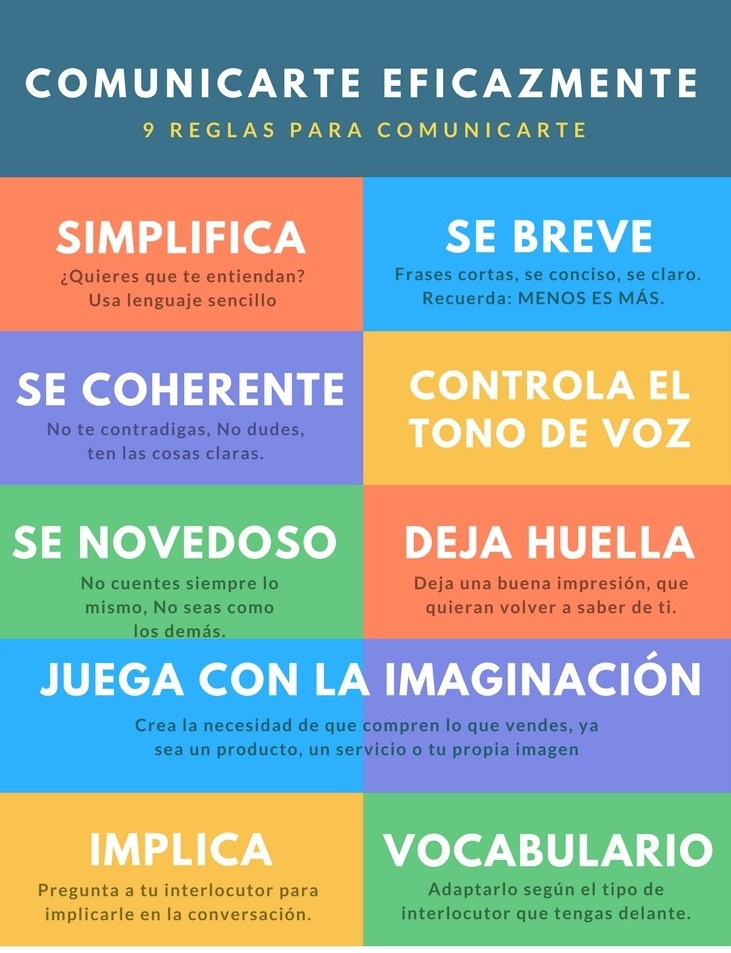
https://www.aroagranadospsicologia.com/post/comunica-eficazmente-9-reglas-para-comunicarte-mejor
- Team Development: The episodes focused on team development offer valuable lessons on how to foster a collaborative work environment, promote diversity and inclusion, and build resilient teams. They're especially useful for leaders looking to improve team cohesion and create a setting where everyone can thrive.
- Change Management: In a world that's changing fast, the ability to manage change effectively matters more than ever. The episodes that tackle this will help you understand how to lead through uncertainty, how to communicate change to your team, and how to keep your people motivated and focused on long-term goals during periods of transition.
- Ethical and Empathetic Leadership: Leadership goes well beyond just hitting targets and goals. The episodes that explore ethical leadership and empathy are essential for understanding how your actions and interactions affect others, and how you can lead in a way that respects and values every member of your team.
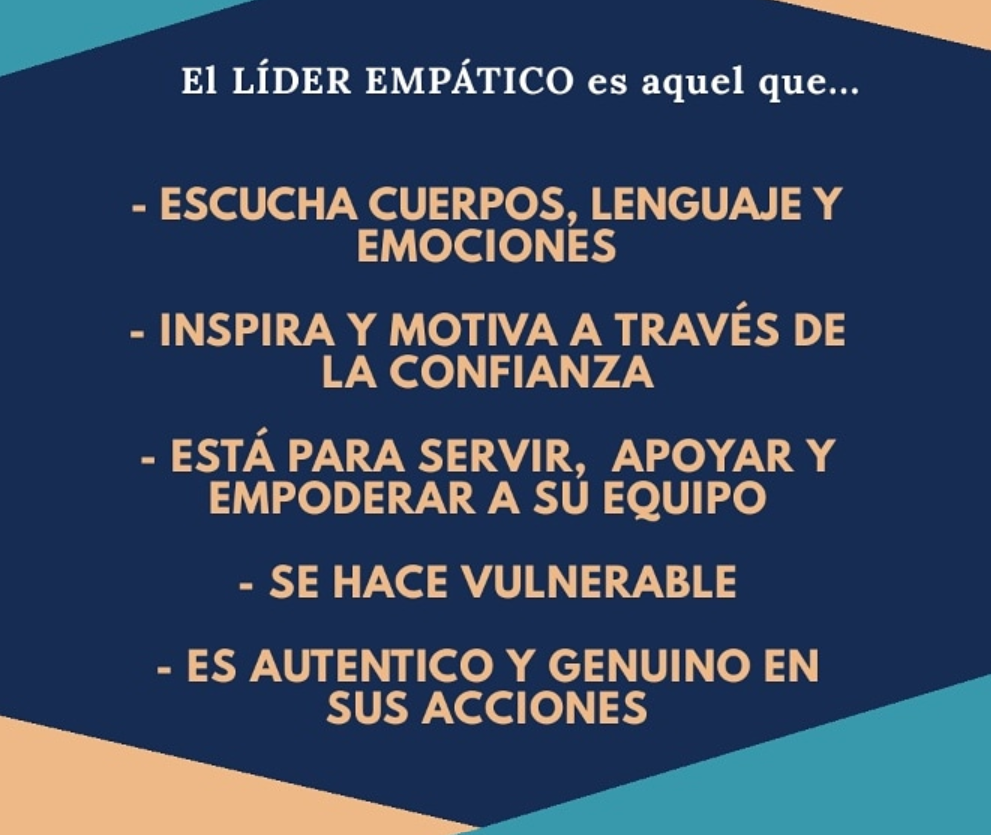
http://rmc2.com.co/2019/11/19/el-lider-empatico-es-aquel-que/
I'd like to call out one episode that really resonated, though I wouldn't go so far as to say it's the best, since every one of them adds something to our understanding of the "infinite game" concept and the importance of cultivating a mindset of collaboration over competition. This episode captures and expands on a lot of the themes we've explored in earlier editions, tackling the idea that we go further when we play together, not against each other. While there are plenty of episodes worth highlighting for their valuable lessons, I think this one is a great starting point for digging deeper into our discussion and reflection on how to embrace a more inclusive, more sustainable vision of success.
481: How Great Teams Find Purpose, with David Burkus
In episode 481, "How Great Teams Find Purpose", David Burkus highlights how exceptional teams discover and align around a shared purpose, boosting their cohesion, motivation and effectiveness in the process. Burkus offers practical strategies for building that connection and unity.
Burkus suggests that when an organization aims its strategy and energy mainly at "the war against competitors", it can backfire. That war-against-the-competition mindset puts the focus outward, on rivals, instead of inward, on innovation and value for customers and employees. Obsessing over competitors can pull resources and attention away from what really matters: building a positive culture, innovating and meeting customer needs.
He makes the case for an approach that cultivates collaboration, open innovation and a market- and customer-focused orientation, rather than feeding an "us versus them" mentality. That doesn't mean ignoring the competition, it means recognizing that real progress and long-term success come from looking inward, understanding and deploying the organization's unique strengths, and staying focused on creating sustainable value.

(if you've listened to episode 481 all the way to the end, this'll make sense ;))
In short, the core idea is that an obsession with the competition can be damaging, pulling attention away from what actually drives business success: customer-focused innovation, employee satisfaction and the development of strong organizational cultures.
In future editions of the newsletter we'll probably dig deeper into other episodes of "Coaching for Leaders".