Between the Lines of Leadership · A Headhunter's Picks (33)
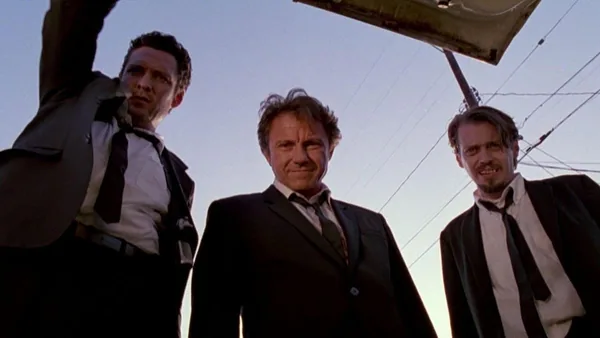
In this second and final installment, we keep digging into the fascinating world of Reservoir Dogs and what it can teach us about leadership through its characters. Today we zero in on two key figures who give us radically different takes on loyalty and pragmatism: Mr. Pink and Mr. Blonde.

Mr Pink
Mr. Pink: Pragmatism Over Blind Loyalty If part one was about Mr. White's loyalty, today we turn to a character who plays it completely differently: Mr. Pink. From the very start, Mr. Pink makes his view crystal clear: loyalty isn't something you just assume, it's something that has to be earned. His pragmatic approach teaches us that questioning what's around you is a crucial leadership skill.
In business, loyalty doesn't always mean blindly following a strategy or a team. Sometimes it means having the guts to ask hard questions and challenge the status quo when you have to. Mr. Pink's ability to keep his logic intact, even in the middle of the chaos, is a reminder that pragmatism can save us when uncertainty hits.
Practical takeaway:
- Build a culture where critical thinking is valued and dissenting ideas are welcome.
- Be transparent with your team about the reasons behind tough decisions or shifts in strategy.

Mr Blonde
Mr. Blonde: The Power of Control... or the Lack of It Another key character in the film is Mr. Blonde, whose loyalty to his boss is unshakable, but whose lack of self-control turns him into a tragic figure. Mr. Blonde shows us how blind loyalty, mixed with impulsiveness, can lead to destructive outcomes, not just for himself but for the whole team.
In leadership, loyalty has to come with emotional control. Without it, impulsive decisions can blow up everything you've built. Staying calm, even under extreme pressure, is a vital quality in a good leader.
Practical takeaway:
- Develop your emotional intelligence so you can handle stressful situations effectively.
- Foster a workplace where decisions are made calmly and thoughtfully, even in the middle of a crisis.
The Showdown: When Loyalty and Reality Collide As the film barrels toward its inevitable ending, we run into an uncomfortable truth: the characters' loyalties start to crack the moment they're confronted with betrayal. Mr. White, Mr. Pink and Mr. Blonde get trapped in a dilemma where the trust they placed in each other begins to fall apart.
In leadership, it's no different. What happens when you trust your team and that trust is betrayed? This is the hardest moment for any leader: when loyalties are put to the test and you have to make tough calls that can change the fate of your organization.
The final lesson of Reservoir Dogs is that loyalty, as crucial as it is, has its limits. As a leader, you have to balance trust in your team with a healthy dose of pragmatism and emotional control. Because in the end, what's at stake is far more than loyalty: it's your organization's ability to survive and thrive in the middle of chaos.
Final thought, Reservoir Dogs leaves us with a powerful leadership lesson: loyalty is fundamental, but it can't be blind. Pragmatism and self-control are just as essential for making smart decisions under pressure. As a CEO, you'll face moments where loyalty and reality collide, and your ability to adapt is what'll make the difference between success and failure.

Bonus Track: Leading in chaos: hidden lessons from the orchestra conductor
Just as Quentin Tarantino shows us tension and leadership under pressure in Reservoir Dogs, the orchestra conductor also faces chaos and harmony at the same time. In @Itay Talgam's TED talk "Lead Like the Great Conductors", we learn how a good leader guides without imposing, letting their team (or their orchestra) flow creatively under their direction, controlling the chaos without smothering it.
You don't need a rigid world of rules, but a culture of coexistence that chases excellence, exactly what we do at W Executive España .
Talgam explores how the great conductors lead with subtlety, drawing out the best version of their team.