Between the Lines of Leadership · A Headhunter's Picks (22)
For this edition I want to take a different angle. Instead of reaching for a book, a film or some other resource, let me share a personal experience.
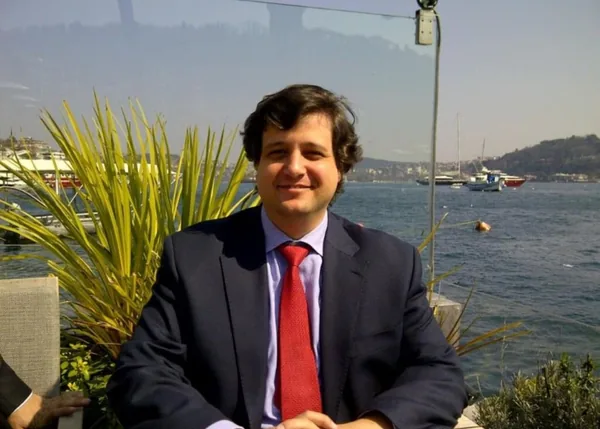
Back in 2012, I got the chance to join my first executive committee, and it threw me completely out of my comfort zone. This happened in Istanbul, Turkey, and it didn't just mean debuting on a committee at 32, it meant doing it in a cultural and linguistic context that was totally foreign to me.
Luckily, I had great mentors who pointed me in the right direction (and in the spirit of the "infinite game", today I want to thank Nicolas Buisson for betting on me on that project). It was also the seed of W Executive España, since it's where I met a great mentor in Pietro Valdes (now CEO of W Executive Italy).
One of the things they told me was to watch and take notes on everything before demanding, calling anyone out, or even suggesting a single change. After a few months, once the team started to recognize me, I could nudge things gently, leaning on the trust and respect I'd earned. I'll always remember how they framed that observation period: "Write everything down, but for three months NEVER say a word until you've earned their trust by adapting to their culture. Even if you see someone setting the office on fire, stay calm, jot it down, and bring it up in a future feedback session." It was an exaggeration, of course, but that strategy let me observe and analyze before acting.
Another critical piece was keeping humility dialed all the way up, understanding that the order and the rules can be different from what you're used to. On top of that, showing genuine interest in their culture was key, which is why I started taking Turkish lessons. That extra effort to be empathetic and actually walk in other people's shoes, even when they were very different from me, turned out to be essential.
The most powerful part of the whole experience was seeing how, in a truly diverse and mixed environment, you can still find shared values and shared goals. That diversity widens the field of possibilities and stacks the odds of real success in your favor.
As I like to do in every edition, I'll leave you with a "playbook" you can act on. In this case, here's what I'd suggest for anyone about to become an expat and ready to lead a team whose culture or approach is different from their own:
1. Observation and Patience: Before you roll out any change, you have to observe and understand the environment. Take the time you need to learn the team dynamics and the local culture. That observation phase lets you spot the strengths and the areas to improve without jumping to premature conclusions.
2. Cultural Learning: It's essential to show genuine interest in the local culture. Learning the language and understanding the customs and values of the country you've moved to helps you integrate better and earn the team's trust and respect. That effort shows your commitment and your respect for the new culture.
3. Humility and Adaptability: Leading in a culturally diverse environment takes a lot of humility. Accept that you don't have all the answers and that you can learn plenty from your team. Be adaptable and open to new ways of working and thinking. Flexibility is the key to success in an international context.
4. Effective Communication: Clear, effective communication matters everywhere, but it matters even more in a multicultural setting. Make sure your messages land the way you intended and stay aware of possible language and cultural barriers. Foster an environment where everyone feels comfortable sharing their ideas and concerns.
5. Empathy and Building Trust: Empathy is vital for understanding your team's perspectives and needs. Putting yourself in other people's shoes lets you create an inclusive, respectful workplace. Trust gets built through consistent actions and leadership rooted in mutual respect and understanding.
I can't bring myself to close this edition without a video 😊 so I'd recommend this clip, under 2 minutes, from Simon Sinek (I've shared about him in other editions https://shre.ink/DyPL, the importance of the "WHY").
In the video, Simon Sinek highlights the role of curiosity in diverse teams. He explains that curiosity pushes team members to explore and understand the differences between them. That openness and desire to learn about each other fosters an environment where unique perspectives are valued, which strengthens collaboration and innovation. Curiosity also helps break down cultural barriers and build stronger relationships inside the team, and that translates into better collective performance.
To close, it's crucial to point out that whoever strikes a balance between the personal and the professional holds a big advantage. In my case, I was fortunate to have the unconditional support of my girlfriend, who is now my wife. She didn't hesitate, she moved to Istanbul with me and made everything easier in a demanding environment. Her presence and support were fundamental to taking on that challenge, and proof that professional success is also built on a solid personal foundation. THANK YOU SO MUCH Mónica López de Lemos Guitart