
Between the Lines of Leadership · A Headhunter's Picks (52)
No rules, but plenty of judgment
What Netflix and Baltasar Gracián can teach us about culture, freedom and responsible leadership.
"Acting with prudence is the highest form of human wisdom.", Baltasar Gracián
📚 A summer read with real depth
A few months ago I finally got around to reading No Rules Rules, the book where Reed Hastings (Netflix's founder) tells the story of how they built a radically different culture: no rigid hierarchies, no pointless rules… but a relentless focus on performance.
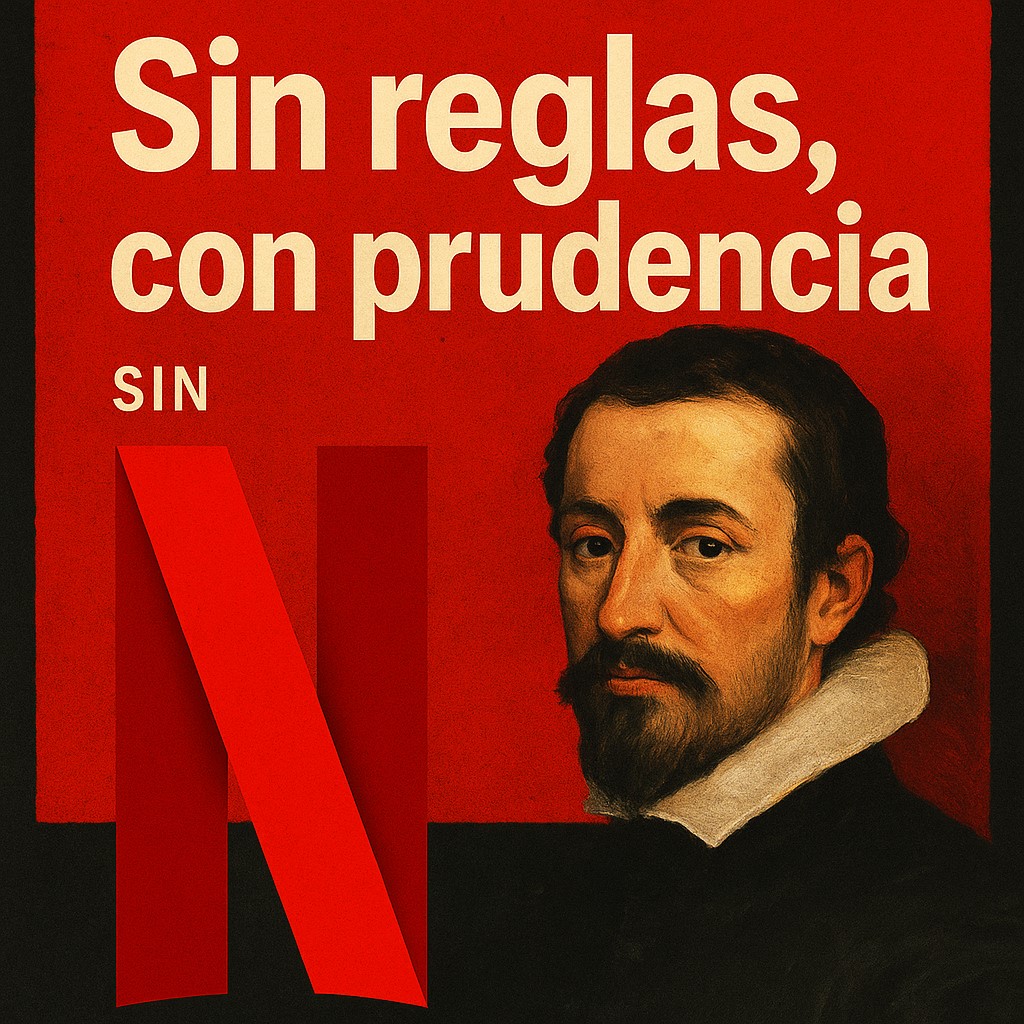
Honest take: I loved it. Mostly because it lines up with what we're trying to build at W Executive España A culture of our own, demanding, built on trust and freedom.
That said, it's not a model for everyone. It wouldn't fit a factory or a public agency. But in creative or professional-services environments, where talent is the main asset, it makes a ton of sense.
Still, as I was reading it, I kept noticing something: a culture this bold needs balance.
And for that, there's nothing better than going back to the classics.
We've said it before in earlier editions: sometimes, to understand the future you have to read the people who saw it coming centuries ago. In this case, Baltasar Gracián, with his Art of Worldly Wisdom, (Chapter 4 of Cultivating Talent) gives us a sharp take on how to make decisions with judgment, lead with strategy and act with intention.
Both books are, in my view, an excellent pair for the summer: one shakes you up; the other centers you. One invites you to reinvent everything; the other, to not lose yourself in the attempt.
1. Freedom and responsibility ≠ a free-for-all
"Grasp too much, and you hold on to little.", Gracián "Control is for the mediocre. Hire the best and give them freedom.", Netflix
Netflix scrapped the traditional policies: unlimited vacation, free spending as long as it's "in the company's best interest", decisions without sign-off from above. But here's the catch: no rules, but there are consequences. People know that if their judgment fails, there's no second chance.
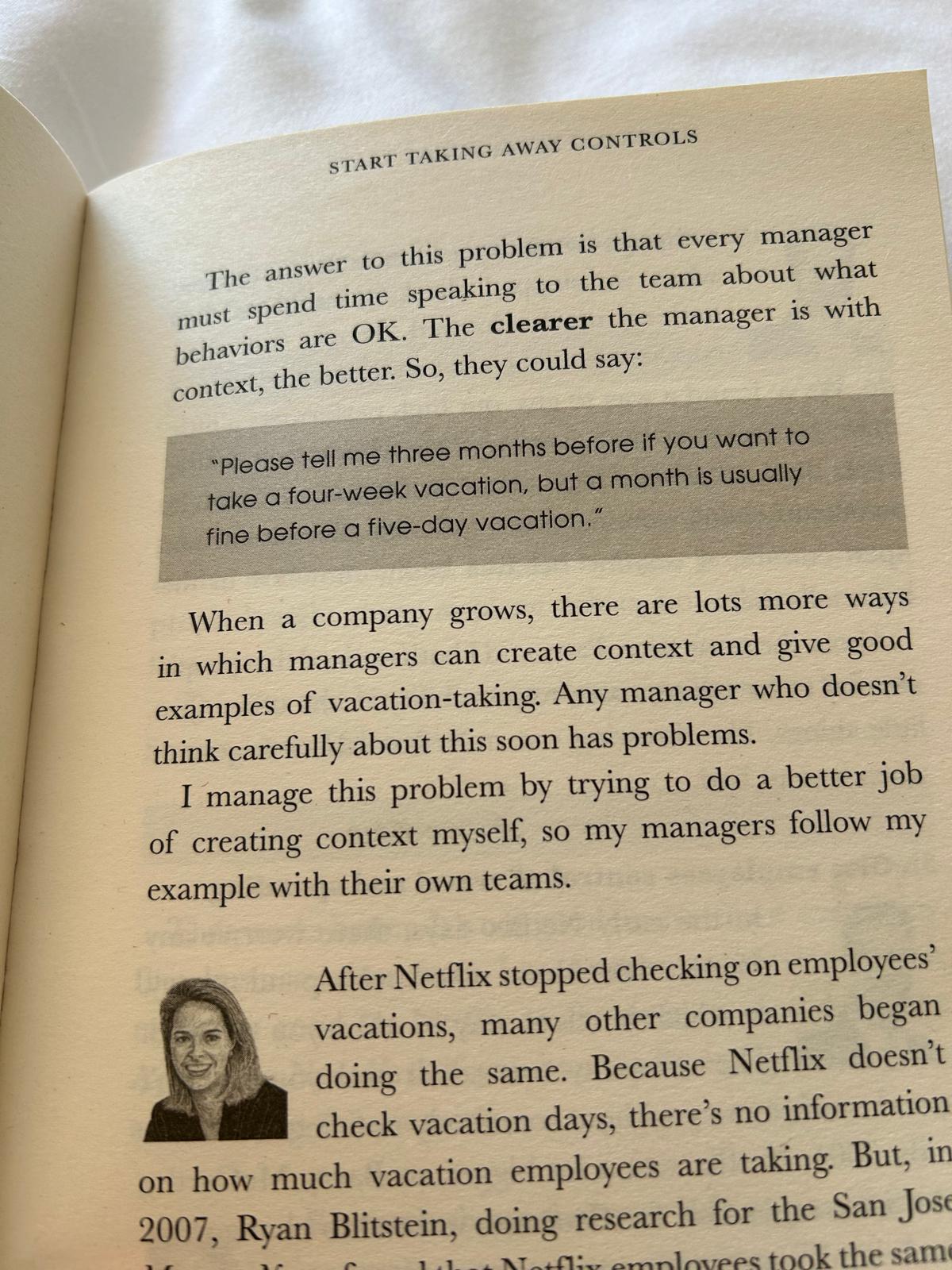
Here I love the example of what the framework for requesting vacation might look like.
Gracián would have gotten it:
"Excellence isn't improvised. It's chosen and cultivated."
Where Netflix says "trust your people", Gracián answers: "choose well who you trust". Both believe in freedom, but Gracián adds the nuance: freedom without prudence is recklessness.
🧭 How to put it to work:
- Give your team real autonomy, but make sure they understand the decision-making framework.
- Double down on training judgment, not just skills.
- Remember: not everyone is ready for freedom. Help them get there.
2. Radical candor, yes, but with craft
"Always tell the truth. Even when it hurts.", Netflix "Knowing when to stay silent matters as much as knowing how to speak.", Gracián
Netflix encourages an environment where everyone gives everyone feedback, regardless of rank. Brutal honesty is a value. The risk? That honesty gets mistaken for a lack of empathy.
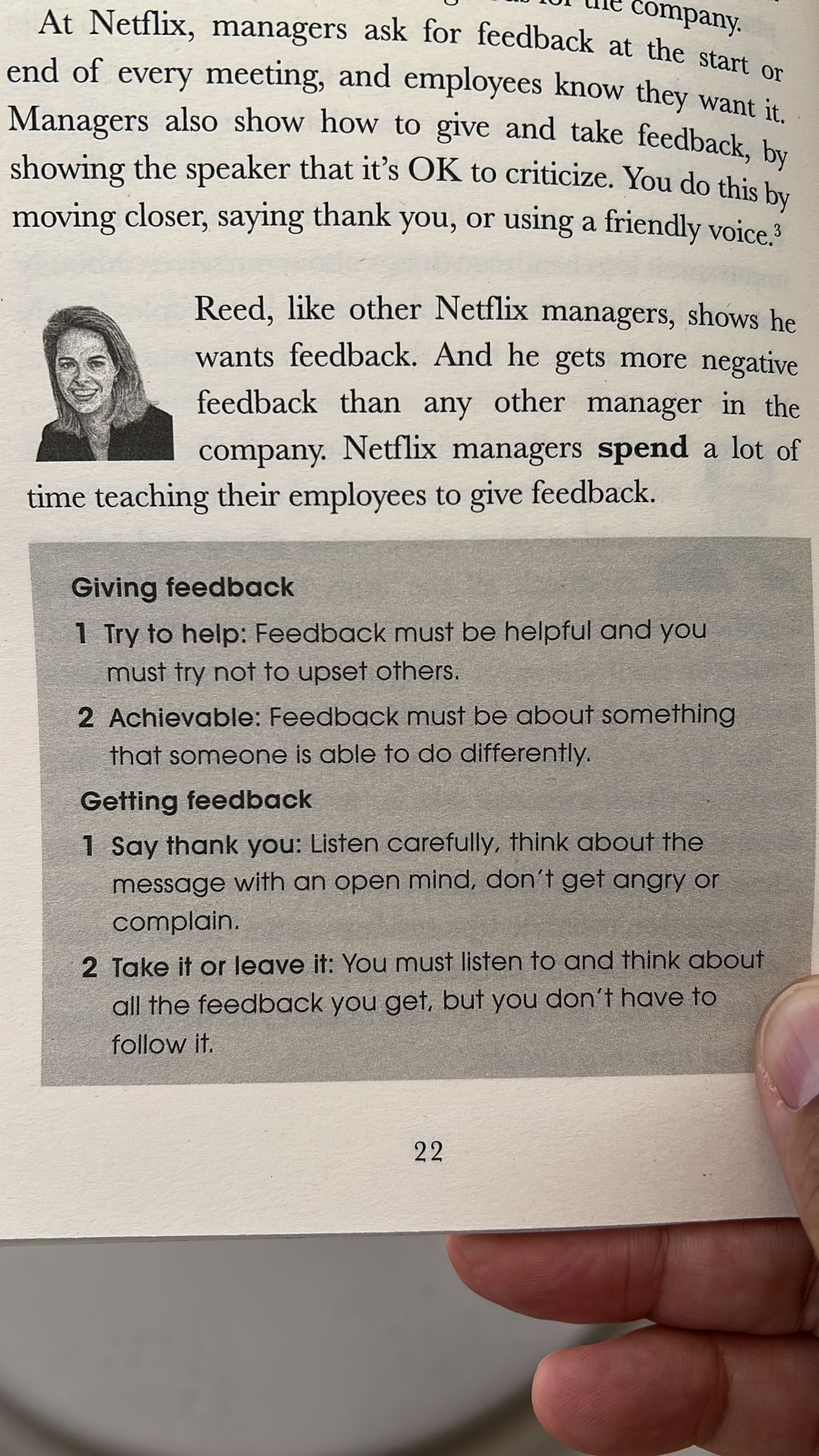
Gracián was clear on this:
"Truth doesn't sin, but it does sting. Even more so when it's told without craft."
This is where the Baroque teaches Silicon Valley a lesson: it's not what you say, it's how and when you say it. Because feedback is there to help people improve, not to show off your superiority.
🧭 How to put it to work:
- Encourage open criticism, but set ground rules for respect and tone.
- Lead by example: start by asking for feedback with humility.
- Train your team in constructive feedback: clarity without cruelty.
3. Leading without controlling isn't leading without thinking
"Lead with context, not control.", Netflix. At W we firmly believe in setting a framework with room for professionals with good judgment to act and grow. "The greatest power is delegating with judgment.", Gracián
Netflix puts the emphasis on decentralization: the closer to the problem, the better the decision. For that, every person needs to understand the full picture.
Reed Hastings puts it this way: "Give them the context. The rest is their job."
Gracián would add:
"The wise don't do everything themselves; they get things done." "Delegating isn't giving up power, it's multiplying it."
Delegating isn't letting go. It's choosing well, preparing and walking alongside. Netflix builds trust with information. Gracián, with judgment.
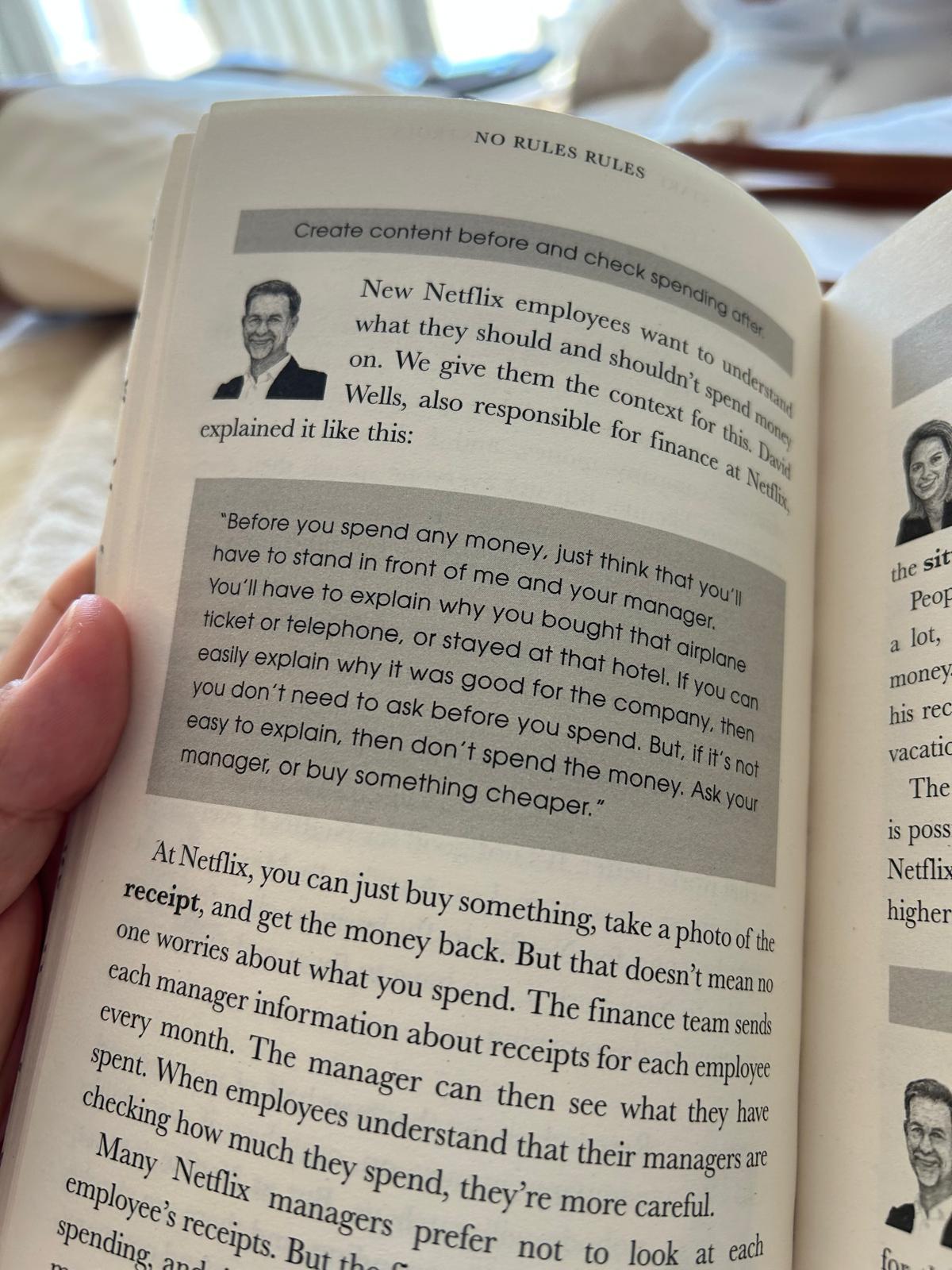
I love this idea for managing expenses.
🧭 How to put it to work:
- Are you a gardener leader or a firefighter boss?
- Cultivate, don't put out fires.
- Next time you feel the urge to control, ask yourself: did I give them the context, or just the order?
🧩 Can you lead without rules, but with prudence?
Bottom line, what Netflix proposes isn't anarchy, it's responsibility without bureaucracy. But for it to work, you need a team with judgment, character and the ability to decide well without someone spelling out every step.
That's where Gracián's brilliance comes in:
"The wise don't do more things, they do them better. And they know when not to do them at all."
So yes: freedom, but with judgment. Candor, of course. But with craft. Autonomy, too. But with context.
📌 Do you dare to lead without rules… but with prudence? 📌 In your culture, is there room for responsible freedom, or do you still lean on control to keep things running?
Two books, two eras, one and the same lesson: Real culture isn't imposed. It's cultivated.