Between the Lines of Leadership · A Headhunter's Picks (57)
To lead is to dare
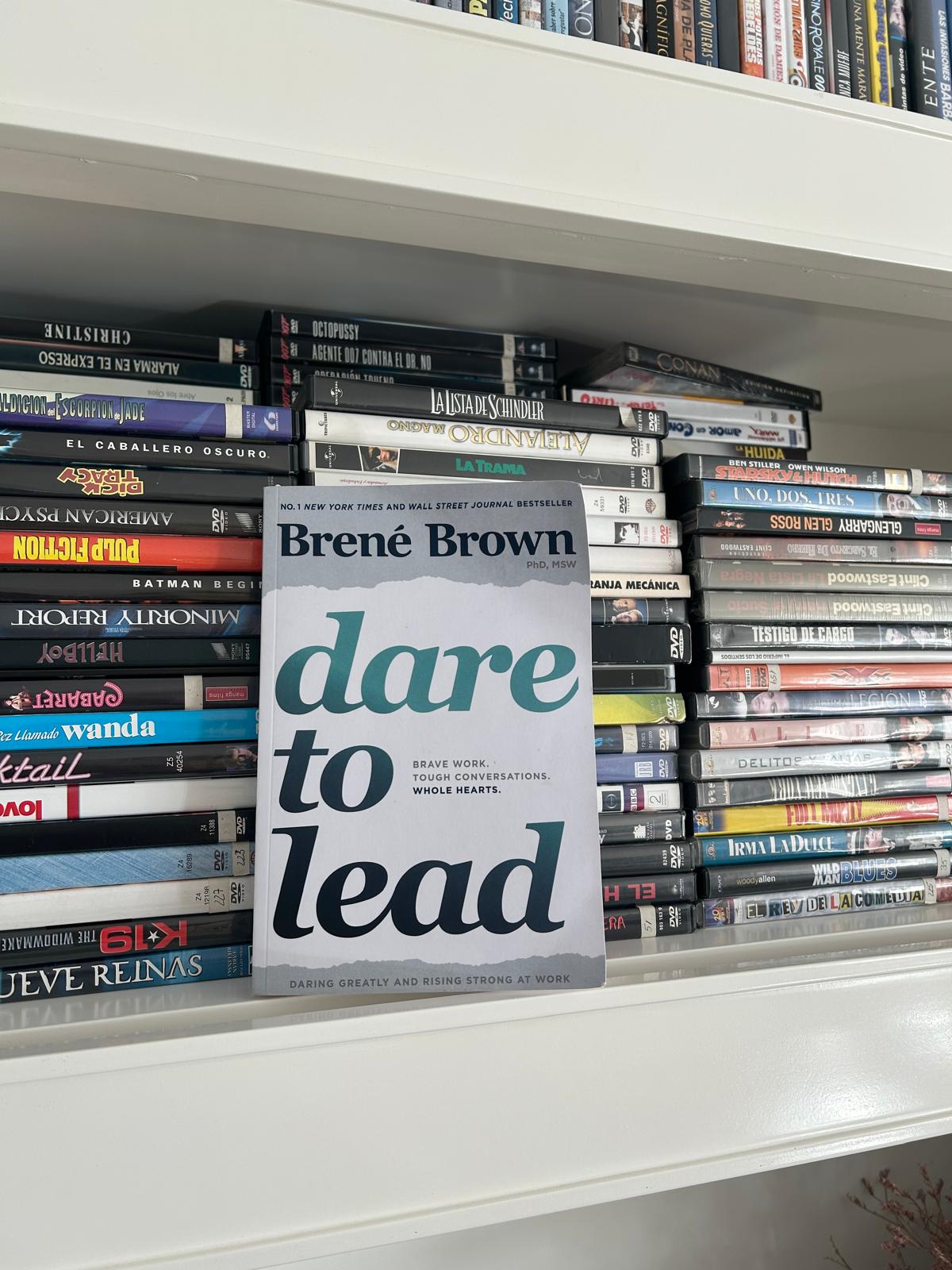
Some books aren't read, they're lived through. Dare to Lead, by Brené Brown , is one of them. Not because it hands you fancy leadership techniques, but because it forces you to look in the mirror. And sometimes, leading is exactly that: daring to see yourself with no filter.
We've spent years talking about purpose, culture, engagement and talent, but here's the truth: the real gap between a company that attracts talent and one that drives it away isn't the salary or the nice office, it's the kind of leadership being practiced. Leadership isn't a title, it's an emotional space you build out of courage, empathy and human connection.
And that's exactly what Dare to Lead reminds us.
Vulnerability isn't weakness, it's courage
Brown defines vulnerability as the ability to show up as you really are, with no guarantee of the outcome. Being vulnerable isn't being weak, it's daring to be authentic when there's no safety net.
In a corporate world that worships control, predictability and perfection, vulnerability has turned countercultural. But that's the secret: there's no empathy without vulnerability. And without empathy, there's no leadership worthy of the name.
I've seen it again and again at W Executive España : the leaders who truly cultivate talent are the ones who show up human. The ones who admit they don't have all the answers, who ask for help, who say thank you, who listen. Not the ones who pretend to be made of stone.
Brave leadership starts with emotions you actually manage
In Dare to Lead, the author hammers on something we often overlook in the talent world: you can't lead well if you can't manage your own emotions. And that doesn't mean bottling them up, it means recognizing them, understanding them and channeling them. She calls it emotional resilience, and she names it the superpower of the 21st century.
In uncertain times, that resilience isn't a soft skill, it's a shield. The leader who bounces back fast after a hit, who lets themselves feel but doesn't sink, who stays generous even when they're worn out… that's the one who inspires.
Because people don't follow whoever shouts the loudest, they follow whoever stays standing without losing their cool.
Empathy and connection: the real point of leadership
Connection, Brown argues, is the reason we're here. Not to manage, not to control, not to measure, but to connect. And connecting takes three ingredients: honesty, trust and empathy.
When someone tells you "I feel heard," they're not praising your hearing, they're acknowledging your humanity. And in an era of metrics, dashboards and algorithms, that's the rarest and most valuable asset there is.
That's why Cultivating Talent isn't about retaining or convincing. It's about building real relationships, where people feel they can be themselves, that they're respected and that their contribution means something. There's no engagement without emotion. And no emotion without empathy.
The BRAVING model: trust as an operating system
One of the most powerful frameworks in the book is the BRAVING model, seven behaviors that define trust:
Boundaries, Respect the limits. Reliability, Do what you said you'd do. Accountability, Own your responsibility. Vault, Keep what's confidential confidential. Integrity, Act on your values. Non-judgement, Listen without judging. Generosity, Assume the best intent in others.
When an organization adopts this model, the way it communicates changes. Giving feedback becomes an act of respect, not judgment. And trust stops being a word and becomes a practice.
Brave feedback, rooted in humanity
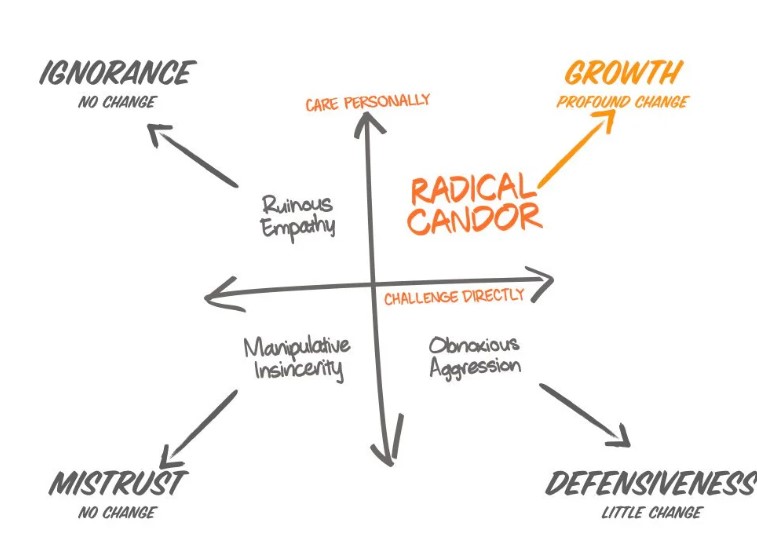
This is where Dare to Lead meets Radical Candor, another book I've quoted plenty. Kim Scott lays out a matrix with two axes: Care Personally and Challenge Directly. Real leadership lives in that quadrant where you care about the person and you also push them to grow.
There's nothing more honest than telling someone the truth with respect. Feedback isn't a critique, it's a gesture of trust: I'm telling you this because I believe in you. And in times when candor disguises itself as aggression or hides behind silence, that mix of courage and empathy is what sets you apart.
(if you want to dig deeper into this, I'd point you to this other newsletter https://www.linkedin.com/pulse/la-importancia-del-feedback-en-el-crecimiento-manuel-soriano-lluif/?trackingId=ahbNrNgcSSijtn0EXZfTdA%3D%3D )
Resilience and action: the two muscles of the modern leader
Brown insists that leadership isn't measured by ideas, but by meaningful action. Making imperfect but brave decisions beats waiting forever for perfection. Perfectionism paralyzes; action builds. And resilience lets you learn and try again.
The leader who acts, gets it wrong and corrects course is far more inspiring than the one who never dares. Because they show that progress matters more than appearances.
Leading with roots: the cypress of Silos
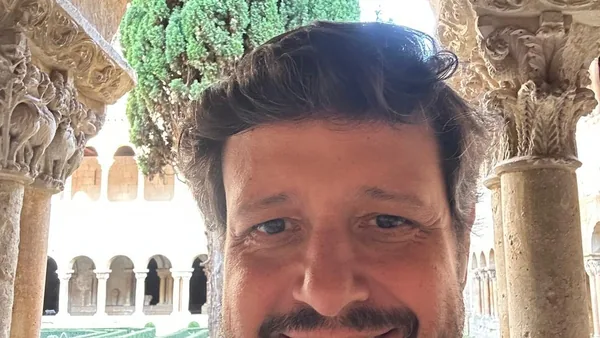
A few days ago I visited Silos. Walking through a place that has held its structure and its purpose for centuries leaves a mark. Inside the monastery walls, the silence weighs on you and teaches you something. And in the middle of the cloister, a cypress that has stood for over a hundred years becomes a visual lesson in what it means to cultivate.
A tree that grows slowly, but firm. That adapts to the climate, the seasons and the passing of time without losing its uprightness. That cypress is, in a way, a metaphor for leadership: roots, patience, consistency and purpose. They planted it decades ago without knowing who'd enjoy its shade, and that's exactly what good leaders do: they build today with tomorrow in mind.
(In the photo with this newsletter, you'll see that cypress. A perfect symbol of what it means to cultivate talent with long roots and an eye on the future.)

Passion and purpose as your compass
Passion isn't just enthusiasm: it's the energy that keeps your purpose aligned. In Dare to Lead, the author sums it up in one simple line: "People will forget what you said, they'll forget what you did, but they'll never forget how you made them feel."
That's purpose. Not a line on a wall, but the emotional mark you leave on others. And that's what truly attracts and retains talent. Because people aren't looking for bosses, they're looking for causes. And a company with purpose is, at its core, a community of people who look out for each other, push each other and grow together.
Values aren't spoken, they're lived
Brown puts it bluntly: "If you don't live your values, you don't have values."
Values are the reference point for every decision. And when leaders embody them -integrity, generosity, flexibility- everyone else follows suit. Culture isn't communicated, it's caught.
That's why at W Executive we always insist: we can't cultivate talent unless we cultivate consistency first. People follow examples, not speeches.
To lead is to dare
Leading today isn't about having answers, it's about asking questions. It isn't about faking strength, it's about showing humanity. And it isn't about talking louder, it's about listening deeper.
In a market where everyone's chasing talent, the difference is no longer in the what, but in the how: how you make your team feel, how you give feedback, how you manage emotions, how you let yourself be vulnerable.
Because in the end, cultivating talent is daring to lead with your heart at the center and consistency as your compass.