
Between the Lines of Leadership · A Headhunter's Picks (21)
In this edition I want to dig into the difference between a weak leader and a vulnerable one, because the two get mixed up more often than you'd think. Being vulnerable is all about trust (go back to that earlier edition on "Speed of Trust" https://tinyurl.com/2s9su8d9). Without vulnerability there's no way to hit the speed of trust. But that vulnerability has to come paired with leadership, because on its own it doesn't get you anywhere.
And in an era where AI and "robots" are creeping further into our day-to-day, this kind of vulnerable leadership is exactly what can set us apart from the machines and deliver the added value that's going to be a lot harder to automate.
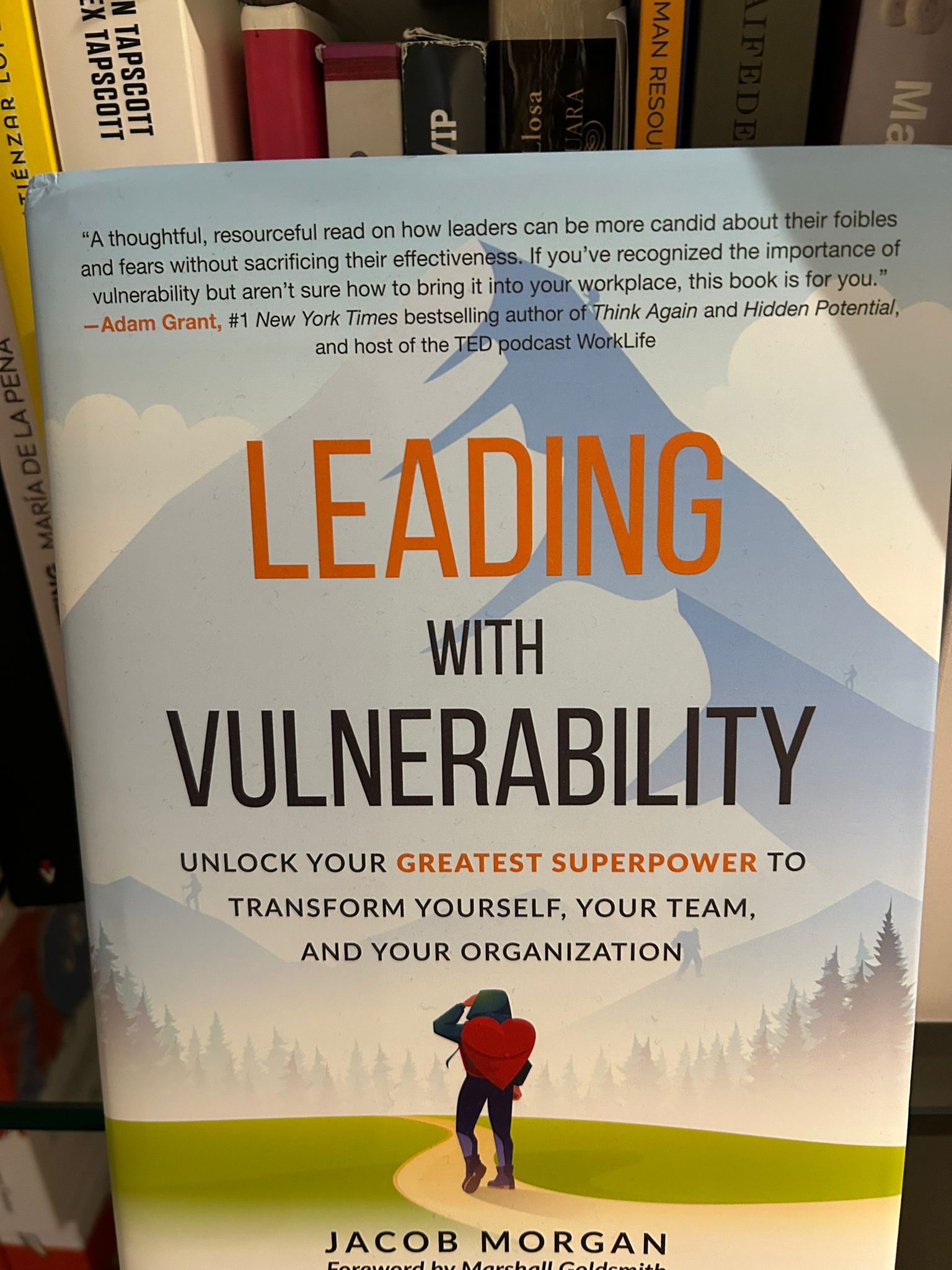
The book Leading with Vulnerability
We need leaders who are obviously good at their job and who can also connect with their teams (and that's what vulnerability buys you). Being vulnerable without the chops to lead just makes you a worse leader, so the two always have to go together to build these vulnerable leaders.
That's why I want to share another great book by Jacob Morgan (check out the earlier edition, Winning in the Age of Talent: https://tinyurl.com/28knwb25): "Leading With Vulnerability, unlock your greatest superpower to transform yourself, your team, and your organization".
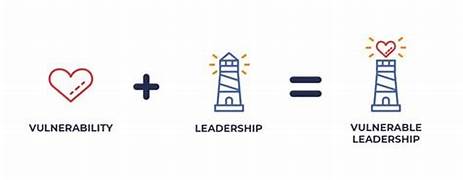
"Leading with Vulnerability" by Jacob Morgan lays out several key points you can put to work in a company that values culture and working with good people. Here are the most relevant ones and how to bring them into an organization:
1. Encourage Authenticity
Authenticity in leadership helps build trust and genuine relationships.
How to apply it: Leaders need to be transparent about their strengths and weaknesses. You can get there through regular feedback sessions where everyone, leaders included, shares their experiences and personal challenges.
2. Create a Safe Space for Vulnerability
A safe environment lets people feel comfortable sharing their ideas and concerns.
How to apply it: Put open-door policies in place and make sure every opinion is valued. Setting up anonymous feedback channels can help people speak up without fear.
3. Promote Empathy
Empathy is crucial for understanding and supporting people when they need it most.
How to apply it: Train leaders in active listening and empathy. Run team-building activities that let people get to know their colleagues on a personal level.
4. Encourage Collaboration
Collaboration boosts creativity and problem-solving.
How to apply it: Build collaborative workspaces and use digital tools that make teamwork easier. Recognize and reward team wins, not just individual ones.
5. Acknowledge and Celebrate Vulnerability
Acknowledging it when someone shows vulnerability can strengthen the whole culture.
How to apply it: Set up awards or recognition for people who show the courage to be vulnerable. Sharing stories of vulnerability and growth in company meetings can inspire others to do the same.
6. Lead with Humility
Humility in leadership means owning your mistakes and learning from them.
How to apply it: Leaders should model humility by admitting their own mistakes openly and showing how they're learning and growing from them. Build a culture where failure is seen as a chance to learn.
7. Develop Emotional Intelligence
Emotional intelligence lets leaders manage their own emotions, and other people's, better.
How to apply it: Offer emotional intelligence training for everyone, especially leaders. Check in on emotional intelligence regularly through surveys and feedback.
8. Build Strong Relationships
Strong relationships are the foundation of a positive culture.
How to apply it: Organize social activities outside of work, like team lunches or off-sites. Encourage mentoring and cross-department relationships to strengthen the support network inside the company.
9. Work-Life Balance
A solid work-life balance is essential for people's satisfaction and well-being.
How to apply it: Offer flexible work policies, like the option to work from home or flexible hours. Encourage people to use their vacation days and make sure no one feels guilty for taking time off.
10. Innovation Through Vulnerability
Vulnerability can be a source of innovation and creativity.
How to apply it: Build a culture where people feel safe sharing bold ideas, even the ones that look risky. Put a process in place to test and try out new ideas without punishing failure.
These key points can help a company build a strong culture rooted in authenticity, empathy and collaboration, creating an environment where good people feel valued and motivated to give their best.
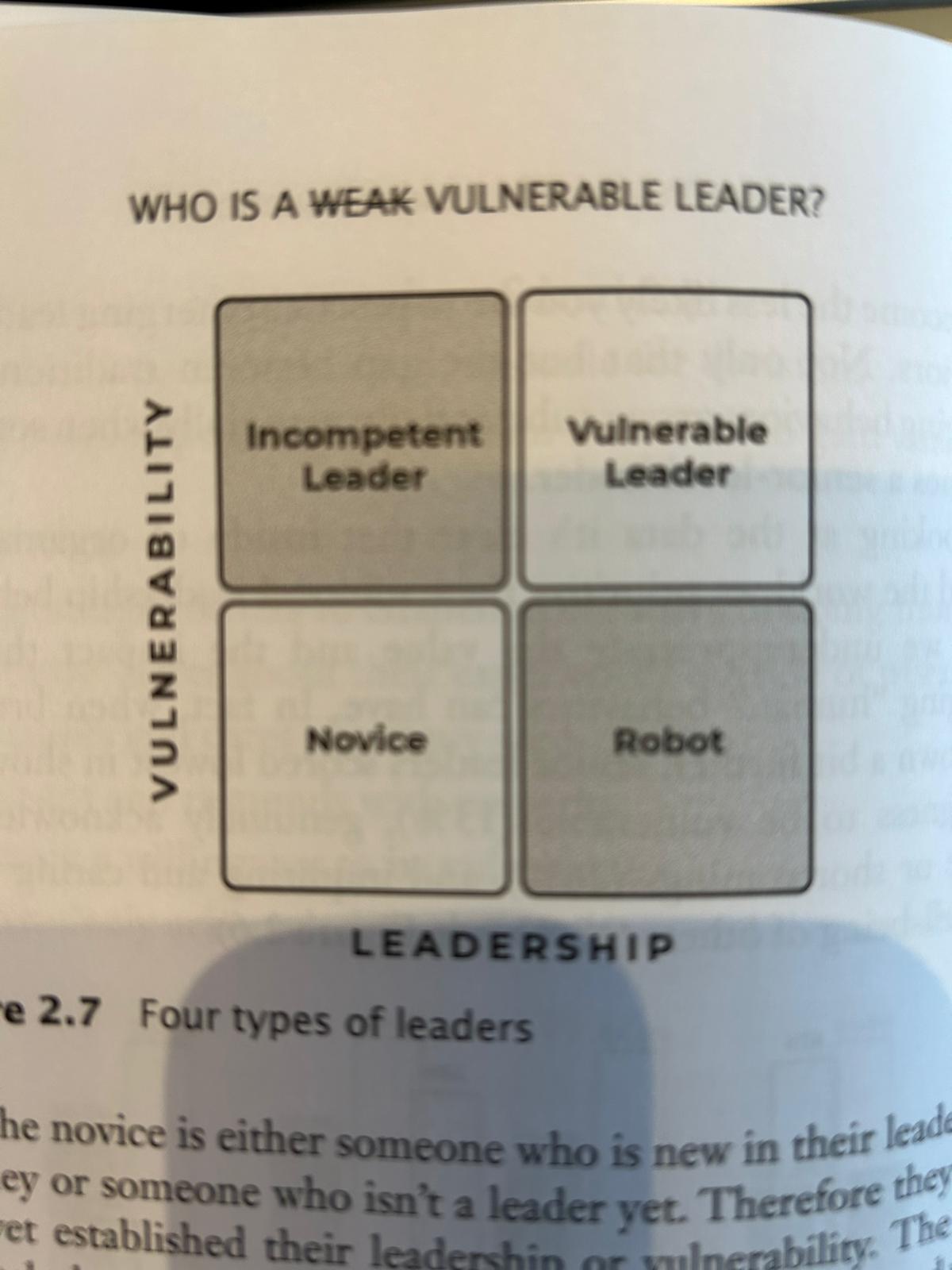
The foundation of the theory
The book describes four types of vulnerable leaders, each with their own traits and strengths. They are:
1. Captain Heart
- Traits: This leader is highly emotional and empathetic. They care deeply about people and are willing to show their own emotions to connect with their team.
- Strengths: They create a workplace where people feel valued and understood.
- Challenges: They can come across as too emotional and sometimes struggle to make hard calls.
2. Professor Personal
- Traits: This leader is more comfortable sharing parts of their personal life than their professional one. They build deep, authentic personal relationships with their team.
- Strengths: They develop strong personal connections and create a positive, authentic work environment.
- Challenges: They may not always get the most out of their team professionally, and can wrestle with imposter syndrome.
3. Super Situational
- Traits: This leader adapts their style of vulnerability to the situation. They know when and how to show vulnerability depending on the context and what the moment calls for.
- Strengths: They're flexible and can connect with different kinds of people across all sorts of situations.
- Challenges: They can seem inconsistent if they don't handle the switch between leadership styles well.
4. Wonder Worker
- Traits: This leader is a role model when it comes to work ethic and dedication. They use their vulnerability to inspire and motivate their team, showing that even the most committed people have moments of weakness.
- Strengths: They inspire their team with their dedication and work ethic, showing that they're human and approachable.
- Challenges: They can overload themselves with work and fail to delegate enough, which can lead to burnout.
Each of these types has their own way of using vulnerability as a tool to deepen the connection with their team and foster a healthy, productive environment. The key, according to Morgan, is balancing vulnerability with competence to be a truly effective leader.
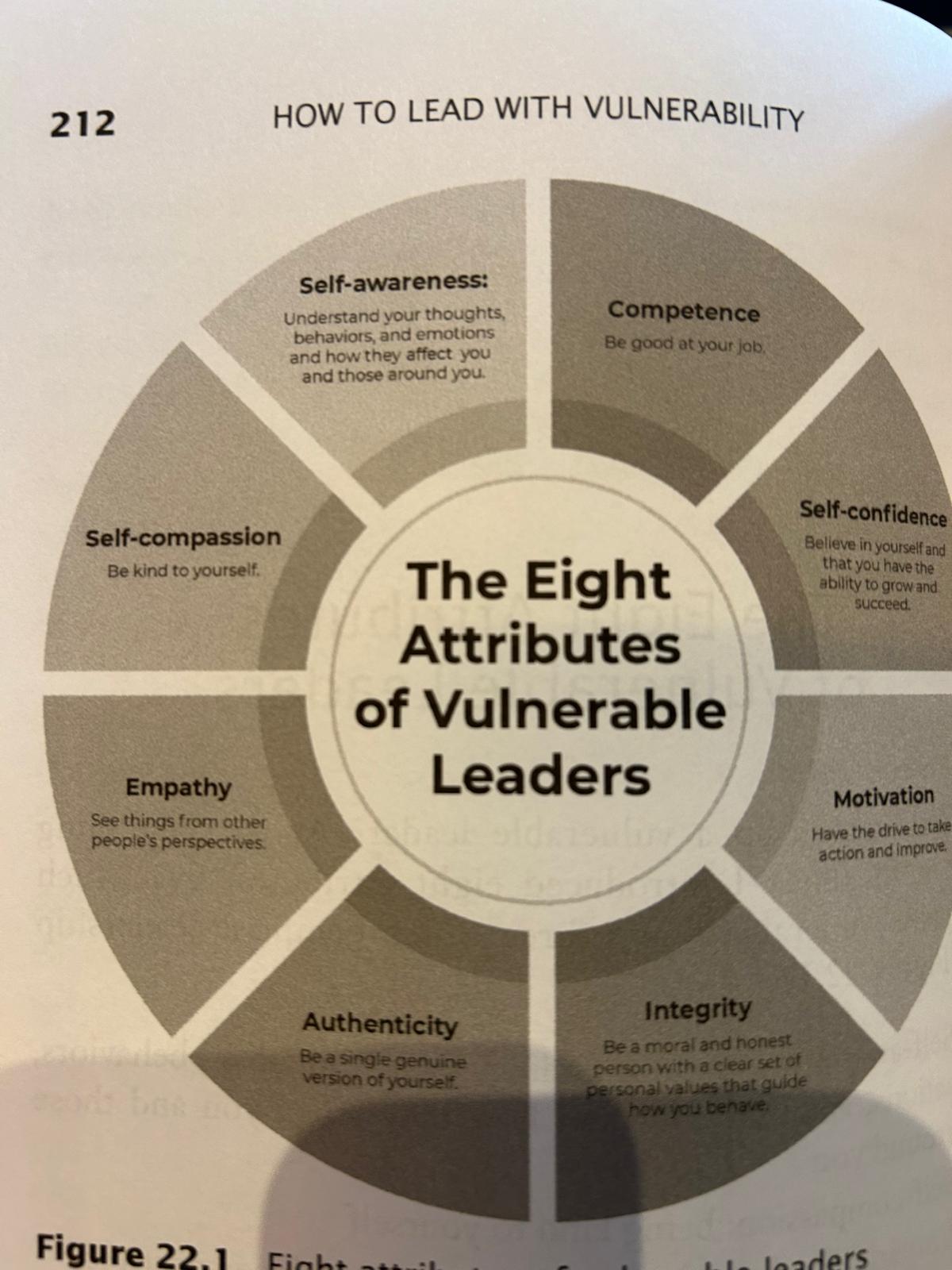
The eight attributes of a vulnerable leader, according to Jacob Morgan in "Leading with Vulnerability", are:
- High Competence: A vulnerable leader is highly skilled in their field and has the solid knowledge and abilities to lead effectively.
- Self-Awareness: They know their own strengths and weaknesses and are always looking to grow, personally and professionally.
- Self-Confidence: They trust themselves, which lets them be open and honest about their vulnerabilities without fear of being judged.
- Self-Compassion: They treat themselves with kindness and understanding, especially in moments of failure or difficulty.
- Empathy: They can understand and share other people's feelings, which makes it easier to build strong, authentic relationships.
- Authenticity: They show up as they really are, without pretending to be someone else, which earns trust and credibility.
- Motivation: They're driven by a sense of purpose and a passion for their work, which inspires others to follow their lead.
- Integrity: They act in line with their values and principles, which lets them stay ethical and consistent in every situation.
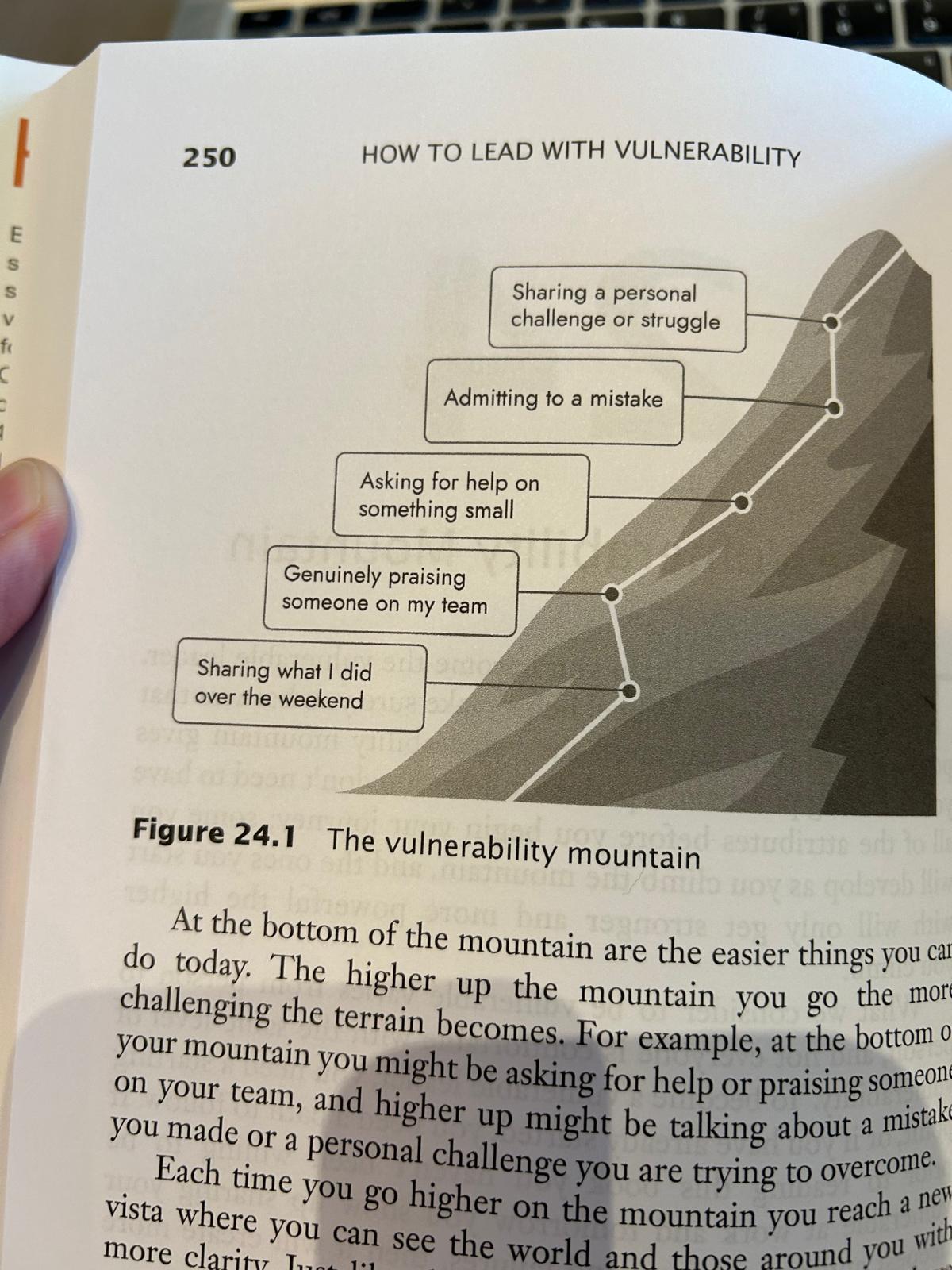
I'd encourage you to discover the "Mountain of Vulnerability" in the book. In Jacob Morgan's "Leading with Vulnerability", this metaphor captures the gradual process of opening up and showing up authentically as a leader. It's a journey that starts with accepting vulnerability, moves through weaving it into your day-to-day leadership, and reaches the peak of connection and trust with your team. That climb doesn't just strengthen relationships, it drives performance and cohesion across the group.
Nothing makes the ideas click like a video, so here's one of the many you can find of Jacob Morgan on the topic.
And for the real enthusiasts, I can't resist sharing Jacob's video on the leader of the future. He made it 4 years ago, but it still holds up and it's genuinely inspiring (Employee Experience ;)):
The future of leadership