
Between the Lines of Leadership · A Headhunter's Picks (20)
One clear way we grow professionally is by getting feedback, but also by giving it. During my years in Turkey, I lived through something that really struck me: just how direct (and sometimes harsh) people were about giving and receiving feedback. I watched how, even in the middle of a conflict, the tension would spike, but everything got resolved right there in that conversation, with no lingering grudges and no quietly "filing it away for later".
It made me realize how healthy it is to get everything off your chest when there's a conflict, so you can be at peace with yourself instead of stacking up resentment for the future. Of course, there's plenty of nuance here, and we'll get to that.
One of the most valuable lessons from that experience was the balance you need (and don't always pull off) to give honest, direct feedback while genuinely caring about the person on the receiving end. When you hit that balance, the positive impact is huge.
That's why today I want to recommend "Radical Candor" by Kim Scott , a book that absolutely nails this tricky skill.
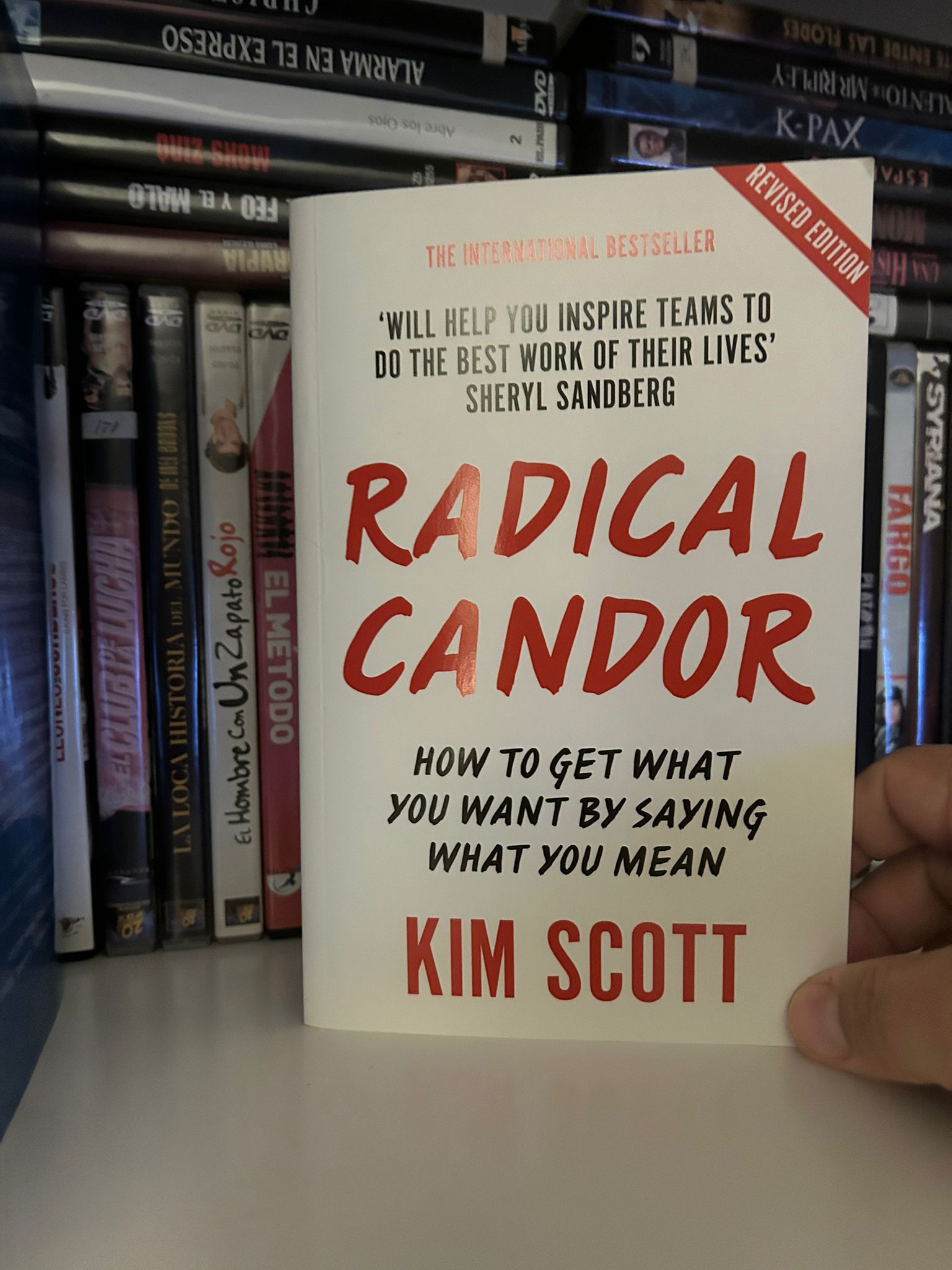
https://amzn.eu/d/edFAg7S
"Radical Candor" by Kim Scott explores how leaders can build a workplace where open, honest communication is the norm, and where you build strong relationships grounded in mutual respect and authenticity. Here are the book's key takeaways:
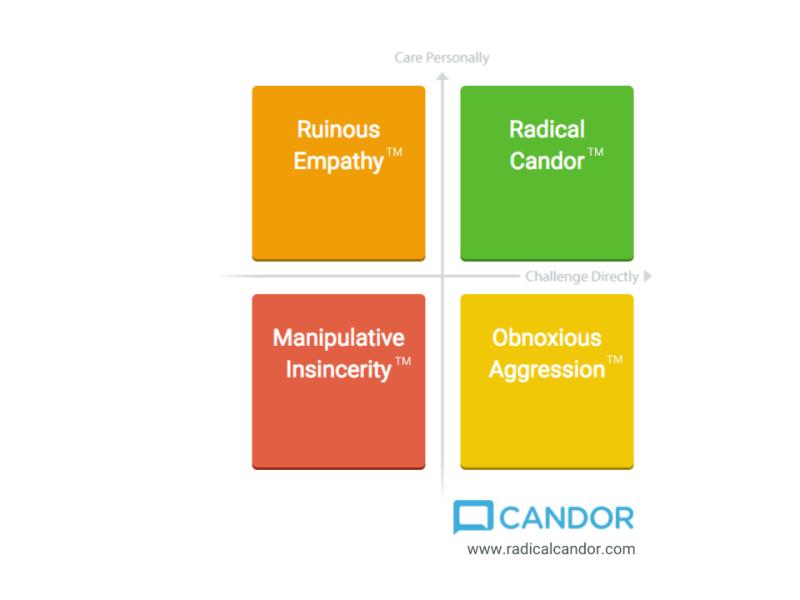
What "Radical Candor" means: it's the ability to care personally while challenging directly. That means being honest and straight with people without ever losing your empathy or understanding.
The Feedback Quadrant:
Scott lays out a four-quadrant model to categorize feedback:
- Radical Candor: You challenge directly and you show that you care personally.
- Ruinous Empathy: You show that you care personally but you don't challenge directly, which can let people coast.
- Obnoxious Aggression: You challenge directly without showing you care personally, which can come across as cold.
- Manipulative Insincerity: You neither show you care personally nor challenge directly, which reads as dishonest and manipulative.
Why Feedback Matters:
Honest, direct feedback is essential for personal and professional growth. Scott stresses that both giving and receiving feedback are crucial to getting better over time.
Care and Challenge:
Leaders have to strike a balance between caring personally and challenging their teams directly. That's what creates an environment where people feel valued and motivated to improve.
Building Relationships:
Strong relationships are the bedrock of effective communication. Leaders need to invest time and effort in getting to know their people and building mutual trust.
Active Listening:
Active listening is key to understanding what your people need and worry about. Scott suggests practicing empathetic listening and asking open questions to keep the dialogue going.
Giving Timely Feedback:
Feedback has to be timely and relevant. Scott recommends giving it at the right moment so it lands with more impact and meaning.
A Culture of Transparency:
Build a culture of transparency and openness, one that values honesty and encourages people to share ideas and opinions without fear of payback.
Developing the Team:
Leaders need to focus on developing their teams, giving them room to grow and keep learning.
Work-Life Balance:
Scott underlines how important it is to balance work and personal life, and to support people in their personal needs so you create a healthy, productive workplace.
Examples and Stories:
The book is packed with practical examples and stories from Scott's own time at companies like Google and Apple, which really help bring the ideas behind "Radical Candor" to life.
One I'd single out is a personal experience she had with Sheryl Sandberg, who was her boss at Google at the time. After a successful presentation, Scott was feeling pretty good about how she'd done. But Sandberg asked to meet with her to give her some feedback.
In the meeting, Sandberg started by congratulating Scott on the success of the presentation, then quickly got to a critical point. She told her she said "um" way too often during her talks, which weakened her impact and made her come across as less confident than she actually was.
Scott initially tried to brush it off, saying it wasn't a big deal. Sandberg, though, pushed. She suggested it might be worth Scott taking some classes to sharpen her public speaking and kick the habit.
At a key moment in the conversation, Sandberg said something that stuck with Scott forever: "You know, Kim? When you say 'um' all the time, it makes you sound stupid." That blunt line was a shock for Scott, but also a turning point.
Scott realized Sandberg was being that direct precisely because she genuinely cared about her growth and wanted her to get better. It was a clear example of Radical Candor, where you challenge directly while showing deep personal care.
That experience got Scott thinking about how important honest, direct feedback is, and how it can be a catalyst for personal and professional growth when it's delivered with care and empathy.
Key Lessons from the Story
- Honest, Direct Feedback: Direct feedback, however uncomfortable, can be incredibly valuable when it's given with the intent to help.
- Showing You Care Personally: Honesty and directness land far better when they come from someone who genuinely cares about your wellbeing.
- Taking Criticism: Accepting feedback and being willing to work on the areas where you can improve is crucial for personal and professional growth.
- The Power of Effective Communication: Small habits, like overusing "um", can have a big impact on how people read your competence and confidence.
Here the author explains it better than anyone :)