Between the Lines of Leadership · A Headhunter's Picks (23)
Before we get into the chapter, I want to use this space for everyone who believed in me and backed me before I founded W, almost two years ago, when I was weighing up several projects. To my wife, who's central to my life ( Mónica López de Lemos Guitart ), few words can capture how grateful I am for all your advice. Many people have had my back, but I want to single out Alberto Chico , who in one of our countless conversations told me to read "Zero to One" now that I was about to start my own company. I'm hugely grateful for that tip, and today I want to pass it on to all of you.
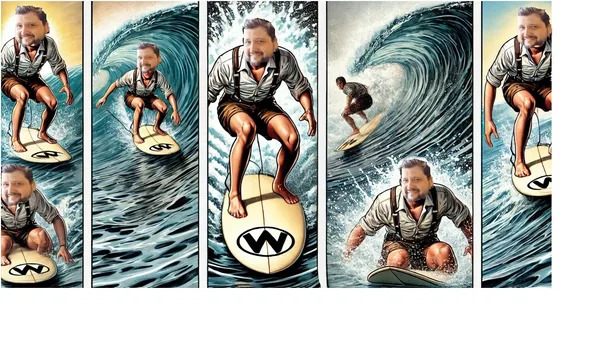
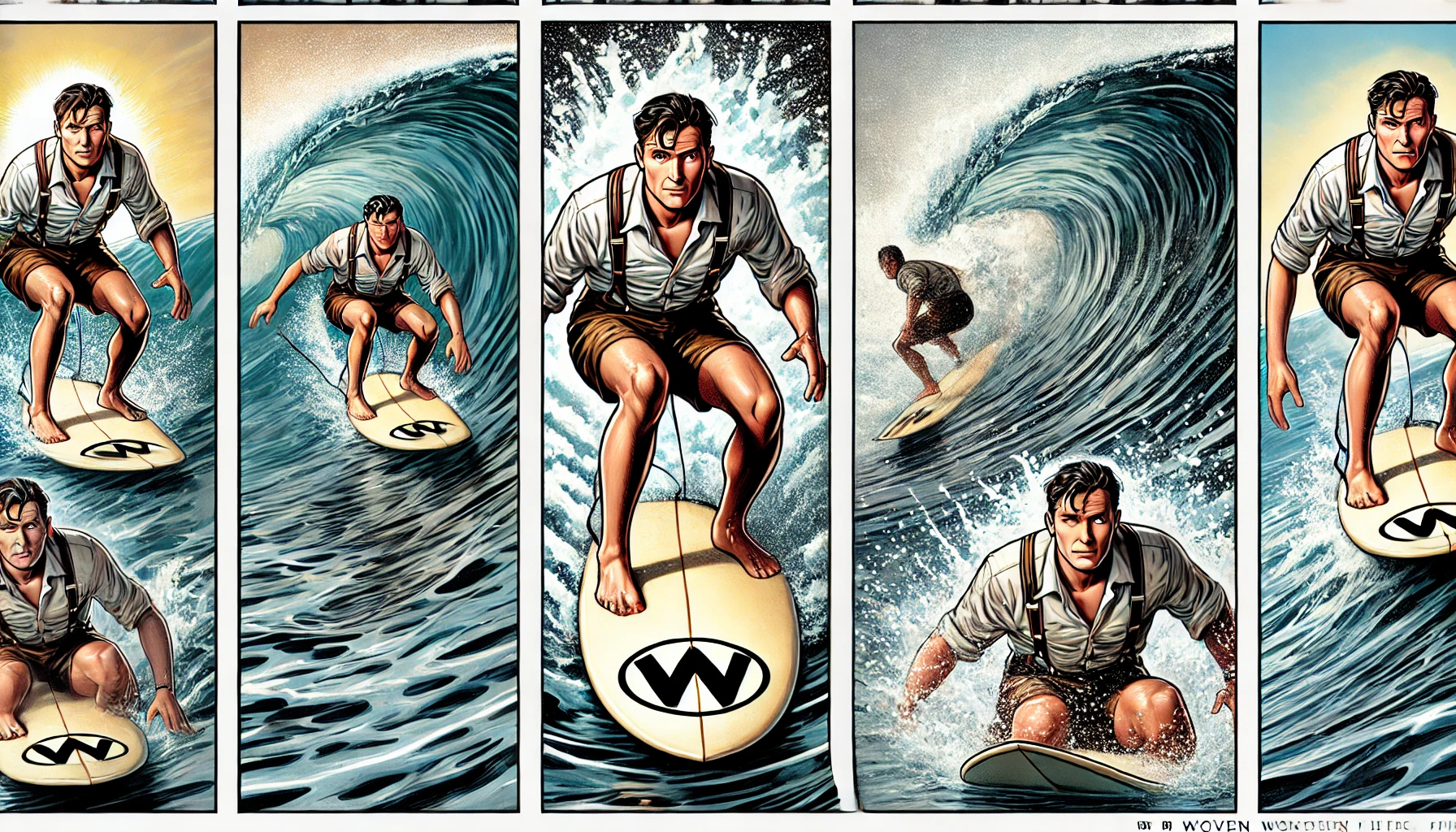
I'd like to draw an analogy with surfing, maybe because I'm a frustrated surfer, but watching waves build and die inspires me a lot when it comes to business opportunities.

Picture success as surfing a powerful, majestic wave. Riding a wave is a thrilling experience, but it's also fleeting. Every wave you ride eventually breaks apart, and you find yourself back in the water, waiting for the next opportunity.
In business, these waves represent the wins and losses along the way. Riding a successful wave is impressive, but it's brief too. What really counts is what you do after the wipeout: how you learn, adapt and get ready for the next wave.
Peter Thiel , in his book "Zero to One" (https://a.co/d/03JfsutA) , stresses how important it is to build something radically new instead of just competing in existing markets. That innovative mindset is like hunting for the perfect wave, the one nobody else has spotted or even considered. Adopt that mindset and you're not just ready to ride the waves of success others have missed, you're also ready to face the inevitable challenges and failures with a perspective of learning and growth.
Learning and Resilience
Every time you fall off the board and end up underwater, you're in a learning opportunity. These experiences are the ones that make you stronger, that teach you to adapt and sharpen your technique. In business terms, every failure is a lesson that brings you closer to your next disruptive innovation.
Innovation as a New Wave
Thiel suggests that to go from "zero to one" you need to innovate in a meaningful way, to create new technologies or solutions that change the rules of the game. That innovation is your new wave, one you've discovered through experimentation, failure and constant learning. It isn't just the next wave in the set; it's a unique wave that takes you to new heights.
Peter Thiel's "Zero to One" offers plenty of valuable ideas from the standpoint of talent and team management. Here are some of the key points around talent and how to get the most out of it:
- Hire exceptional people:
Thiel stresses how important it is to hire exceptionally talented people, the ones who can bring something unique and valuable to the company. It isn't just about technical skills, it's about individuals with a vision and a drive that line up with the company's goals.
- Small teams with big impact:
Small teams tend to be more effective because each member carries real responsibility and can contribute in a big way. Thiel argues that a small but talented team can beat a larger one that lacks cohesion and clarity.
- A strong company culture:
Building a solid company culture is crucial. Thiel notes that successful companies have distinctive cultures that align everyone toward a common goal. That doesn't just improve performance, it also attracts talent that identifies with those values.
- Fair, aligned compensation:
Offering compensation packages that include equity or a stake in the company can align employees' interests with the company's. That gives people a reason to work not just for a paycheck, but for the company's long-term success.
- Innovation and long-term thinking:
Thiel makes the case for hiring people who think long term and are committed to continuous innovation. This kind of talent is willing to take calculated risks and invest time in projects that may not pay off right away but are crucial for future growth.
- Diversity of thought:
Valuing diversity of thought and the unique perspective each team member brings is essential. Thiel suggests that the best ideas often come from people who think differently and challenge the status quo.
- A focus on continuous learning:
Foster an environment of continuous learning where people feel encouraged to improve and expand their skills. That doesn't just raise the team's capability, it also retains talent, because people feel they're growing alongside the company.
- Visionary leadership:
Clear, visionary leadership is essential. Leaders have to be able to articulate a compelling vision and motivate the team to work toward that goal. Thiel stresses that the best leaders are the ones who inspire and guide their team with a clear purpose.
- A collaborative work environment:
Create an environment where collaboration and open communication are the norm. That makes it easier to solve problems and generate ideas, letting individual talents complement and amplify each other.
- Autonomy and accountability:
Give people the autonomy to make decisions and the accountability for their results. That approach doesn't just empower people, it also fuels creativity and innovation.
These points reflect how Thiel sees talent as a critical piece in building successful companies that can innovate and thrive over the long term.
A picture's worth a thousand words too.