
Between the Lines of Leadership · A Headhunter's Picks (24)
In a world where finding talent gets harder every year, betting on intrinsic motivation is non-negotiable when you're building or leading a business. Here's why: extrinsic motivation works in the short term, but it runs on one-off rewards that just aren't sustainable over time, especially in a market that keeps getting more competitive and more complex.
Intrinsic vs. Extrinsic Motivation:
- Extrinsic Motivation: This is your external incentives, money, perks, promotions, public recognition. They can work for simple, repetitive tasks, but the motivational kick tends to fade over time. Worse, they create a dependency on the reward, so people only show up when there's a clear payoff on the table.
- Intrinsic Motivation: This one comes from the inside. It's driven by genuine interest, satisfaction and the enjoyment of the work itself. It's far more sustainable over the long haul, because it's tied to a person's values and sense of purpose. The result? Deeper commitment and a lot more resilience when things get hard.
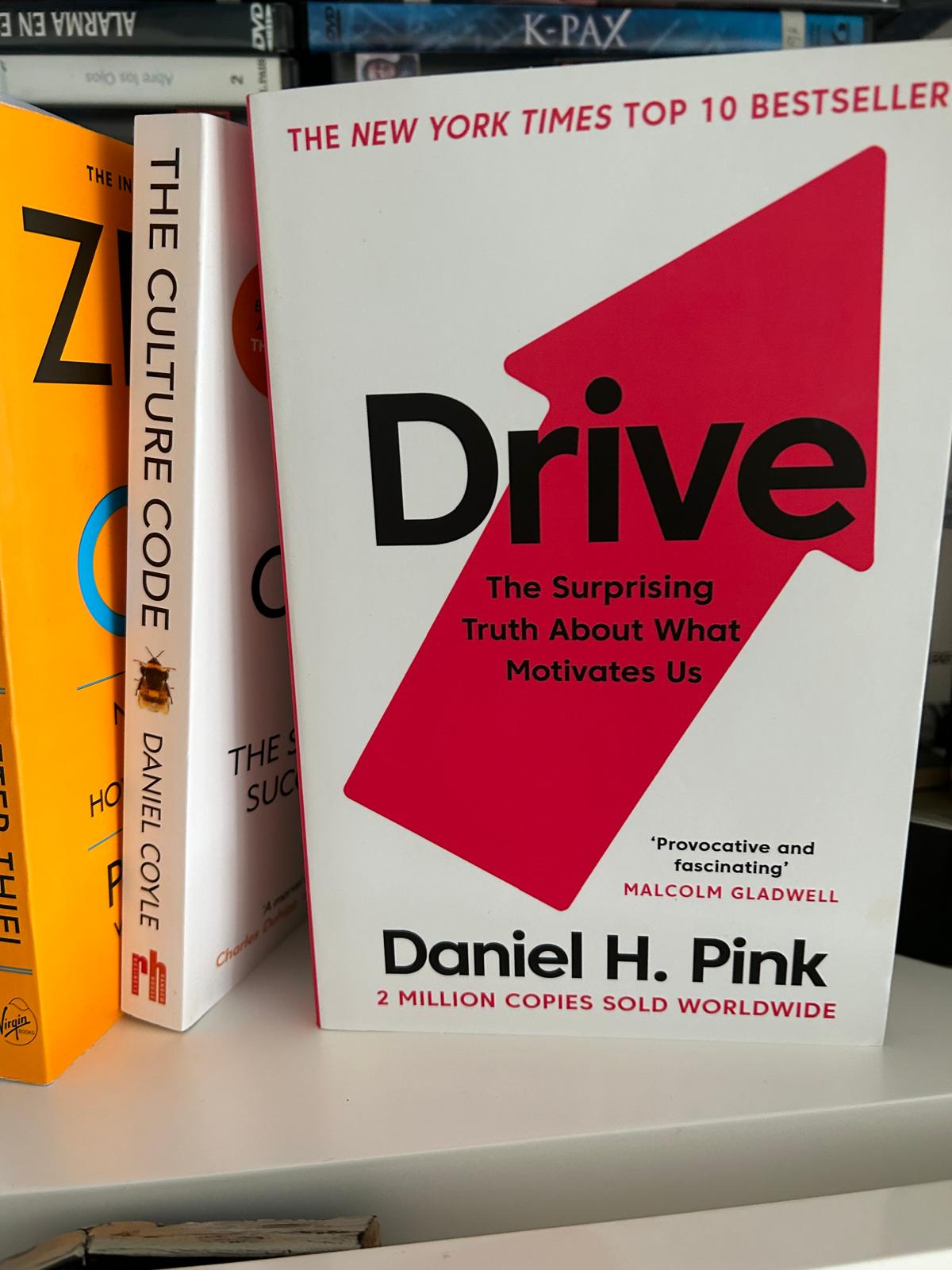
So what's the takeaway here? 😊 This is where the brilliant book "Drive" by Daniel H. Pink becomes an invaluable guide. Pink lays out the core pillars of intrinsic motivation, the ones that can make all the difference in "the war for talent":
1. Autonomy: Give people control over their work and how they do it, and watch their motivation and commitment climb. When you build an environment where people get to make decisions and have a say in their day-to-day, you create a sense of ownership and accountability that drives productivity.
2. Mastery: The innate drive to get better and sharpen your skills is a powerful source of motivation. Create opportunities for continuous learning and personal growth, and you don't just help the individual, you keep your whole workforce skilled and motivated.
3. Purpose: Working toward a goal that goes beyond the paycheck can be incredibly motivating. When people understand and buy into the company's mission and values, their work takes on deeper meaning, and that translates into stronger commitment and real job satisfaction.
Beyond these pillars, it's crucial to put practices in place that foster a positive, collaborative environment. Recent studies show that teams who feel an emotional connection to their work and to each other tend to be more productive and have lower turnover.
Building intrinsic motivation isn't just a smart play for attracting and keeping talent, it's how you build an organizational culture that's resilient and adaptable. In a world where talent is scarce and valuable, investing in these practices can be the key to any company's long-term success.
In his TED talk "The Puzzle of Motivation", Daniel Pink points to several key studies that back up his case for intrinsic motivation:
- The Candle Problem (Duncker's Candle Problem): This experiment shows how extrinsic rewards can actually hurt creative problem-solving. The participants who were offered cash incentives solved the problem more slowly than those who weren't.
- Princeton University studies: These showed that high rewards can degrade performance on tasks that require complex cognitive skills.
- MIT and other university experiments: Funded by the Federal Reserve, these found that big rewards lead to worse outcomes on cognitive, creative and strategic tasks.
These studies hammer home the point: intrinsic motivation (autonomy, mastery and purpose) beats traditional extrinsic rewards when it comes to complex, creative work.
To close out this newsletter, let me indulge in a little self-promo ;).
A few months back I had the chance to take part in the Top Human Leaders event. My 5-minute elevator pitch was all about how my life and career changed when I discovered what real intrinsic motivation feels like. Passion becomes the engine, way beyond the "carrots" that, nice as they are when they land, just aren't enough if they're all you've got. Intrinsic motivation, at the end of the day, is what fuels commitment and satisfaction that actually last.