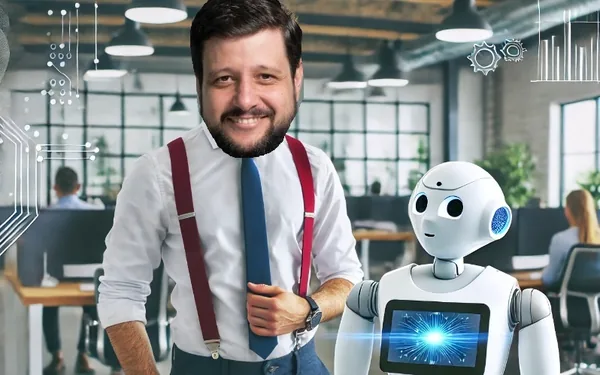
We're celebrating issue 25 of our newsletter and we're getting really close to 3,000 subscribers. It's a good moment to come back to a book I love, one that's a great reference on how technology and artificial intelligence should make us more human: "The Age of Humanity" by Marc Vidal. For those of you who've followed me since before the newsletter, forgive me for bringing it up again, but I think its message matters too much to leave out of this edition.
Technology and Headhunting: A Human Future
As headhunters, we're at a point where more of our work is getting automated, and artificial intelligence is already making a real impact, one that'll only grow over time. If you're thinking about a future as a talent search consultant, don't doubt for a second that the opportunities will be there, but more than ever your role will center on reading people and, even more important, on spotting and connecting human motivations with what companies actually need. In a market starved for talent, the candidate calls the shots.
Technology will free up our time to focus on human understanding and on the relationships between people, with the "machine" as our best ally on everything operational, amplifying what we do best.
Inside the Book: Key Takeaways from "The Age of Humanity" by Marc Vidal
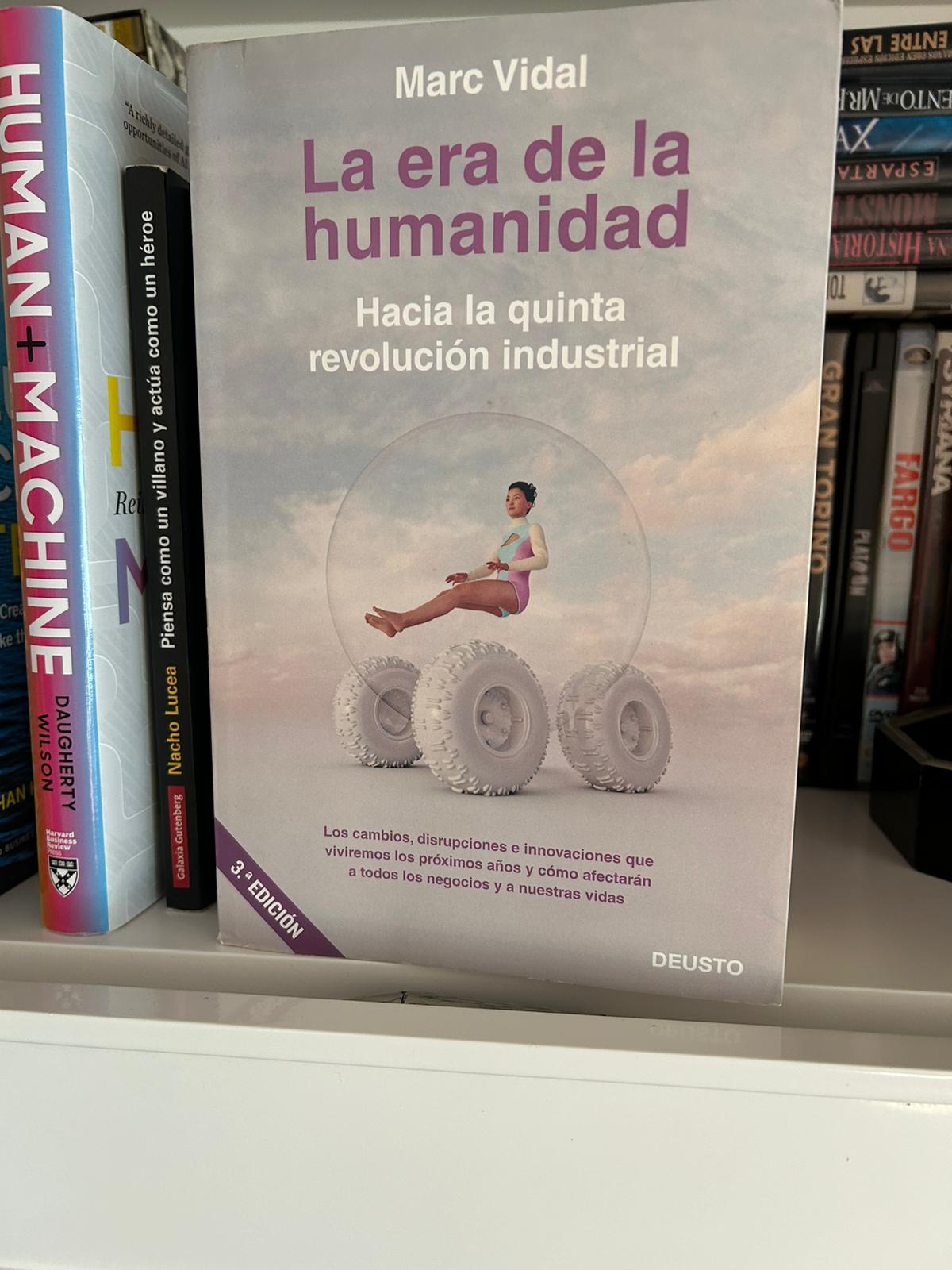
https://amzn.eu/d/0b9689K8
Digital Revolution and Humanization:
- Marc Vidal argues that today's digital revolution shouldn't be only about efficiency and automation, but also about improving quality of life and amplifying our human capabilities.
- Technology should be seen as a tool that frees us from repetitive tasks and lets us focus on more creative, meaningful work.
Technology and Employment:
- Instead of fearing automation and artificial intelligence, Vidal suggests we need to adapt and reorient our skills.
- Technology can create new kinds of jobs and opportunities, fostering a society where work is more flexible and aligned with our passions and talents.
Education and Training:
- Education has to transform to prepare new generations for a digital world, building not just technical skills but emotional and social ones too.
- Vidal stresses how important it is to nurture creativity, critical thinking and empathy, deeply human skills that machines find hard to replicate.
Humanizing Companies:
- Companies need to take a more human approach, using technology to improve employee wellbeing and create healthier workplaces.
- That includes practices like remote work, flexible hours and digital tools that make communication and collaboration better.
Ethical and Responsible Technology:
- Vidal makes the case for ethical tech development, where innovation respects privacy, security and human rights.
- It's critical that tech companies and governments work together to create regulation that ensures technology is used responsibly.
Social Cohesion and Inclusive Technology:
- Technology has to be inclusive and accessible to everyone, closing the digital divide and making sure certain social groups don't get left behind.
- Initiatives that bring technology to rural areas and underserved communities are essential for a fairer society.
Sustainability and Technology:
- Technology has the potential to help us tackle global challenges like climate change and sustainability.
- Vidal suggests that tech innovation should aim for green, sustainable solutions, driving progress that benefits both humanity and the planet.
Conclusion
Marc Vidal invites us to see technology as an ally for amplifying our human capabilities, improving our quality of life and building a fairer, more equitable future. The key is using technology in an ethical, responsible way, always with the goal of humanizing our interactions and our societies.
The book may be a few years old by now (in tech, time flies), but it still holds up. Here's a really interesting interview about it:
Thank you so much for your continued support!