Between the Lines of Leadership · A Headhunter's Picks (27)
Now that summer break is around the corner (or for those already enjoying it), it's a good moment to reflect. If you're part of a team and you're not clear about your reality in the company, or you want to rethink it, ask yourself whether where you are is the place where you can bring out all your passion (see the chapter where we talk about how critical this is for performance, read the article). And if you're a company that still doesn't have a clear north star for how to approach Total Motivation for your team, this is a great time to reflect (beach / mountain :)) and come back with your energy dialed in after the break.
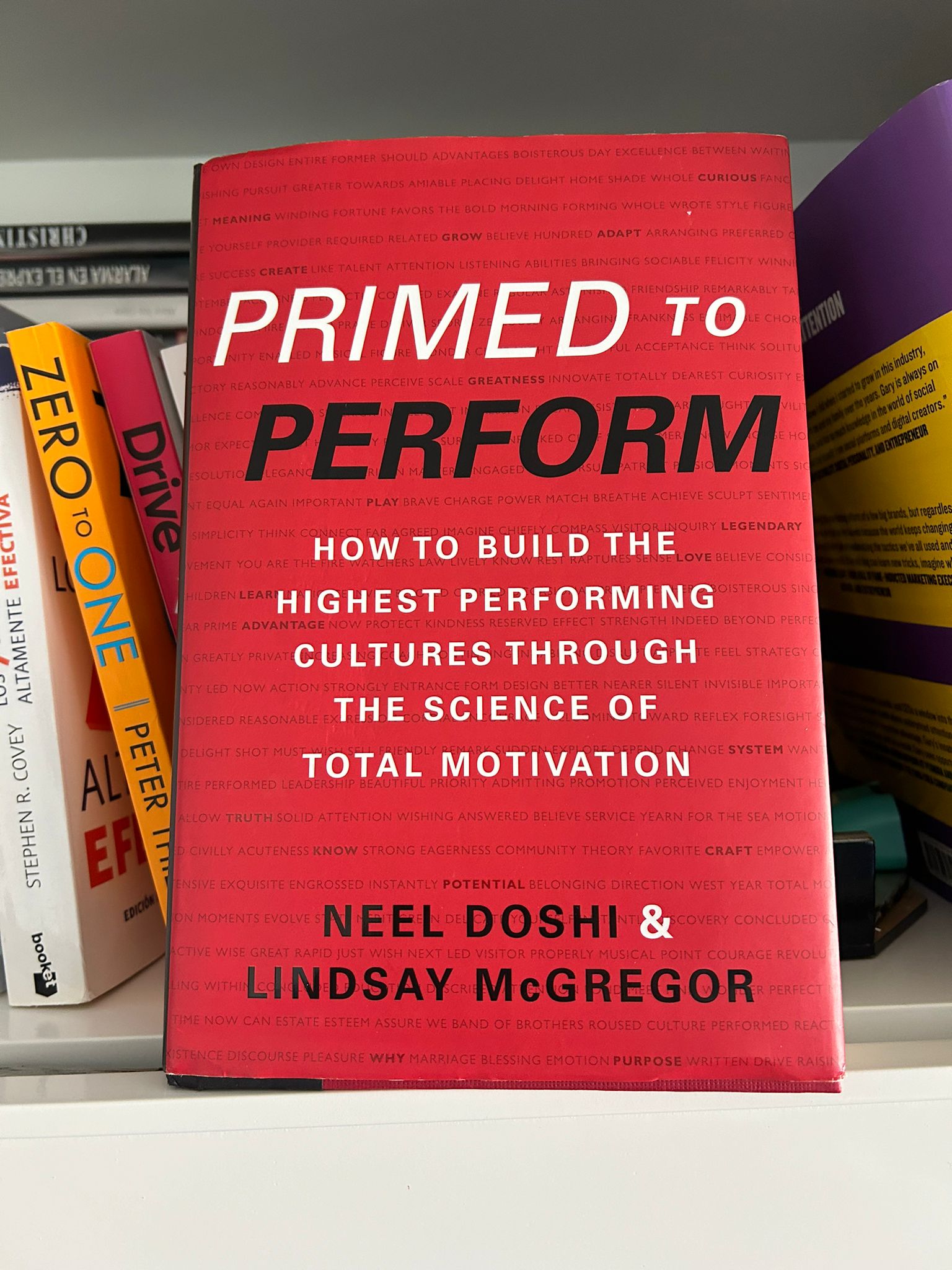
In this week's edition of our newsletter, we'll dig into the key ideas from the book "Primed to Perform" by Neel Doshi & Lindsay McGregor, and why they matter for business leaders focused on cultivating talent instead of just retaining it. This approach doesn't only lift organizational performance, it also builds a culture of growth and job satisfaction.
What is ToMo?
"Primed to Perform" introduces the concept of ToMo (Total Motivation), which refers to the mix of motivational factors that drive employees to perform at their best. Doshi and his co-author Lindsay McGregor identify six motivational factors split into two categories: direct (play, purpose and potential) and indirect (emotional pressure, economic pressure and inertia). The goal is to maximize the direct factors while minimizing the indirect ones to create a highly motivating work environment.
Direct Factors:
- Play: The intrinsic enjoyment employees find in their work. It's the motivation that comes from the work itself, where tasks are seen as an interesting, fun challenge.
- Purpose: Connecting the work to a bigger cause. Employees feel their work has a positive impact on the company's mission and on society.
- Potential: Personal growth and development. Employees see their skills and careers growing through the work.
Indirect Factors:
- Emotional Pressure: Negative emotional reactions tied to the work, like stress or frustration. These emotions can drag down motivation and performance.
- Economic Pressure: Motivation driven by economic rewards or threats. It can work in the short term, but it doesn't sustain motivation over time and can erode commitment.
- Inertia: The tendency to stay in a job out of habit or a lack of alternatives. It doesn't generate real motivation and can lead to declining performance.
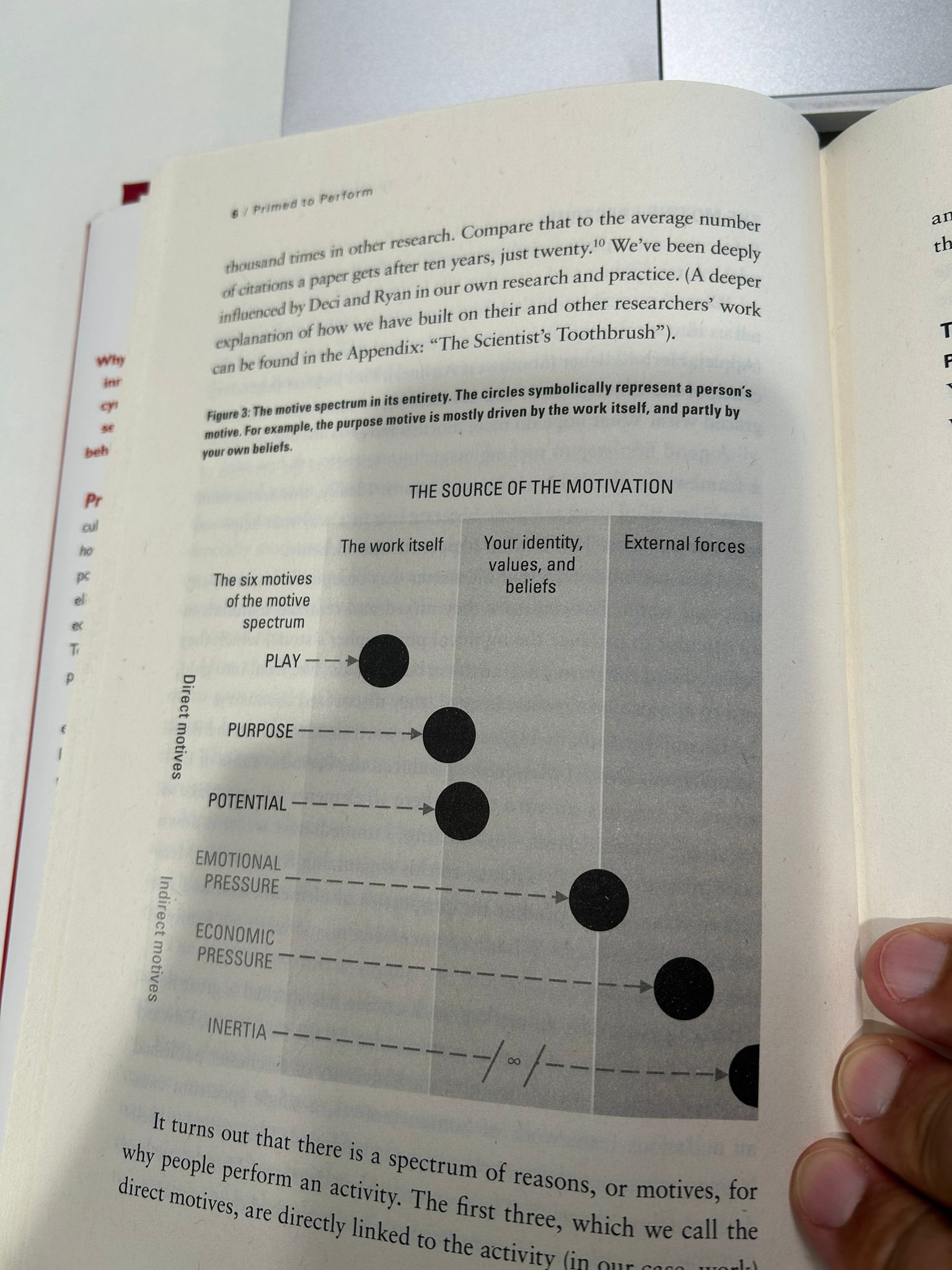
The sum of the direct factors (play, purpose and potential) contributes positively to employees' total motivation. By contrast, the indirect factors (negative emotion, economic pressure and inertia) act as detractors, dragging motivation down. It's crucial for companies to maximize the direct factors and minimize the indirect ones to reach a high level of ToMo.
The weight of these factors can be measured using surveys and specific tools designed to assess employees' total motivation. Measuring ToMo lets companies spot areas to improve and make informed decisions to strengthen their organizational culture and lift performance.
The Role of the "Fire Watcher"
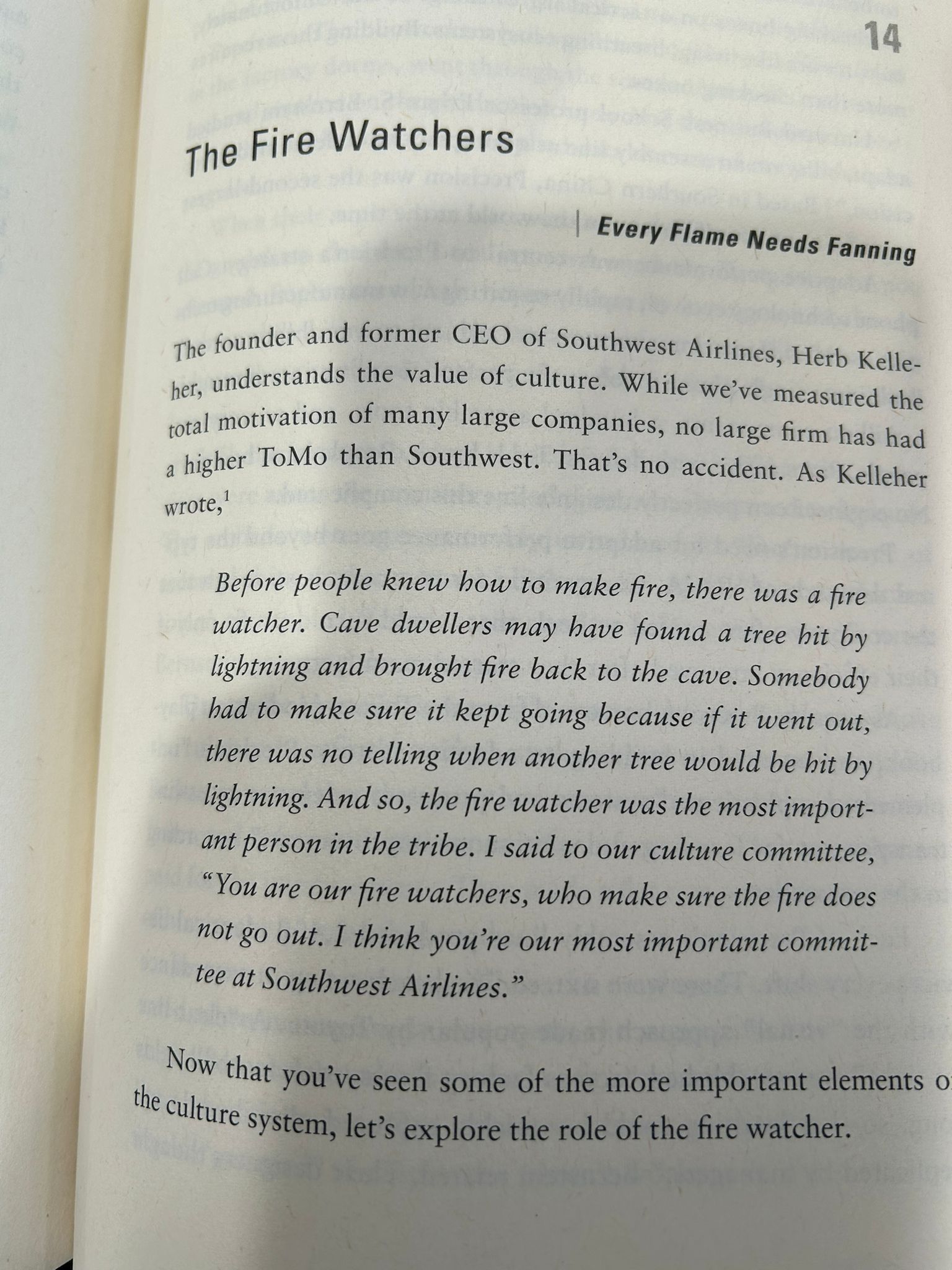
In the context of the book, a "fire watcher" is an essential figure in the organization. Herb Kelleher, founder and former CEO of Southwest Airlines, highlighted how important this role is, noting that in primitive times the people who watched the fire were the most important in the tribe. These watchers made sure the fire didn't go out, because relighting it was uncertain and hard. In business, "fire watchers" are the guardians of organizational culture, making sure that motivation and culture don't fade away. I love this take, and we're clear on it at W Executive España .
Keys to Cultivating Talent Instead of Retaining It
- Fuel Play and Purpose: "Play" is the intrinsic enjoyment employees find in their work. Create an environment where people can experiment, learn and solve problems creatively. "Purpose" connects to the sense of contribution employees feel toward a bigger cause. Make sure every team member understands how their work impacts the company's overall mission.
- Develop Potential: Offer opportunities for growth and professional development. Training programs, mentoring and challenging projects help employees see a long-term future inside the company.
- Minimize Pressure and Negative Emotion: Reduce the economic pressure and negative emotion tied to the work. Avoid policies that breed fear or job insecurity. Instead, set clear, achievable goals and offer continuous support.
- Build a Culture of Autonomy: Let employees have control over their work. Autonomy doesn't just boost motivation, it also fuels innovation and personal accountability.
Tips for Companies Without a Focus on Culture
For companies that haven't prioritized culture as a source of revenue through talent, it's crucial to recognize that a strong culture can be a major competitive differentiator. Here are a few practical steps:
- Assess Your Current Culture: Run an audit of your organizational culture to identify strengths and areas to improve. Engagement surveys and employee interviews can surface valuable insights.
- Define Clear Values: Set and clearly communicate the company's core values. These values should guide every decision and behavior within the organization.
- Invest in Leadership: Train your leaders to model the culture you want. Effective leadership is crucial for building a positive culture.
- Encourage Transparency and Communication: Promote open, honest communication at every level of the organization. Transparency builds trust and alignment around shared goals.
- Recognize and Reward: Celebrate and reward the behaviors that reflect the company's values and culture. Consistent recognition motivates people and reinforces the culture you want.
By adopting these strategies, companies won't just attract and retain talent, they'll also drive superior performance and a sustainable competitive advantage.
I'm a big fan of the visual side of things, so for anyone who isn't quite up for "consuming" the whole book, this video is really clear (it leaves a few things out) but gives you a good idea (for the "fast food learning" crowd 😉).
Let's all keep cultivating talent, see you in the next chapter.