I've been on LinkedIn for 20 years. Longer than at any company. Longer than in any city. It's one of the few things I haven't changed since 2006.
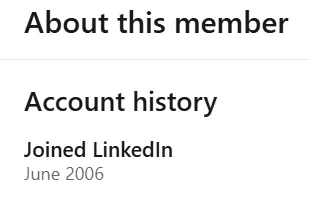
June of that year, freshly promoted to consultant after my internship at Michael Page, I opened an account. And since then my career and the adoption curve of the network in our industry have been more or less the same curve. Suspicion at first, quiet use later, visible exposure at the end.
Five scenes to tell it.
1. 2006-2009. The oddity.
When I opened my account, almost nobody in consulting used it. At Page, senior management restricted access to a handful of people, we were trialling Xing alongside it, and there was constant unease about the idea of people walking out with information through it. At some point around 2010 they went as far as banning it for a couple of years, afraid of leaks. When it was allowed again, it came with two rules for anyone leaving: delete the account, and remove the departing colleague as a first-degree contact. As if the network, on top of closing, had to publicly prove it no longer existed.
That was the logic of those early years. LinkedIn sat in the risk drawer, not the infrastructure one.
2. The quiet years. Watching, messaging and posting vacancies.
My first years on LinkedIn were about watching a lot and writing almost nothing. No content at all. Direct messages for cold search, silent headhunting, and one very specific use I kept up until I got to W: treating LinkedIn as a job board where you post ads. That was it. A tool of the trade. Personal brand wasn't a concept I was entertaining back then.
3. Barcelona and Istanbul. A network that travels ahead of you.
When I landed in Barcelona without knowing a soul, LinkedIn compressed months of coffees and networking into weeks. The same thing happened in Turkey, first to build a network in a new country and then, above all, to prepare my return to Spain from Istanbul. Throwing ropes before landing. That's where I understood that the network isn't a CV. It's a lever for mobility.
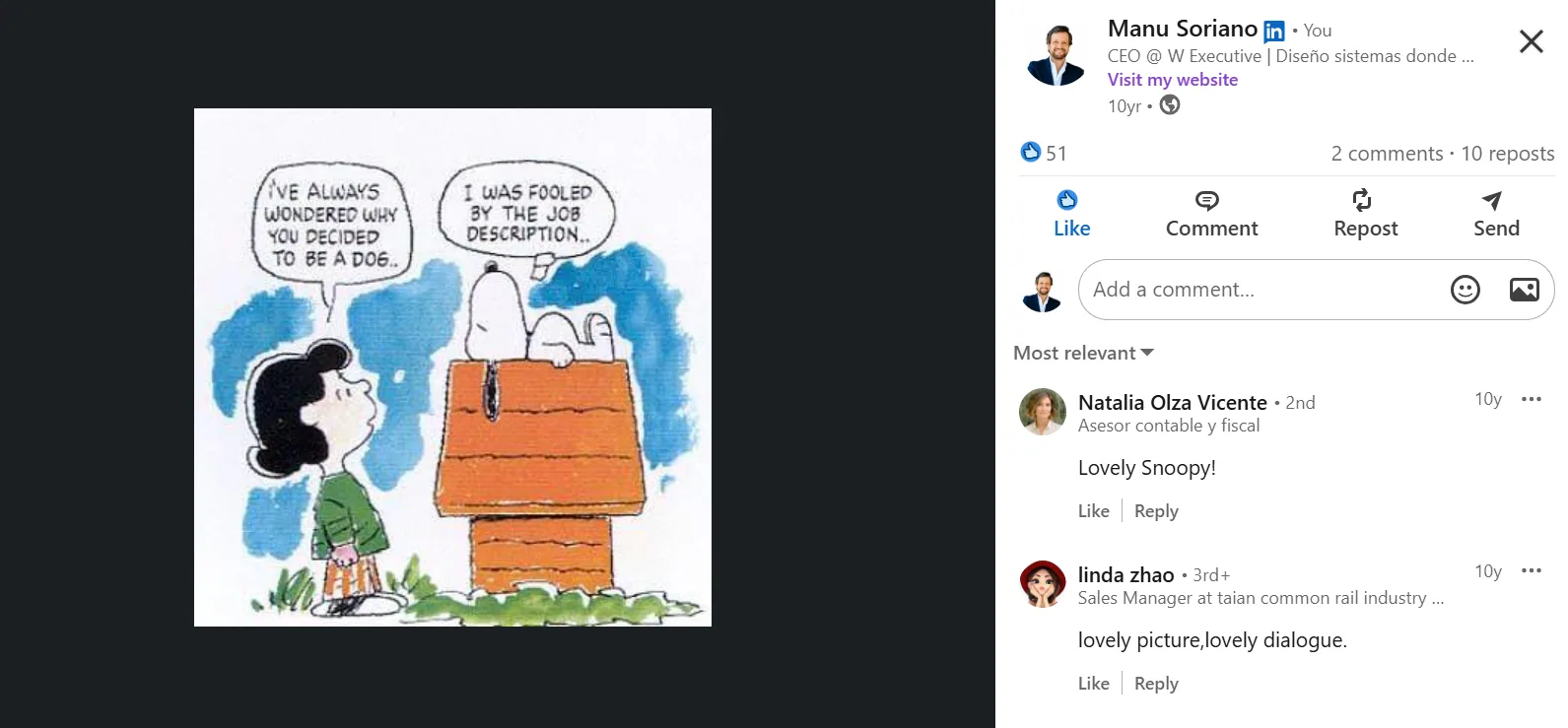
(my first ever post that wasn't a job ad or a press rehash, seven years ago...)
4. Valencia. The impostor's silence.
I arrived in Valencia still at Michael Page and still wasn't posting. At most I'd share the odd piece of news. Impostor syndrome on one side, worrying what people would say on the other. Our industry is discreet, and I was more so.
The hinge came years later, already in my Claire Joster chapter, when I started bringing the philosophy of sovereignty of focus into my life: no longer managing other people's opinions as if that were my job. My film, my script. I started posting at the end of that chapter, still cautiously. But I had already crossed the line.
5. W. The decision to be visible.
At W I decided something different: to use LinkedIn as a megaphone to tell my way of cultivating talent and attracting it. The newsletter you're reading, the Echoes of Leadership podcast (born for LinkedIn's new video format, and which we later decided to take to YouTube as well), the talks. All of that is the same decision, repeated: to stand on the front line.
And to expose yourself for real, not by proxy. The most common trap I see in my sector: executives who delegate their voice to comms or marketing. Posts signed with their name that they clearly didn't write. Corporate tone where there should be personal judgement. Lines so polished they no longer say anything.
When a leader delegates their voice, the market notices before they do. So does the team. You can't ask your organization for authenticity while you sign off on what other people write.
Marketing and comms are allies for amplifying what's yours, not for manufacturing it. A leader's personal brand isn't a service you outsource. It's identity. And identity isn't delegated.
Last year I made LinkedIn Top Voice and the Top 50 HR in Spain. I wasn't chasing it, but it felt good. And above all, it made me want to keep sharing what I learn and what I cultivate.
These last few years are the ones I've enjoyed most. Because I understood, with no hedging, that an invisible leader doesn't lead. The one who leads is the one who shows up.
These 20 years haven't been only mine. Every private message conversation, every comment, every person who arrived through here and ended up part of a project, a company or a team. This network, for me, has above all been that. People.
What I'm learning I'm putting in order in a book on cultivating talent that will see the light at the end of this year or the start of the next. It isn't a book about LinkedIn. But without LinkedIn, a good part of what it tells wouldn't exist.
Thank you for these 20. On to the next ones.
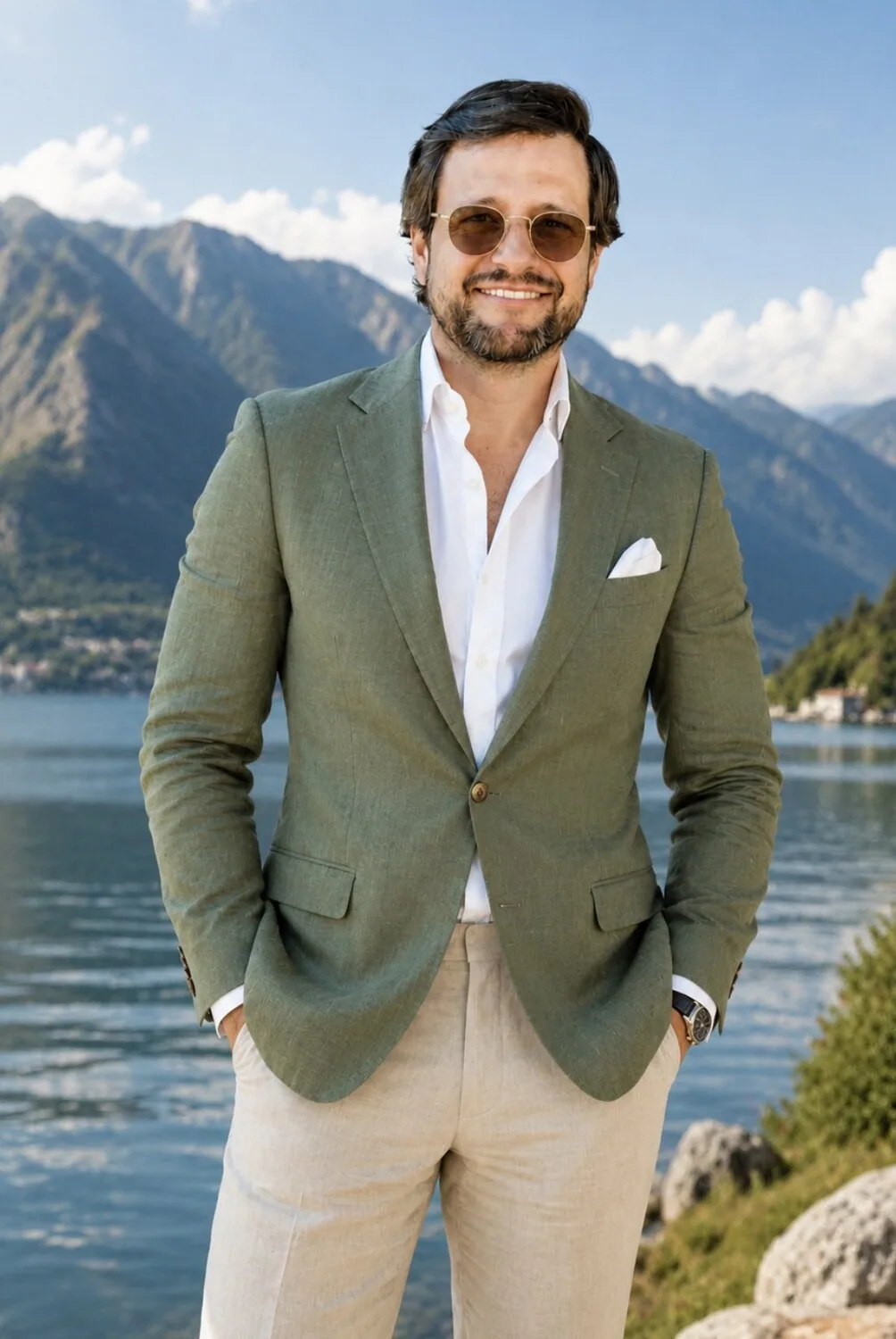
PS: I'll admit it, I'm enjoying the weight I've taken off my shoulders over these 20 years :)
— Manu