Between the Lines of Leadership · A Headhunter's Picks (16)
I want to keep going with one of my passions, film, and reach for a great classic to highlight the cornerstone of any company: a strategy that's clear but also flexible, one that adapts to an environment that's always moving and changing.
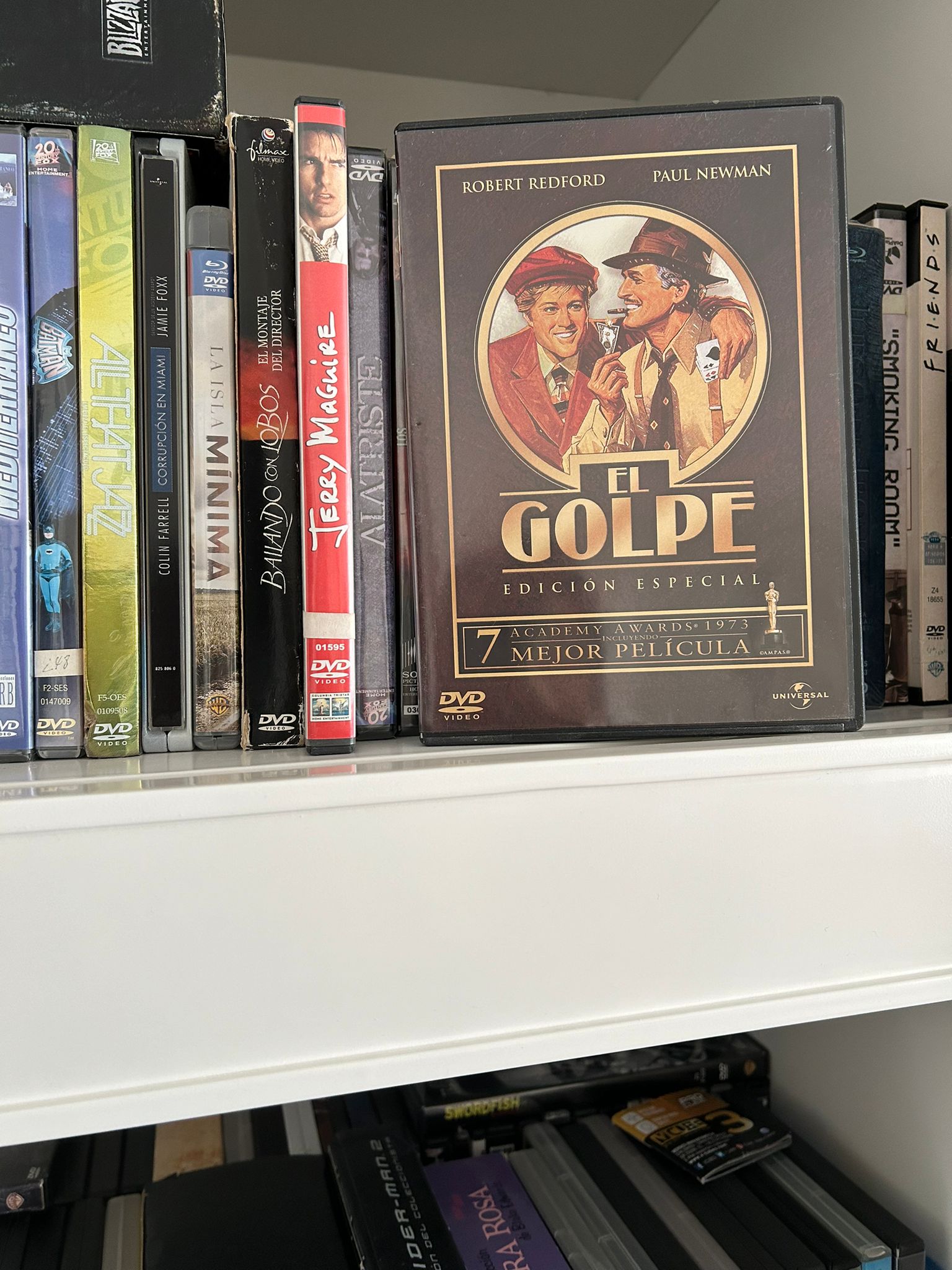
In business, having an inspiring vision and a solid sense of purpose is essential, but without a concrete strategy and action plan, those things can stay stuck at good intentions. The film "The Sting", directed by George Roy Hill and released in 1973, is a masterclass in how strategic planning and meticulous execution can lead to success, even in the toughest circumstances. This classic doesn't just entertain, it offers valuable lessons for leaders and entrepreneurs chasing excellence in their organizations.
Lesson 1: Define the objective clearly
In "The Sting", the leads, Johnny Hooker (Robert Redford) and Henry Gondorff (Paul Newman), set a clear objective: get revenge on mob boss Doyle Lonnegan. For any company, defining objectives clearly is the first step toward building an effective strategy. Those objectives need to be specific, measurable, achievable, relevant and time-bound (SMART) to channel every effort and resource toward a single focal point.
Lesson 2: Detailed planning
The meticulous planning of the con in the film shows how important it is to anticipate your adversary's moves and prepare every detail with precision. In business, that translates into building plans that account not just for the outcomes you want, but for the challenges and obstacles you might hit along the way. Detailed planning means allocating resources, defining roles and responsibilities, and setting clear timelines.
Lesson 3: Flexibility and adaptation
Despite all the careful planning, Hooker and Gondorff run into unexpected situations that call for quick, strategic adjustments. In the same way, companies have to stay flexible and able to adapt their strategies when the market shifts or emergencies hit. Strategic resilience is crucial to staying relevant and competitive.
Lesson 4: The value of collaboration and teamwork
"The Sting" wouldn't have been possible without a tightly coordinated, collaborative team. In a business context, fostering a teamwork environment where every member knows their role and how they contribute to the bigger goal is fundamental. Effective collaboration lets you add up individual strengths to overcome complex challenges.
Lesson 5: Flawless execution
In the end, execution is what separates good planning from real success. In the film, executing each step with precision is vital to pulling off the con. For companies, putting a strategy into action takes more than ongoing tracking and control, it takes meticulous, disciplined execution to make sure the vision and the plans turn into tangible results.
Conclusion
"The Sting" teaches us that beyond cleverness and cunning, the key to success lies in a strategy that's well thought out and executed with precision. For organizations chasing excellence, it's essential not just to dream big, but to plan smart and act with determination. In the pursuit of business excellence, strategy isn't just part of the game, it is the game.
To close, I want to recommend a great primer on strategy:
- Changing Environments: Reeves stresses the need to adapt strategies to changing environments. Likewise, in "The Sting" the leads keep adjusting their plan as they run into new challenges and unexpected situations.
- A Diversity of Strategies: The talk suggests using different strategies depending on the business context. In the film, Hooker and Gondorff use a mix of deception, surprise and meticulous planning, proving how effective it is to adapt your approach.
- Preparation vs. Adaptability: Reeves tackles the tension between preparation and adaptability. "The Sting" is a perfect example of how meticulous preparation, combined with the ability to adapt fast, can lead to success.
- Learning from the Environment: In his talk, Reeves emphasizes learning and evolving through experimentation. You see that in the film, where the leads learn and adapt based on how their adversary reacts.
- Executing the Strategy: Finally, the talk goes deep on how much execution matters. "The Sting" shows that no matter how good the strategy is, its success ultimately comes down to flawless execution.