
Between the Lines of Leadership · A Headhunter's Picks (18)
This chapter comes loaded with heavy Geekery 😉, so I'm dropping a "Freak Alert" up front so nobody gets spooked. From there, whoever keeps reading will hopefully enjoy another one of my core beliefs (how much diversity matters when it comes to gaining knowledge 😊).

My sources have always been all over the map, but one of them has stayed constant, both for fun and for shaping the way I think: video games. I know bragging about being a "Gamer Geek" doesn't impress anyone anymore, but it's been a part of my life forever, and I just can't resist dedicating a chapter to gaming (we're already 17 editions in!).
If I had to name a few games or genres, I'd point to graphic adventures like Monkey Island or strategy titles like Age of Empires / StarCraft. Another chapter would be WoW (World of Warcraft) and, finally, the only game I still touch a bit these days is League of Legends.
So sticking with those 4 genres, let's look at how each one offers training or lessons we can apply to business, and how it's shaped the projects I lead.
Graphic Adventure (Strategy and Puzzle-Solving)
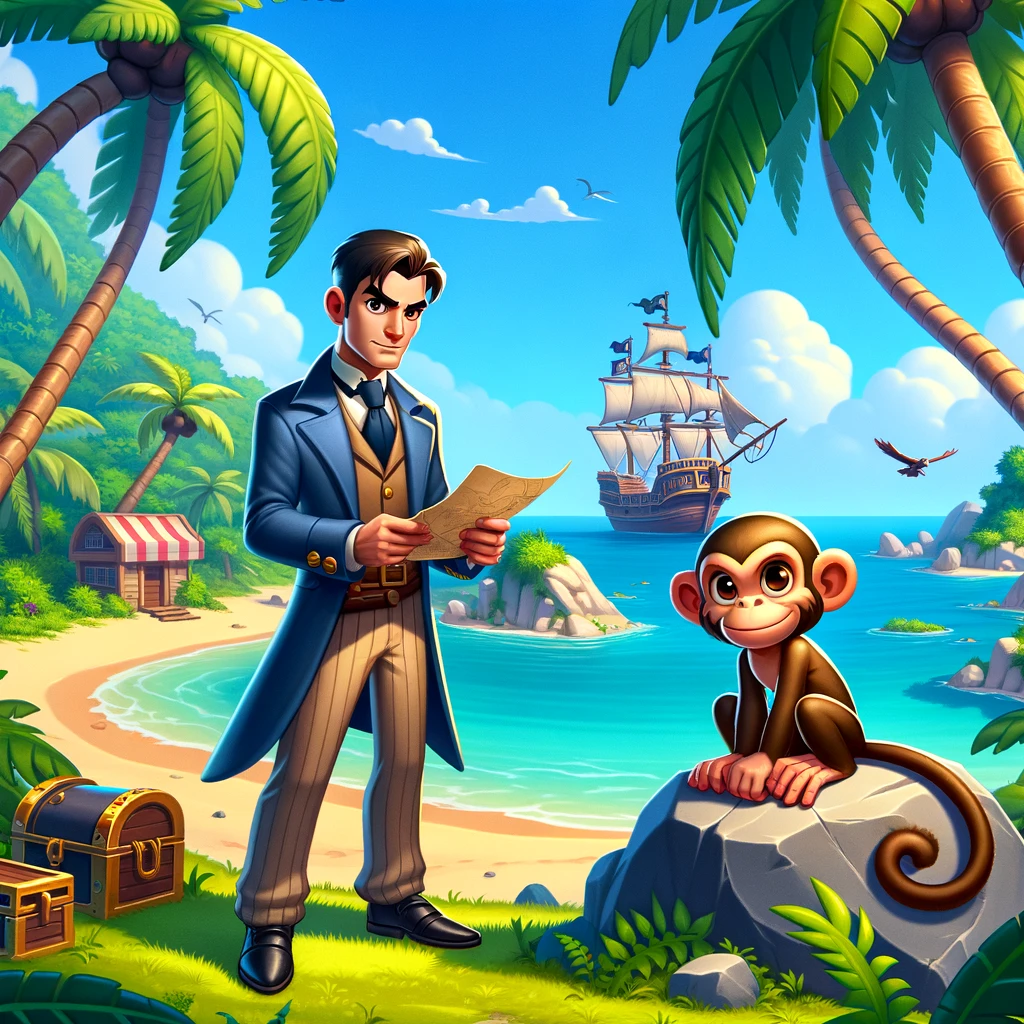
Monkey Island
Graphic adventure games, like Monkey Island, offer plenty of lessons you can carry over into business, especially when it comes to designing strategy. Here are a few:
- Creative problem-solving: In Monkey Island, players have to crack complex puzzles, often with unconventional solutions. That builds creative, lateral thinking, which is essential in business for getting past unexpected roadblocks and finding innovative answers to tough problems.
- Planning and sequencing: Adventure games require players to plan their moves and sequence them correctly to make progress. In the same way, in business it's crucial to design strategies that get the order of actions right to hit your goals, weighing how one move can affect other areas or future projects.
- Learning from mistakes: Monkey Island encourages players to try different approaches and learn from errors without heavy penalties. In a business setting, it's vital to build a culture that not only tolerates mistakes but values the learning that comes from them, so you can keep improving your strategies and processes.
- Narrative and engagement: The compelling story and humor of Monkey Island play a key role in grabbing and holding the player's interest. For companies, that translates into the importance of a coherent, compelling business narrative that can hook both employees and customers, deepening their connection to the brand.
- Understanding your target audience: Just as a game needs to understand its players to be designed well, a company needs a deep read on its market to build strategies that resonate with its target audience. That means understanding their needs, their expectations and how they prefer to interact with the brand.
- Adaptability: Games like Monkey Island often throw in unexpected twists that force players to adapt fast. In business, the ability to adapt to shifting market conditions and adjust your strategies accordingly is fundamental to staying relevant and competitive.
Real-Time Strategy (RTS)

StarCraft II Finals in South Korea 2019
Games like StarCraft and Age of Empires are real-time strategy (RTS) titles, and they offer plenty of lessons that apply to business, especially around strategy, decision-making and resource management. Here are some of those takeaways and how you can put them to work in a company:
- Resource management: In both games, one of the keys to winning is the efficient management of limited resources like food, gold and wood. That maps directly onto running a business, where financial, human and material resources have to be allocated strategically to maximize efficiency and productivity.
- Strategic planning: StarCraft and Age of Empires require players to plan their moves both short and long term. In business, the ability to build strategies that account for immediate and future goals is crucial for sustained success.
- Adaptability: RTS games demand fast adaptation to your opponents' moves and a shifting environment. Likewise, companies have to be able to adapt quickly to changing markets, technology and regulations to stay competitive.
- Decision-making under pressure: These games often put players in spots where they have to make critical calls under time pressure. That skill is invaluable in business, where quick, well-informed decisions can be the difference between success and failure.
- Competitive analysis: In both StarCraft and Age of Empires, players have to understand and anticipate their opponents' strategies to counter them effectively. In business, reading the competition and anticipating their moves can give you a serious strategic edge.
- Leadership and team coordination: Even though they're mostly single-player, there are team modes that require effective coordination between players. That connects to managing teams in a company, where effective leadership and coordination are fundamental to hitting organizational goals.
- Resilience and perseverance: RTS games challenge players to keep going despite the setbacks. That resilience is just as essential in business, where leaders have to hold the line and keep the team's morale up, even in the face of challenges or failures.
Massively Multiplayer Online Role-Playing (MMORPG)
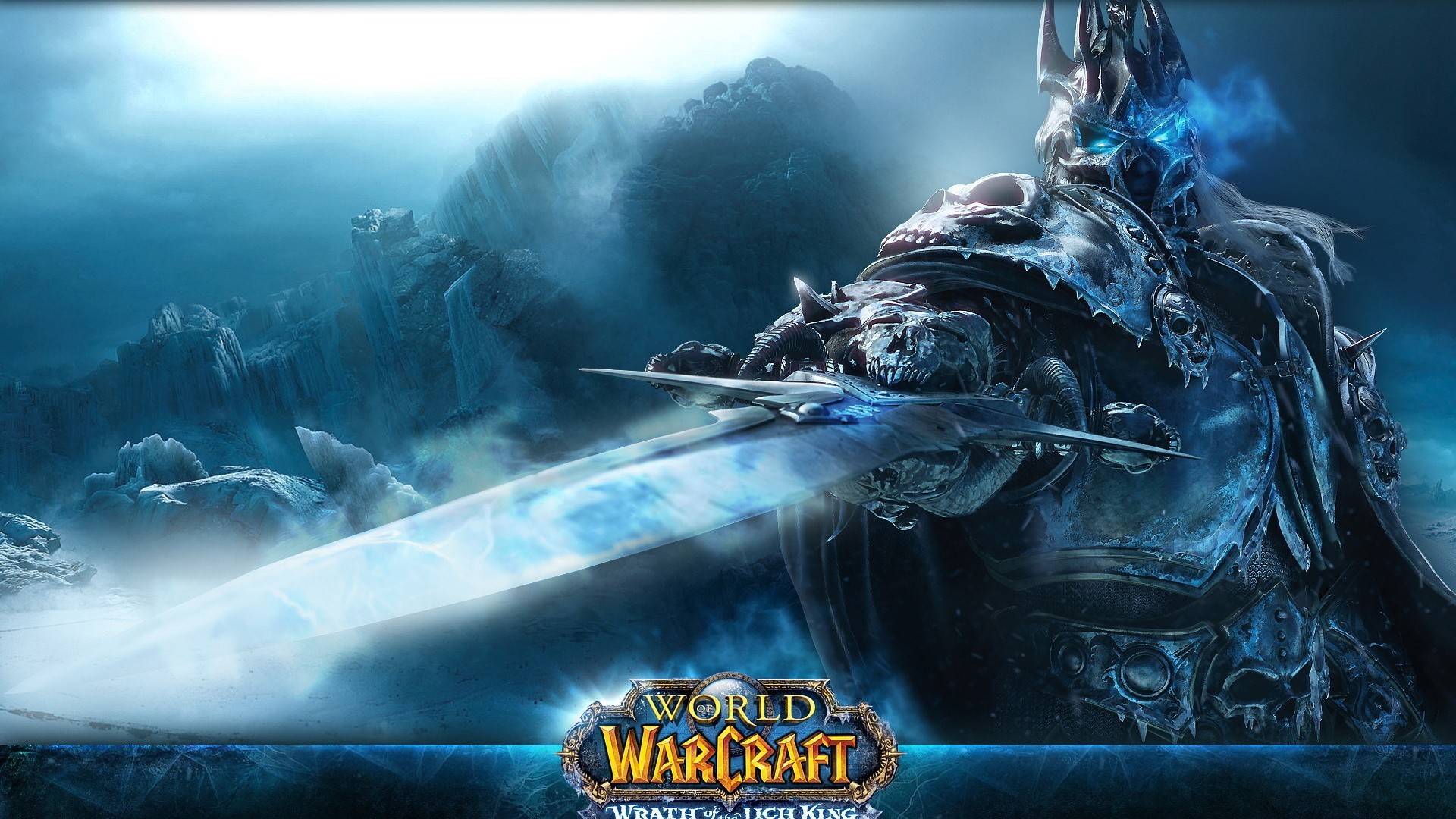
Right when I was starting out at my first multinational (nearly two decades ago now), I put serious leisure hours into WoW, even becoming a solid dps as a death knight in raids of 30 / 40-plus players. Beyond the fun (and there was a lot of it), what did I take away? "World of Warcraft" (WoW) is a massively multiplayer online role-playing game (MMORPG) that offers valuable lessons for business, especially around teamwork, leadership and resource management. Here are some lessons you can apply in a company:
- Teamwork and collaboration: WoW is known for its raids and group quests, where players have to work together to reach shared goals. Effective collaboration and coordination are essential, and that carries straight over into business. Companies can build an environment where teamwork is the priority, using clear collaboration and communication strategies to hit organizational goals.
- Distributed leadership: In WoW, raid or group leaders have to steer players toward a common goal, but also delegate and trust each player's skills. That teaches the importance of distributed leadership in a company, where leaders need to know how to delegate tasks, trust their teams and motivate them properly to optimize productivity and engagement.
- Resource management and strategic planning: Handling resources like gold, artifacts and special abilities in WoW takes planning and strategy. In the same way, a company has to manage its available resources efficiently, things like capital, human talent and material assets, making sure they're used optimally to hit business targets. (Toward my commodities trading 😉)
- Adaptability and continuous learning: WoW is constantly updated with new content and challenges that force players to adapt their strategies and learn new skills. In the same way, in today's fast-moving business environment, it's fundamental for companies and their people to stay adaptable and committed to continuous learning to stay competitive.
5. Diversity and inclusion: In WoW, the diversity of characters and abilities shows how important it is to bring together different talents and perspectives to take on complex challenges. That applies in a company, where building an inclusive environment that values diversity can lead to more creative and effective solutions.
****
Multiplayer Online Battle Arena (MOBA)
"League of Legends" (LoL), a highly competitive team-strategy game, offers plenty of lessons you can carry over into leadership and strategy-building in business. Here's how this game can serve as inspiration for corporate leaders and strategists:
- Effective teamwork: In LoL, success comes down to the ability to work as a team. Every player has a specific role that's crucial to the group's performance. In the same way, in a company it's fundamental that each member understands their role and how their work contributes to the team's overall success. Building an environment where collaboration and communication are pillars can significantly improve efficiency and the work climate.
- Adaptability and strategic flexibility: LoL matches are dynamic, and teams have to constantly adapt their strategies in response to the other team's moves. That ability to adapt is just as valuable in business, where market conditions and the competition's moves demand that strategies stay flexible and adjust fast.
- Decision-making under pressure: LoL demands fast decisions under pressure, a crucial skill for business leaders, especially in critical situations. Training yourself to make informed, effective decisions in short windows can be a real differentiator when handling a crisis or a sudden business opportunity.
- Leadership and managing diversity: Just like in LoL, where team leaders guide players with different skills and play styles, in a company it's important to know how to lead diverse teams. The ability to manage and leverage a diversity of skills and perspectives can enrich your business strategies and improve problem-solving.
- Strategy and forward planning: Winning in LoL doesn't just depend on individual skill, it also comes down to the planning and strategy before each match. In business, strategic planning and foresight are essential to get ahead of market shifts, manage resources effectively and position the company for long-term success.
- Analysis and continuous improvement: LoL players constantly review their matches to get better. That practice of constant review and improvement applies to running a business, where it's crucial to assess your processes, strategies and performance to spot areas to improve and adjust your tactics accordingly.
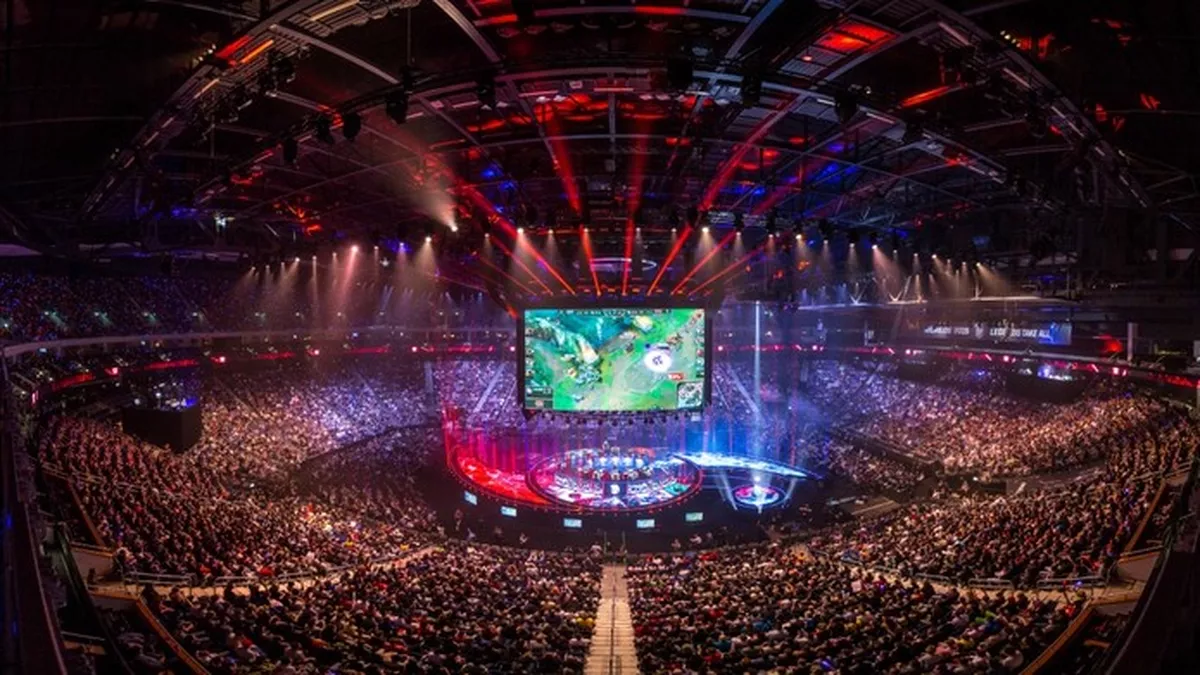
League of Legends World Championship
(For anyone curious, my intensity with LoL is pretty low these days and, sadly, I never got past bronze, with a peak of gold a couple of seasons back at best).
This video is old (2010), but its visionary angle is fascinating watching it today, and why not, it makes me think about where I was at that moment 😊
( Jane McGonigal , thanks for the great talk)
KEY POINTS (Epic Wins):
- Educational Potential: Jane McGonigal highlights how video games can develop crucial skills like problem-solving and collaboration.
- Practical Application: She discusses the possibility of using video games to tackle and solve real-world problems.
- Positive Impact: She argues that well-designed video games have the potential to drive meaningful, positive change in society.